How the red carpet dress was made from waste materials
How the red carpet dress was made from waste materials
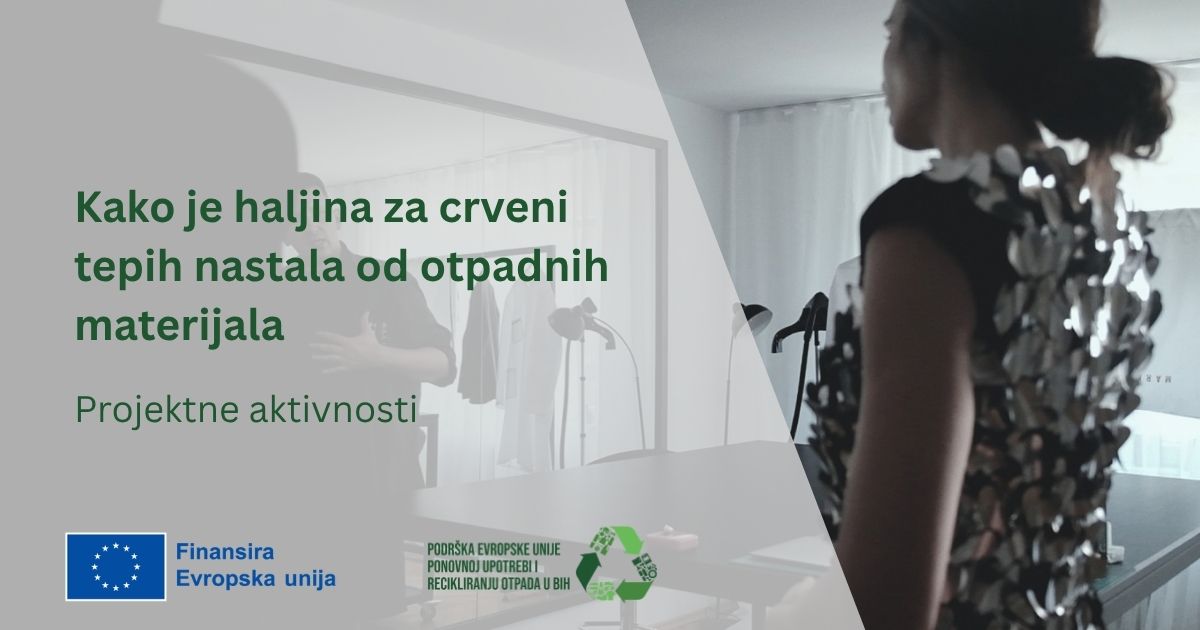
When model Sarah Čerkez appeared on the Sarajevo Film Festival red carpet in a dress designed by Marko Feher, its shimmering surface told only part of the story. The dress began with material destined for disposal.
Created by CETAP in partnership with Eterna and Feher for the “Let’s adopt new habits. Let’s use waste!” campaign, the project turned waste textiles into a striking example of what thoughtful design and skilled work can achieve.
Behind the dress
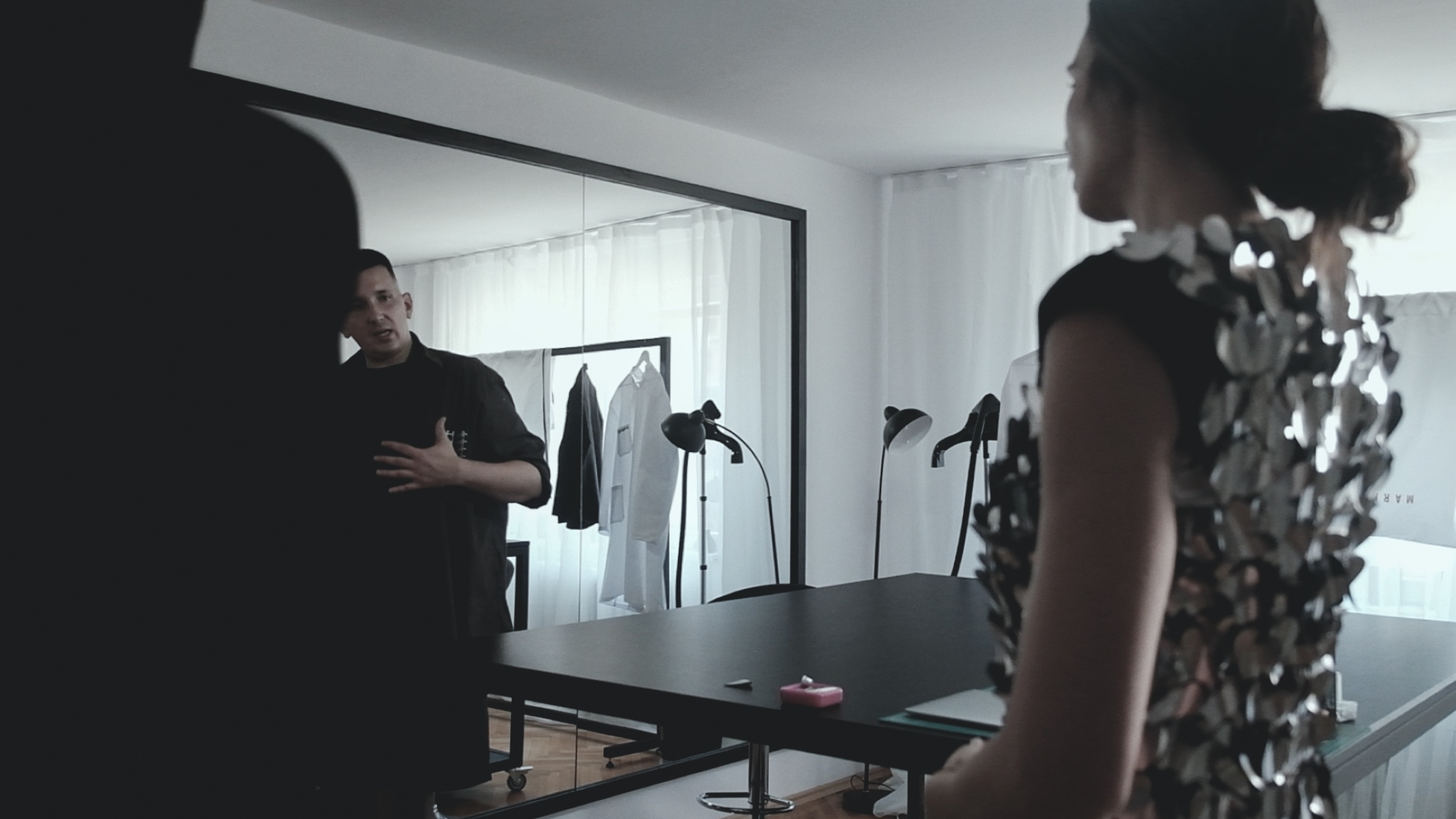
The team started with around two and a half metres of discarded material. From it, they laser cut approximately 2,000 heart-shaped pieces. Each heart was soaked for several days to remove a damaged surface layer, then cleaned individually by hand.
Turning those pieces into a dress brought another challenge: they needed to move naturally with the wearer. Marko’s team worked through the construction, adding thousands of hand stitches and incorporating red thread into the design. The lower part of the dress was made from deadstock tulle—fabric left unused by the textile industry.
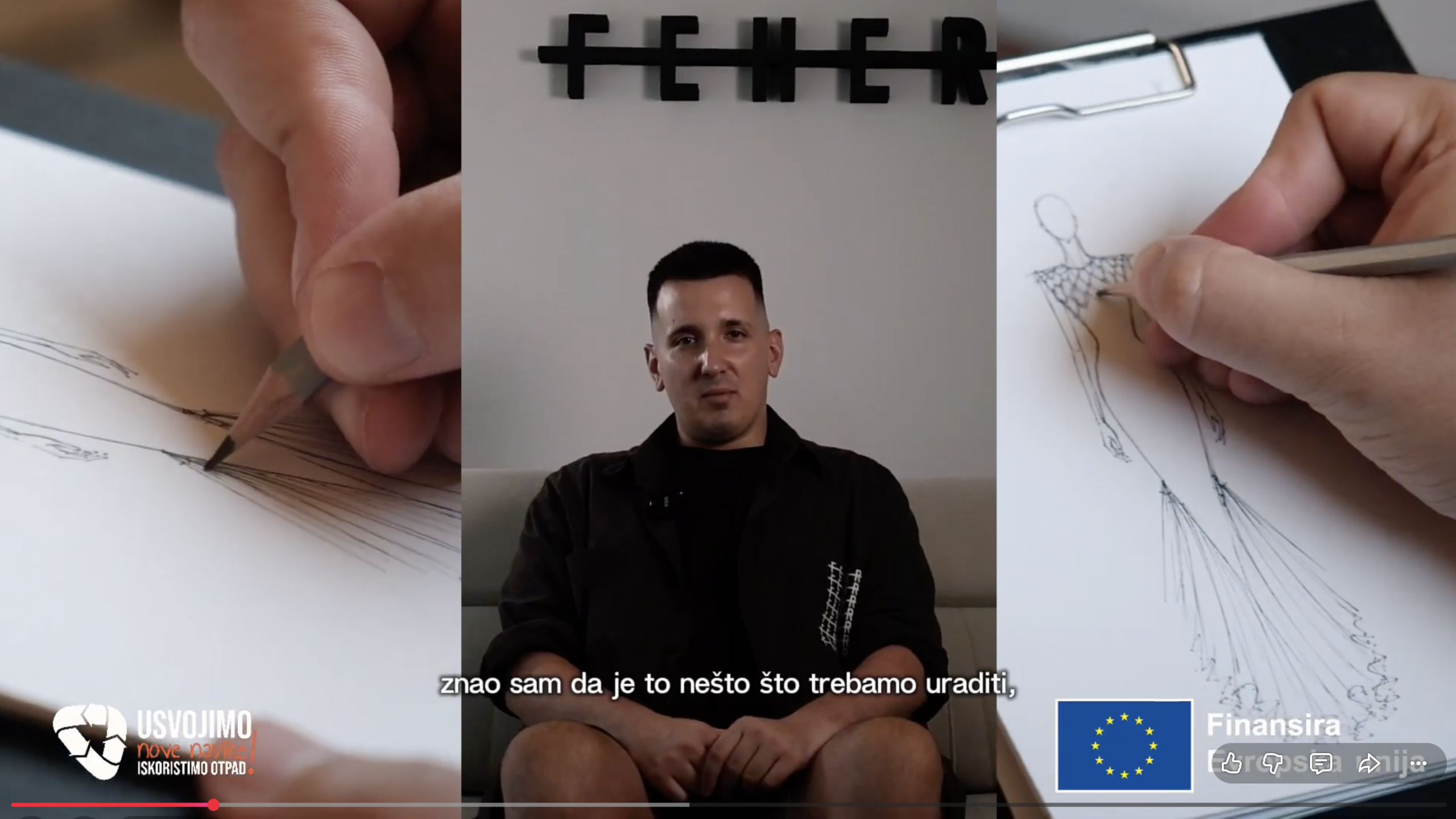
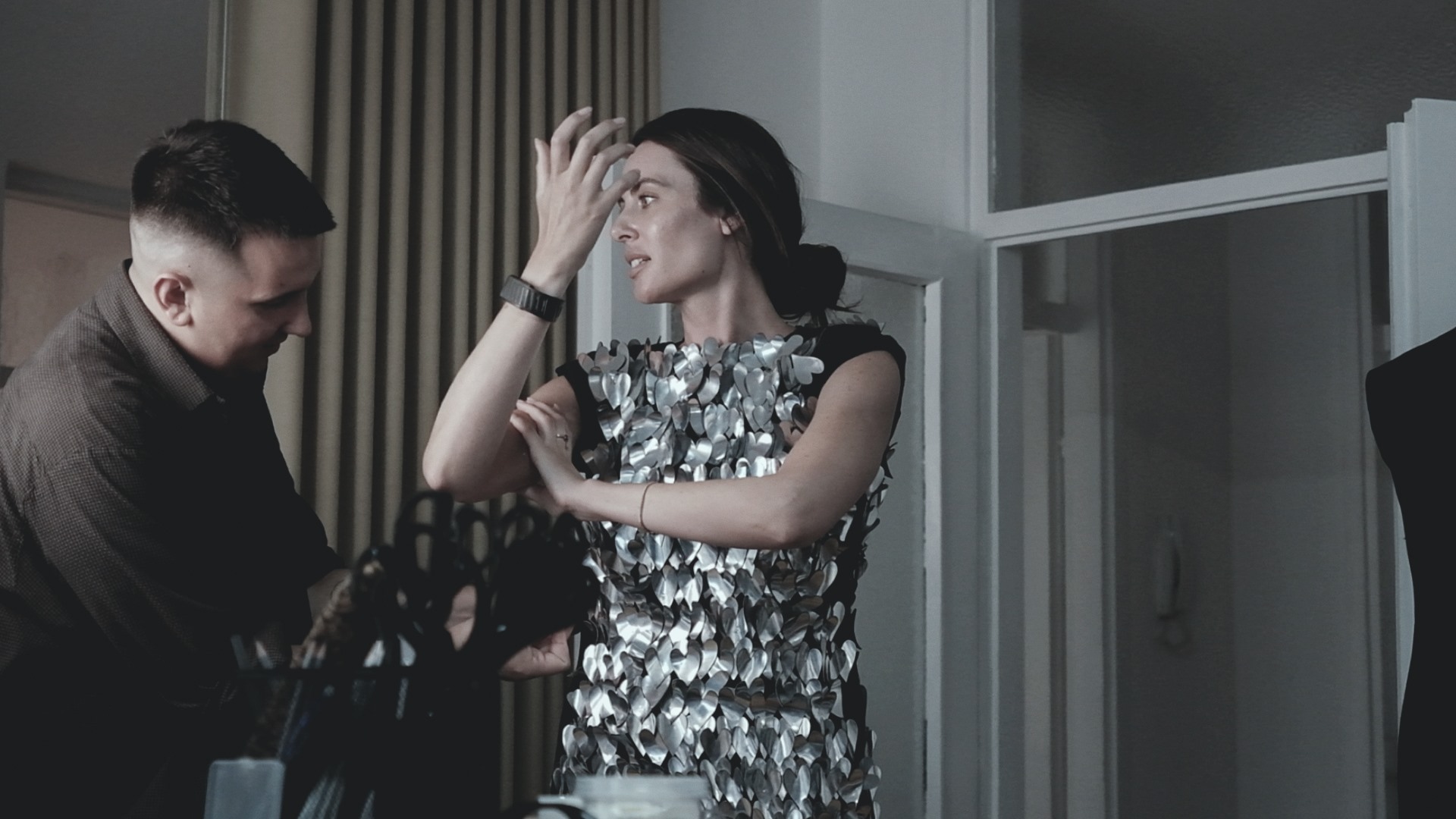
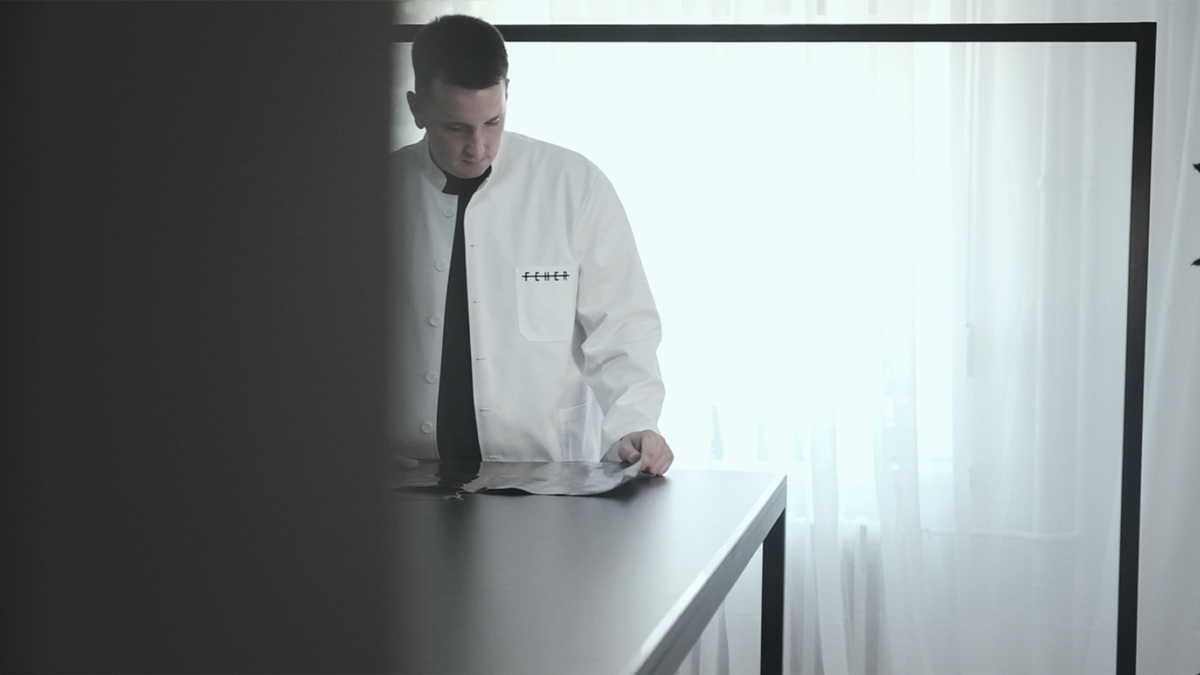
The behind-the-scenes film shows the time this took: careful cleaning, sewing, pressing, fittings and adjustments, with the team working late to bring the garment together. Every detail seen on the red carpet rested on work done far from it.
Seeing value in what remains
Feher and Eterna set out to make a dress that could stand alongside couture pieces while keeping its discarded origins central to the story. The result gave materials marked as waste a new purpose through design, technical skill and patient craftsmanship.
That is the idea at the heart of CETAP’s campaign. The dress asks us to look again at materials we might otherwise throw away—and to consider what becomes possible when we adopt new habits and use waste.
Watch the video to see how the dress came to life from waste materials.

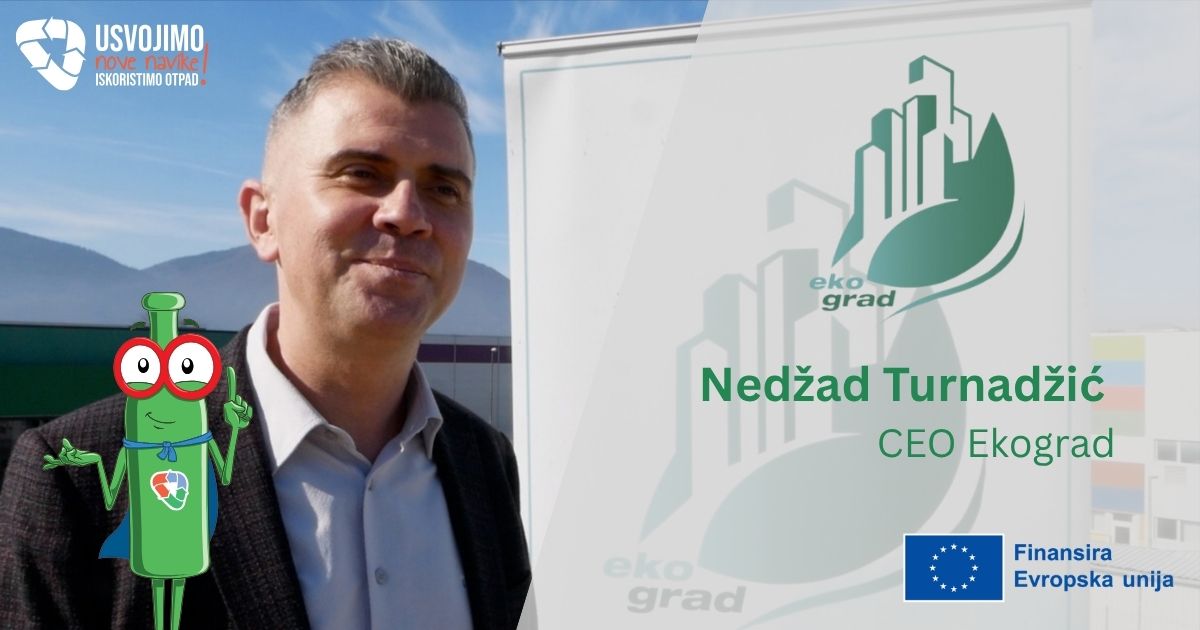
From bottles to new habits: the story behind BiH’s reciklomat machines
From bottles to new habits: the story behind BiH’s reciklomat machines
What happens when recycling becomes something people can do on their way through their city, with a clear benefit for taking part? In Bosnia and Herzegovina, Ekograd’s reciklomat machines offer one answer. Three years after introducing its smart reverse vending machines, the company says they have registered approximately 20 million returned bottles.
In an interview about the project, Nedžad Turnadžić, CEO of Ekograd, explains that the machines began with an ambition to protect the environment and improve the places people share. With no deposit return system in BiH, the company developed its own way to reward people for returning used packaging through a range of benefits.
The response, Nedžad says, was strong from the outset and has continued. The registered total covers containers recognised by the machines. Ekograd believes the actual number returned may be higher, as some people deposit items without selecting a benefit. The machines collect plastic, glass and aluminium packaging, helping to keep valuable material in circulation.
A new habit starts young
For Ekograd, one of the most encouraging results is about more than volume. The representative describes nursery and school groups visiting the machines regularly, sometimes arriving together by bus or minibus. Teachers use the visits to explain recycling, show children how the reciklomats work and make the activity part of a lesson.
Children can see the link between an item they have used and the action of returning it. In the interview, Ekograd identifies this younger generation as central to the project’s purpose. The company also describes users of many ages, from pupils to pensioners, taking part.
Partnership makes the system work
Ekograd describes Sarajevo’s public utility company RAD as a strategic partner from the beginning. The interview acknowledges that practical cooperation takes time, while emphasising how the partners’ different strengths help the project move forward.
The company wants more public institutions, businesses and other partners to join it so that returning packaging becomes convenient for more people. It says its machines are technically ready to support a future deposit return system, in which people would receive money for eligible packaging, once the necessary legal framework is in place.
Ekograd is also considering ways to process collected plastic and make products from recycled material. Those remain ambitions for the future.
A practical example of circular change
The reciklomat story illustrates the aim of CETAP’s public awareness campaign, “Let’s adopt new habits! Let’s use waste!” The machines give people a practical way to act on that message. Ekograd’s reported collection total points to participation at scale, while the school visits show how returning packaging can also become a lesson that children carry home.
Ekograd’s wider hope is for recycling to become a normal responsibility, supported by collection points people can readily use. Its experience over three years suggests that people will take part when given the opportunity.
The approximately 20 million figure is Ekograd’s estimate of containers registered by its machines, as stated in the interview.
Watch the Interview below:
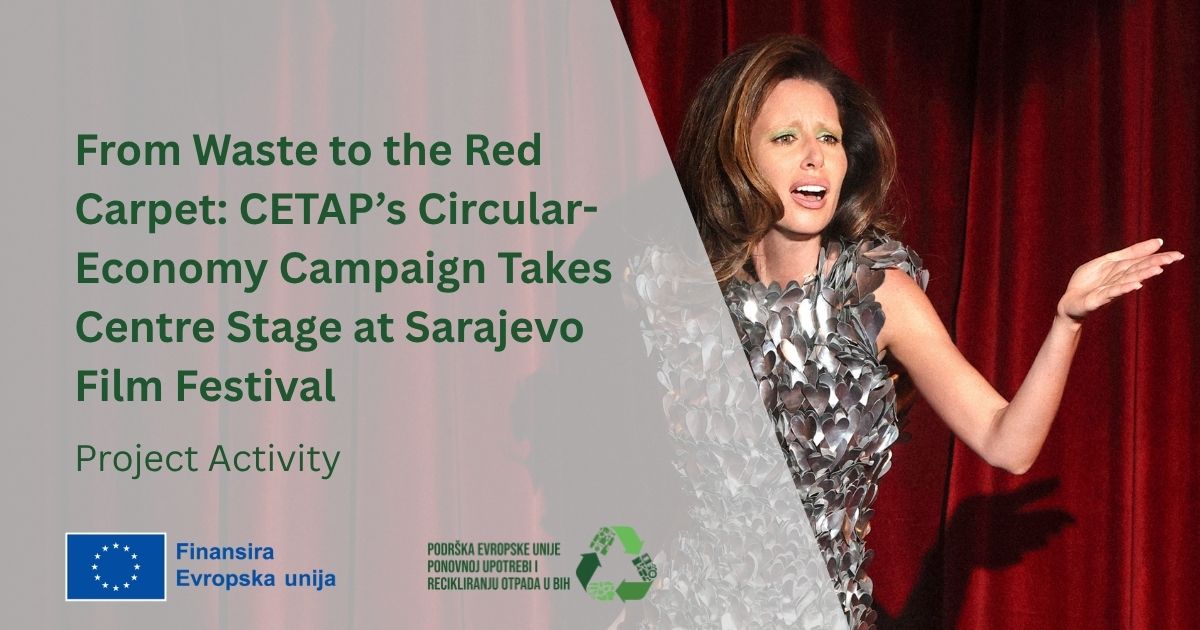
From Waste to the Red Carpet: CETAP’s Circular-Economy Campaign Takes Centre Stage at Sarajevo Film Festival
As part of CETAP’s public-awareness campaign, “Let’s adopt new habits. Let’s use waste.”, a material destined for disposal was transformed into a couture dress and showcased on one of Bosnia and Herzegovina’s most prominent cultural stages: the Sarajevo Film Festival.
Worn on the red carpet by model Sarah Čerkez, the striking creation by designer Marko Feher, produced in collaboration with Eterna, demonstrated a central message of CETAP’s campaign: what we perceive as waste can still have value.
Turning the campaign message into something tangible
The “Let’s adopt new habits. Let’s use waste.” campaign aims to encourage people across Bosnia and Herzegovina to reconsider their relationship with waste. Instead of viewing discarded materials solely as something to be thrown away, the campaign promotes reuse, recycling and more responsible consumption.
For this initiative, the campaign message was brought to life through fashion and design.
As featured on Vogue Adria, approximately two and a half metres of damaged faux leather had originally been destined for disposal. Rather than allowing the material to become waste, it was laser-cut into around 2,000 individual heart-shaped pieces.
The pieces were carefully positioned to make maximum use of the available surface before being assembled into the dress’s intricate metallic bodice. The finished creation combined these repurposed elements with a dramatic black skirt, transforming a damaged material into a distinctive couture garment.
Presented on the Sarajevo Film Festival red carpet, the dress became more than a fashion statement. It offered a highly visible example of how creativity and innovation can change our perception of waste.
Waste can become a resource
In a linear economy, materials are produced, used and then discarded. Products that are damaged, left over or no longer suitable for their original purpose can quickly be classified as waste, even when they retain the potential to be used again.
The CETAP campaign encourages a different way of thinking. Before throwing something away, we should ask whether it can be repaired, reused, recycled or transformed into something new.
The dress worn by Sarah Čerkez illustrates this shift in perspective. The damaged faux leather did not need to be returned to its original purpose to retain value. Through imaginative design and precise production techniques, it was given an entirely new function.
While one dress cannot resolve the wider environmental challenges associated with waste or the fashion industry, it can communicate an important principle: materials do not necessarily lose their value simply because they are no longer suitable for their first intended use.
Using creativity to inspire new habits
The transition to a circular economy requires more than new legislation, technologies and waste-management infrastructure. It also depends on changing everyday attitudes and behaviours.
Creative initiatives can make this change feel relevant and achievable. By presenting repurposed waste as part of a couture creation, the project transformed the concept of circularity from an abstract idea into something visible, memorable and inspiring.
Showcasing the dress at Sarajevo Film Festival also enabled the CETAP campaign to reach audiences beyond traditional environmental discussions. It demonstrated that sustainability and creativity can work together—and that reusing existing materials does not have to mean compromising on beauty, quality or ambition.
Instead, limitations can become a source of inspiration. Materials that appear damaged, unwanted or unusable can encourage designers, businesses and individuals to experiment with new techniques and possibilities.
Changing how Bosnia and Herzegovina perceives waste
The “Let’s adopt new habits. Let’s use waste.” campaign supports CETAP’s wider work to encourage more sustainable waste practices and advance Bosnia and Herzegovina’s transition towards a circular economy.
This transition begins with recognising that waste is often a resource in the wrong place. The same principle demonstrated through the Sarajevo Film Festival dress can be applied to packaging, furniture, textiles, construction materials, electrical equipment and many other products used in everyday life.
By keeping materials in use for longer, we can reduce the consumption of new resources, prevent avoidable waste and lessen the pressure placed on our environment.
The transformation of damaged faux leather into a red-carpet couture creation showed what can happen when we look at waste differently. A material destined for disposal became one of the most distinctive designs at Sarajevo Film Festival—and a powerful expression of CETAP’s campaign message.
Let’s adopt new habits. Let’s use waste.




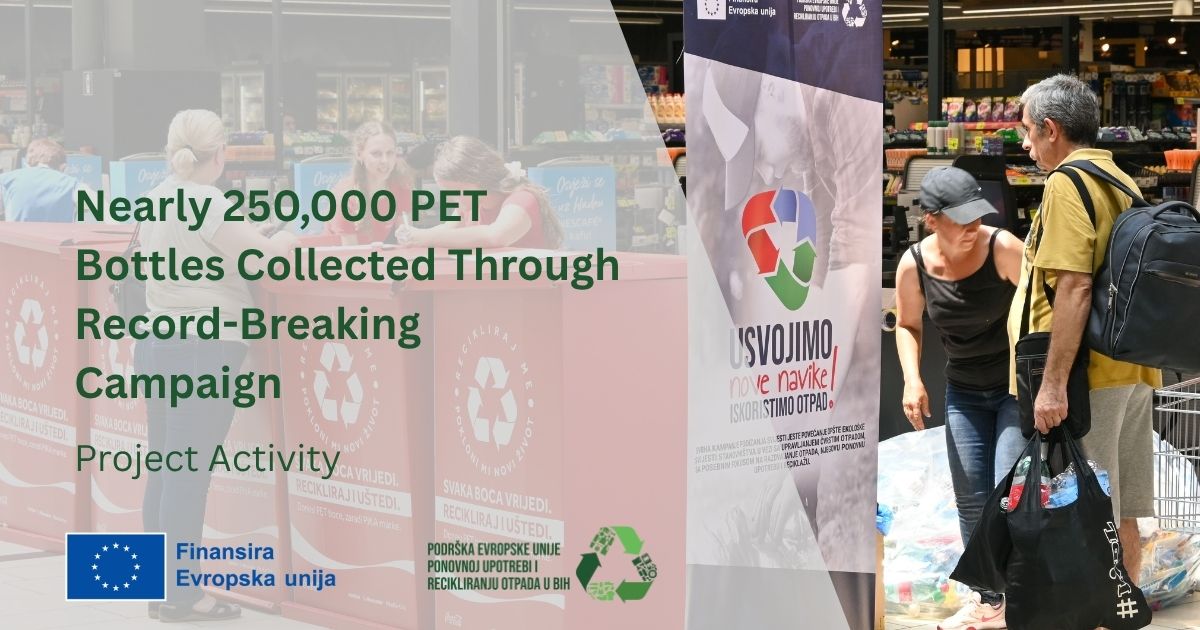
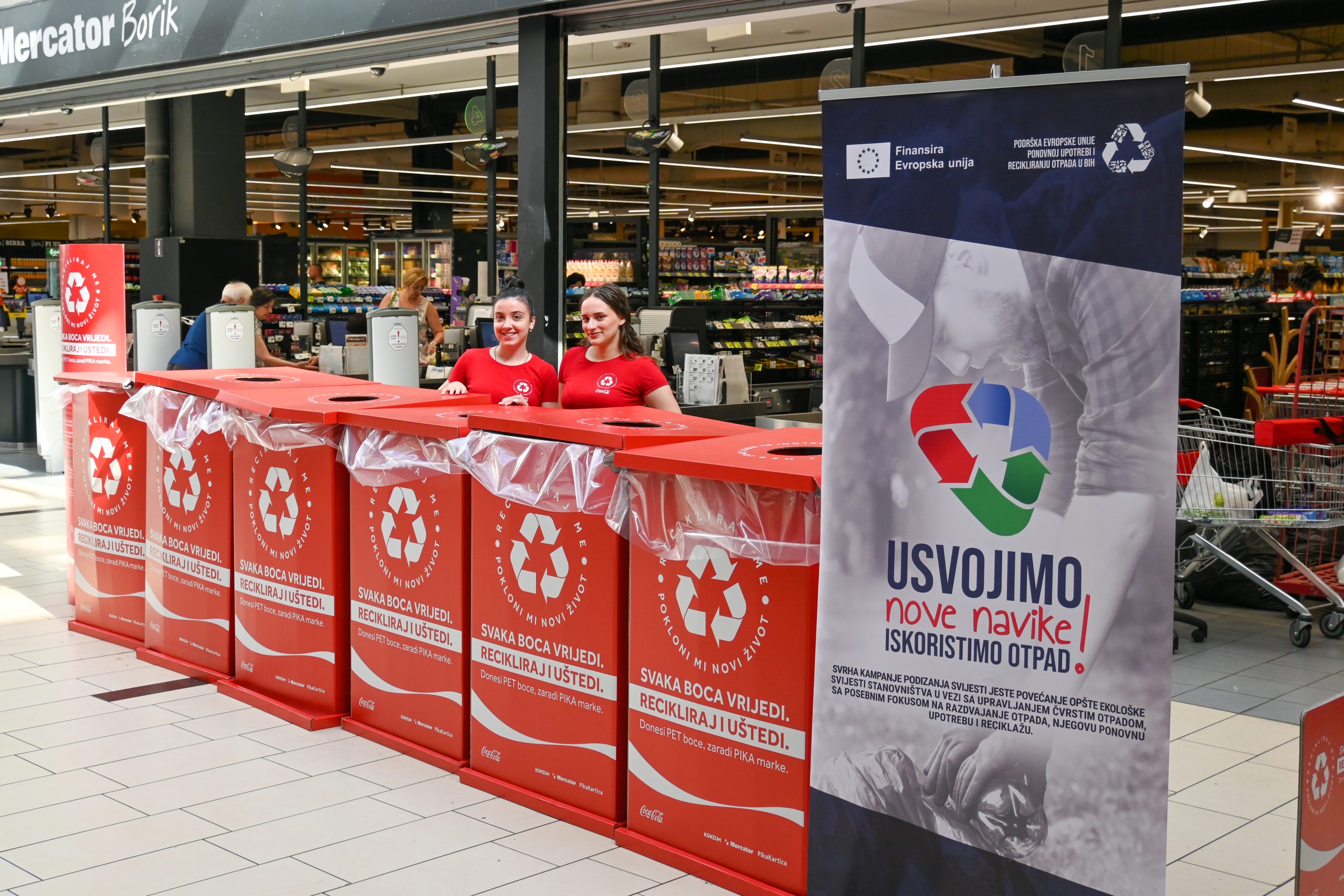
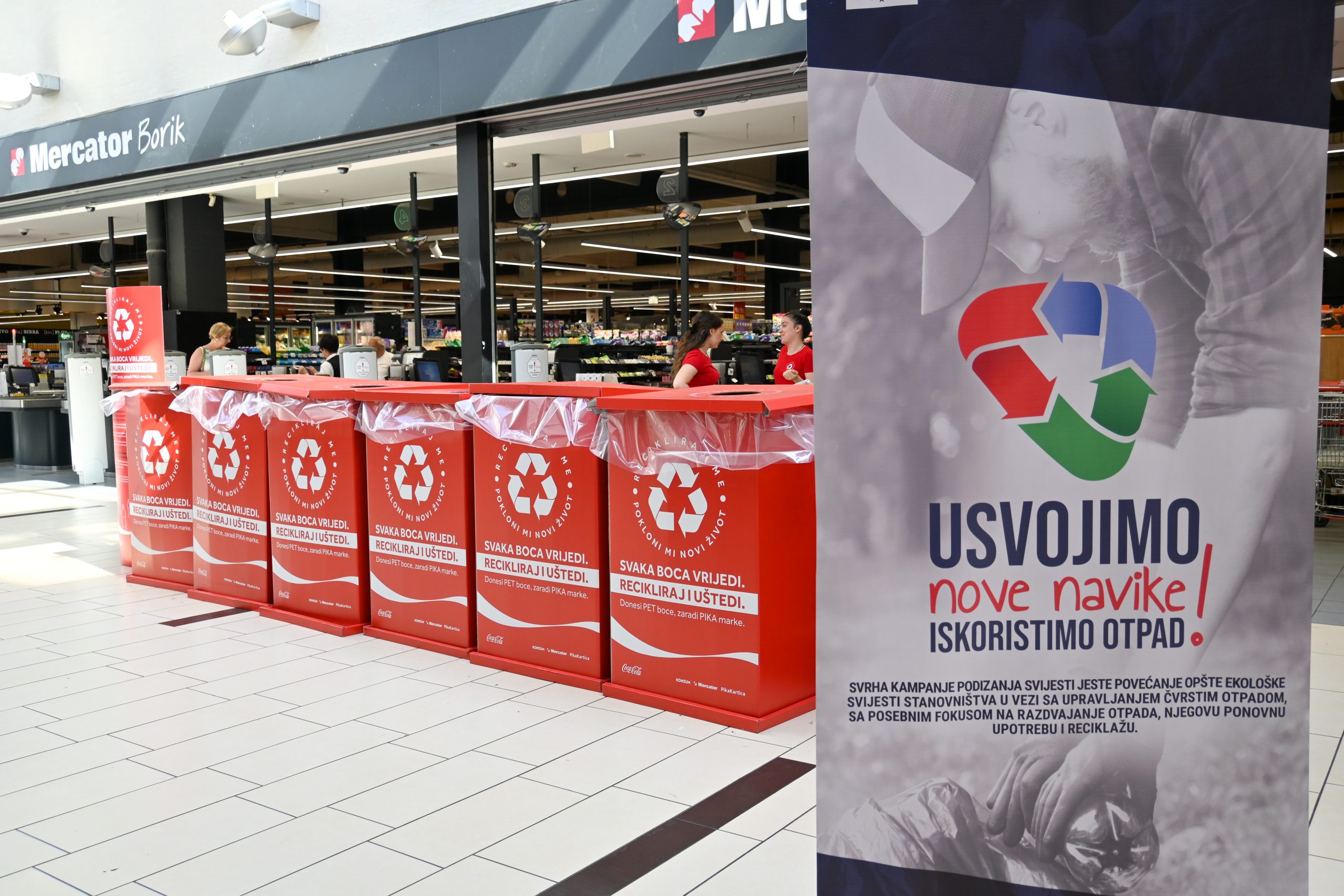
Nearly 250,000 PET Bottles Collected as Citizens Embrace New Recycling Habits
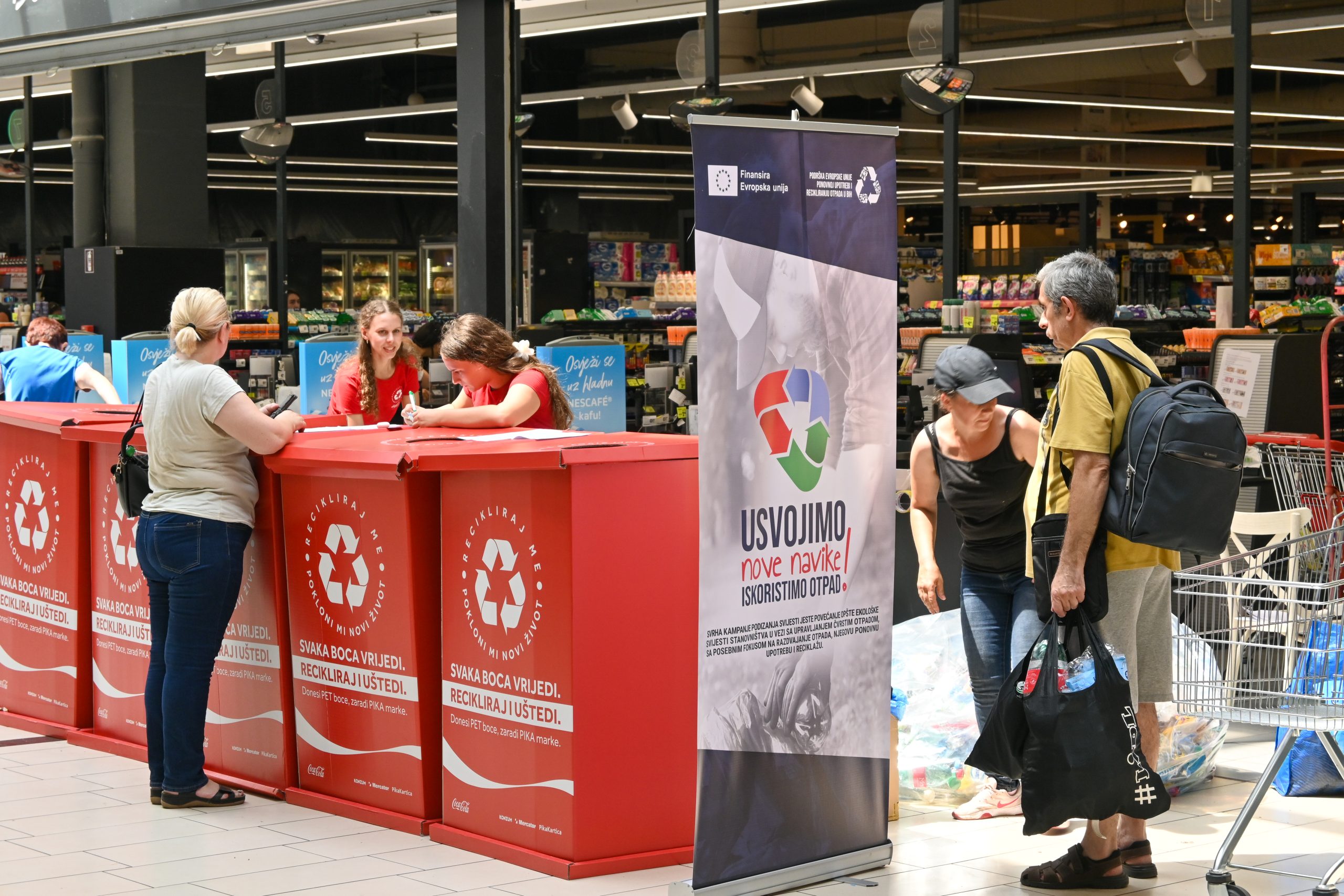
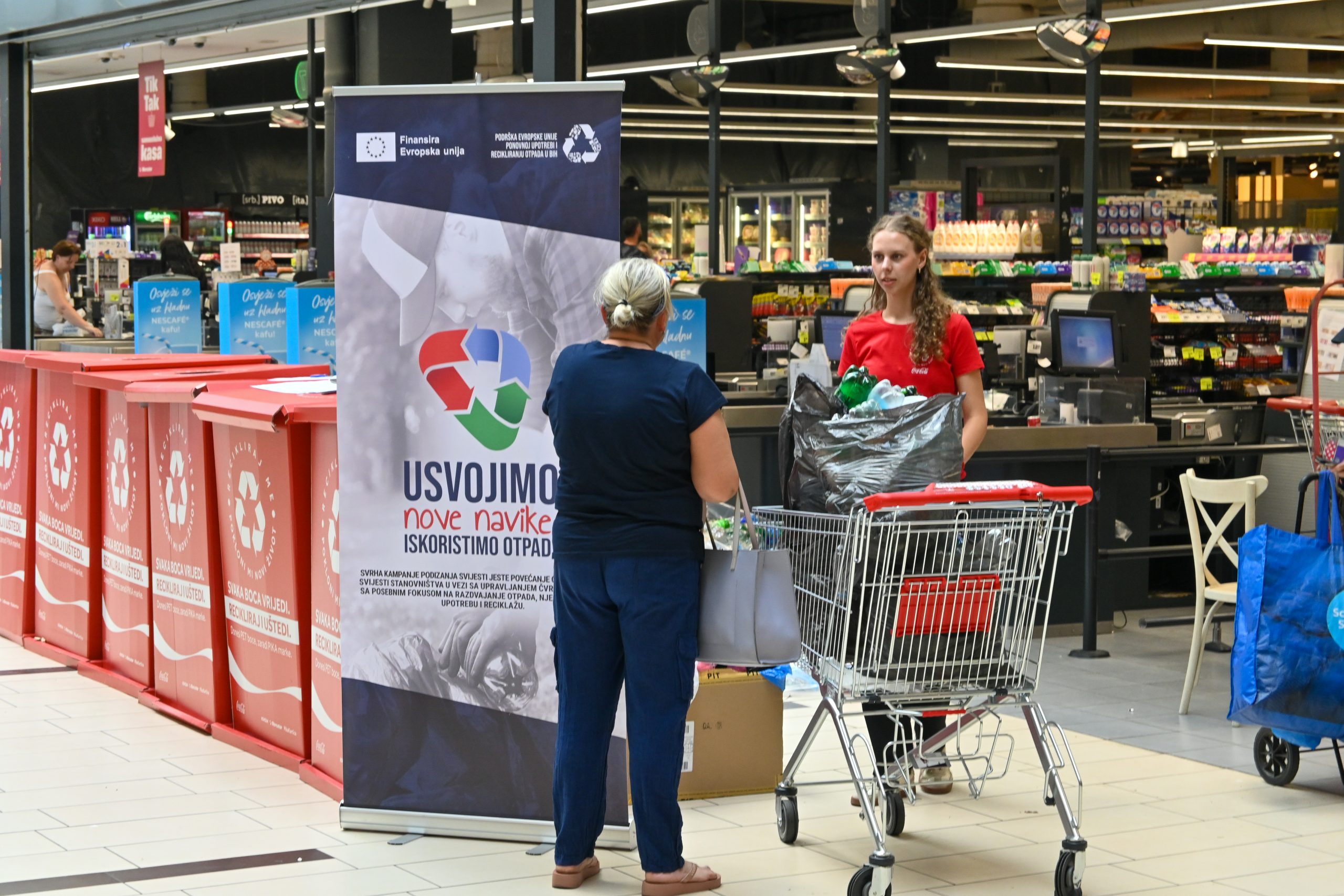
CETAP partnered with Coca-Cola and Konzum to deliver a bottle return scheme in Bosnia and Herzegovina which shows how accessible collection points, practical incentives and strong partnerships can turn awareness into action.
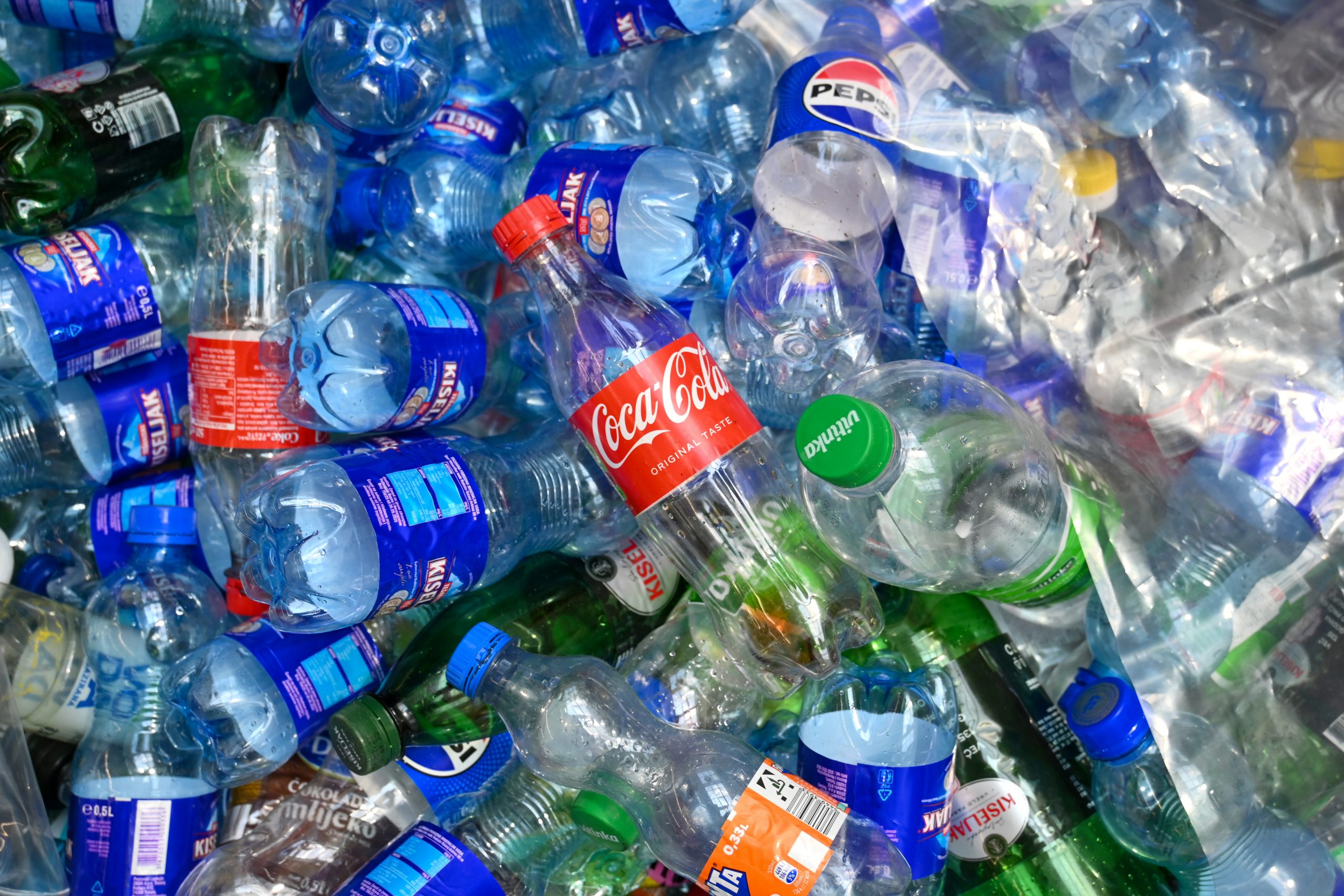
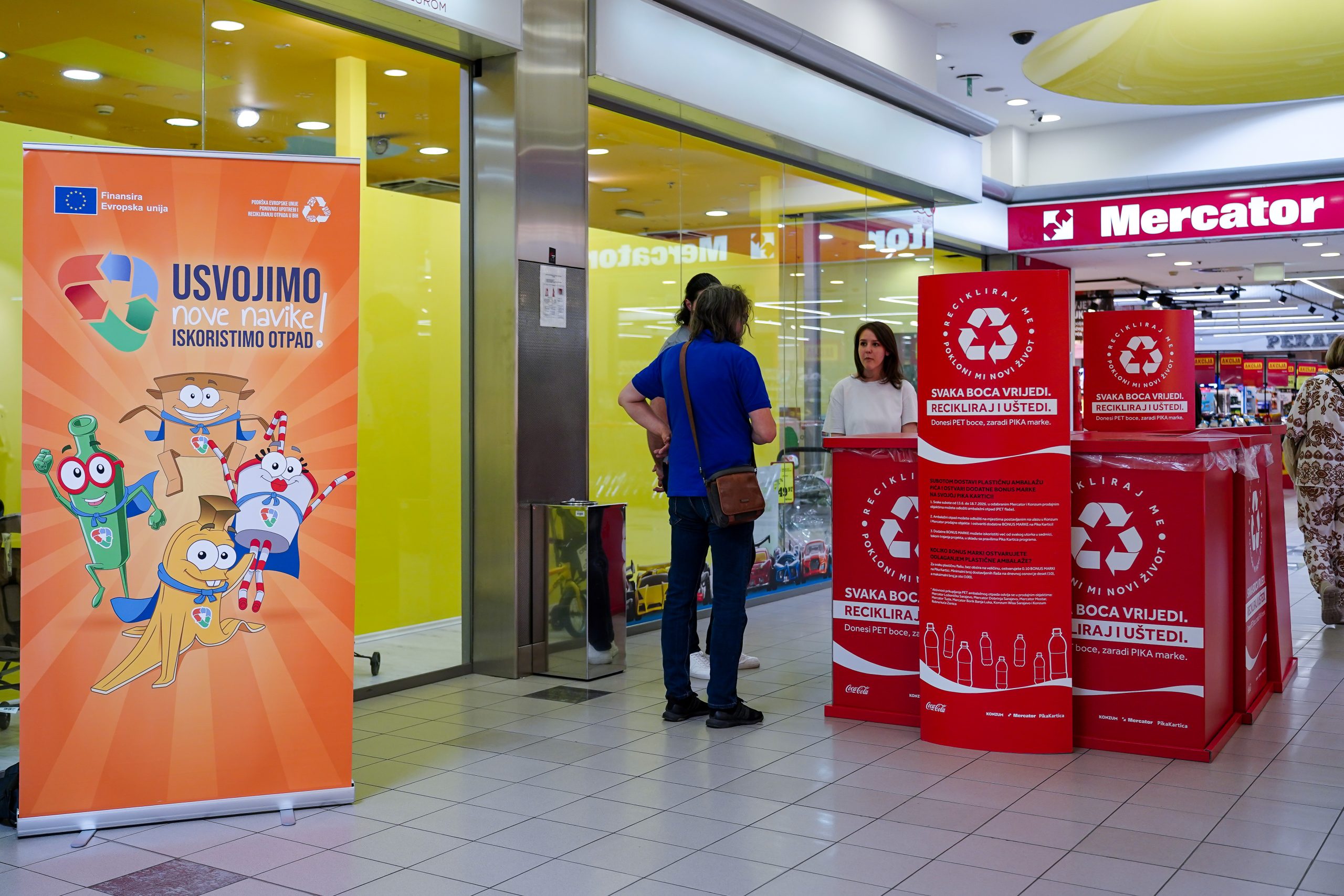
Over six weeks, citizens across five cities returned 249,367 PET bottles and received BAM 24,936.70 in BONUS marks—setting a new record for the initiative.
A record-breaking season for recycling
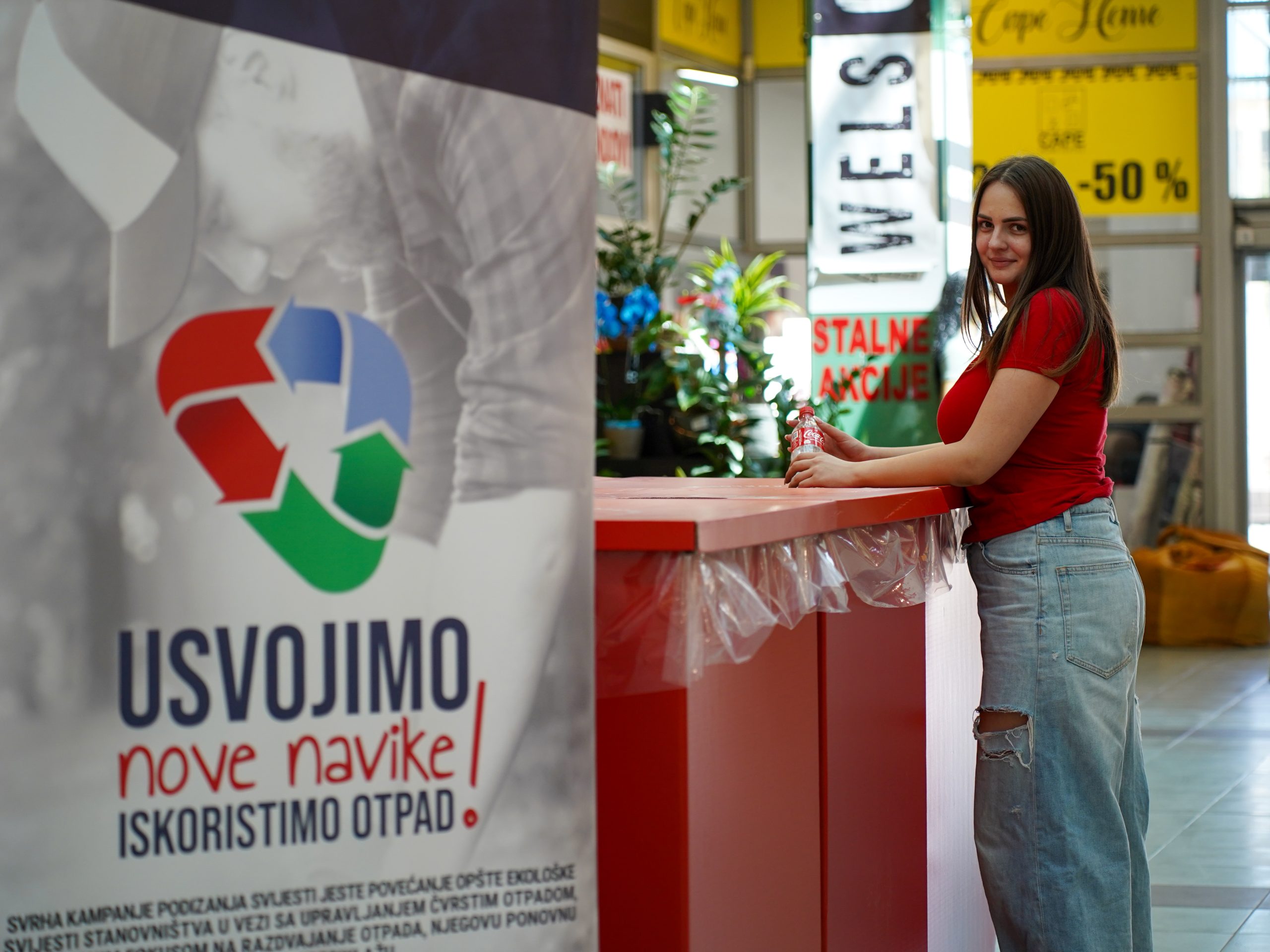
From 13 June to 18 July 2026, citizens deposited PET bottles at seven collection points in Sarajevo, Banja Luka, Tuzla, Zenica and Mostar. This is the fourth addition of Coca-Cola’s “Recycle Me. Give Me a New Life.” Project – and with CETAP’s support – its most successful yet, with almost a quarter of a million bottles collected.
Participants who returned PET packaging at selected Konzum stores received BONUS marks directly on their Pika Cards. By combining convenient collection with a tangible benefit, the campaign helped make environmentally responsible behaviour easier to adopt as part of everyday life.
Why CETAP joined the initiative
This year, CETAP joined Coca-Cola and Konzum as a project partner as part of our ‘Let’s adopt new habits. Let’s use waste!’ campaign. For CETAP, the campaign is a practical example of the circular economy in action: materials are collected separately, processed responsibly and returned to the production cycle instead of being treated as waste.
CETAP—Technical Assistance for Improved Material Recovery from Waste through Separate Collection, Reuse and Recycling Based on Circular Economy Principles—is funded by the European Union. The project supports Bosnia and Herzegovina in improving waste-management practices and aligning them with the European Green Deal and circular economy principles.
The campaign also reflects CETAP’s wider public-awareness message: lasting progress depends not only on infrastructure, but also on giving people the capability, opportunity and motivation to adopt new habits. The record participation achieved this year demonstrates what can happen when all three come together.
Partnership turns participation into impact
All PET packaging collected through the campaign was handled, processed and recycled by project partners Ekopak and Eurobeta in accordance with high recycling standards. This ensured that the material was returned to the production cycle and given a new purpose—an essential step in closing the loop.
“Every bottle collected represents an important step in closing the loop of collecting, processing and reusing packaging. Said Igor Zgrabljić, Director of Corporate Affairs and Sustainability, Coca-Cola HBC Adria
Zgrabljić highlighted the continued year-on-year growth in both the number of bottles collected and the number of participants, describing it as evidence that investment in environmental sustainability and corporate social responsibility is effective. He also thanked the citizens and project partners whose participation made the results possible.
Adisa Zimić, Head of Marketing at Konzum, noted that the results show responsible packaging-waste management becoming part of everyday life for more citizens. She emphasised that small changes in daily behaviour can produce a significant benefit for communities and the environment.
Building momentum for a circular economy
Results from the initiative over the past five years point to growing awareness of recycling in Bosnia and Herzegovina. More people are recognising the value of separating waste and keeping useful materials in circulation.
For CETAP, this record is both a reason to celebrate and a foundation on which to build. Continued cooperation between citizens, businesses, waste-management organisations and public institutions will be essential to make separate collection and recycling more accessible across the country.
Nearly 250,000 returned bottles represent nearly 250,000 individual choices to use waste as a resource. Together, those choices are helping Bosnia and Herzegovina move towards a cleaner, more circular future.
Supporting Doboj’s Youngest Citizens to Separate Waste
Turning environmental awareness into everyday action
As part of wider activities to raise awareness of environmental protection, primary school pupils in Doboj took part in an educational session on separating waste correctly at the point where it is generated.
The pupils were shown, in a clear and practical way, why waste should be disposed of properly and how each person can help create a cleaner and healthier community. By connecting environmental ideas with simple actions that children can apply at school and at home, the session made responsible waste management easier to understand.
Learning what goes where
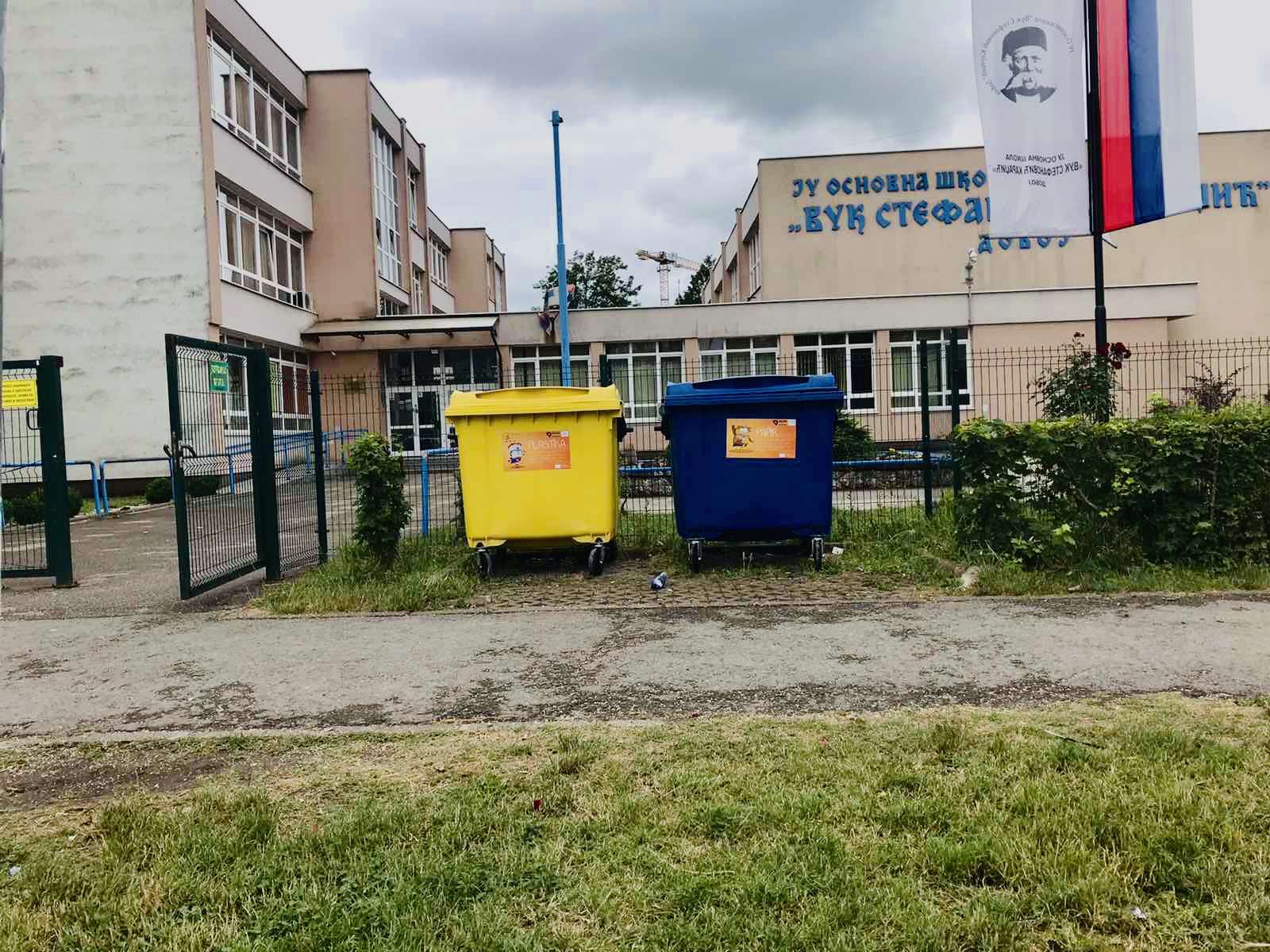
A key focus of the activity was helping pupils recognise the correct containers for common recyclable materials. Paper and cardboard should be placed in the blue container, while plastic should be placed in the yellow container.
Although these instructions are straightforward, learning them early is an important part of building confidence and reducing contamination in separately collected waste. Clear guidance helps children understand that correct separation is not an abstract environmental goal, but a practical habit they can adopt every day.
Building responsible habits from an early age
Educational activities of this kind aim to develop responsible habits among younger generations and strengthen their understanding of why protecting the environment matters. Children can also carry these lessons beyond the classroom, sharing what they have learned with their families and helping good recycling practices become more widely understood.
For CETAP, education is a vital part of the transition to a circular economy. Infrastructure for separate collection is essential, but it must be supported by knowledge: people need to know what can be recycled, how materials should be separated and why keeping resources in circulation is worthwhile.
CETAP support for local environmental education
The activity was delivered by KP “Progres” a.d. Doboj with the support of CETAP—who provided the recycling bins as well as branded stickers to make it clear and appealing which recycling materials go into which bin.
Funded by the European Union, CETAP supports Bosnia and Herzegovina in improving waste-management practices and aligning them with the European Green Deal and circular economy principles. Working with local partners allows the project to translate these wider objectives into practical activities that respond to the needs of individual communities.
By giving children clear information and practical skills, we can help a new generation see waste not simply as something to throw away, but as a resource that can be separated, recovered and used again.
Recycle and win a prize: New competition as motivation to protect the environment of Bosnia and Herzegovina
As part of the CETAP public awareness campaign “Let’s adopt new habits! Let’s use waste!”, a new competition for communities has been launched and is open to all citizens.
The competition lasts from June 1 to December 28, 2026 , and participants have the opportunity to win prizes every week by simply recycling cans, plastic bottles and glass bottles, with publication on social networks.
Three winners are drawn each week – so every recycled item counts.
How to participate?
1. Take your bottles or cans and take them to the nearest green recycling island or packaging return facility.
2. Take a photo before you put them away for recycling.
3. Post the photo to your Facebook or Instagram story.
4. Tag ProjectCETAP on Instagram or CETAP on Facebook and use the hashtag #UsvojimoNoveNavike
And that’s all. Even recycling just one bottle or can earns you participation in the weekly draw.
If you use a Reciklomat (Ekograd) or a TOMRA device – which are part of the RECIRCLE project, financed through the INTERREG IPA IV-A program Croatia – Bosnia and Herzegovina – Montenegro 2021-2027 – feel free to mark the operator of the device you use, as well as the RECIRCLE project.
What can you win?
Every week, three lucky winners will win:
– A branded organic cotton T-shirt
– A canvas bag made from recycled materials
– A CETAP eco-guard plush toy, made locally in Bosnia and Herzegovina
Why is this important?
Every photo you share is much more than an entry into a prize draw. It shows your community that recycling is simple, visible, and worthwhile. Together, we are building a culture of change with small steps and supporting Bosnia and Herzegovina’s journey towards a circular economy.
CETAP cooperates with citizens, schools, businesses and local institutions to make waste reduction, reuse and recycling a part of everyday life. This competition is an invitation for you to be a part of that story.
Learn more and get involved HERE .
Recycle. Share. Inspire. Use #Let’sAdoptNewHabits.
CETAP is a technical assistance project funded by the European Union that supports Bosnia and Herzegovina in transforming its approach to waste management. By promoting separate collection, reuse and recycling, in accordance with the principles of the circular economy, the project contributes to reducing the impact on the environment and opening up new economic opportunities. CETAP also supports the process of Bosnia and Herzegovina’s accession to the European Union by harmonizing domestic waste management practices with the European Green Deal and the circular economy framework, thus laying the foundations for a more sustainable and resource-efficient future.
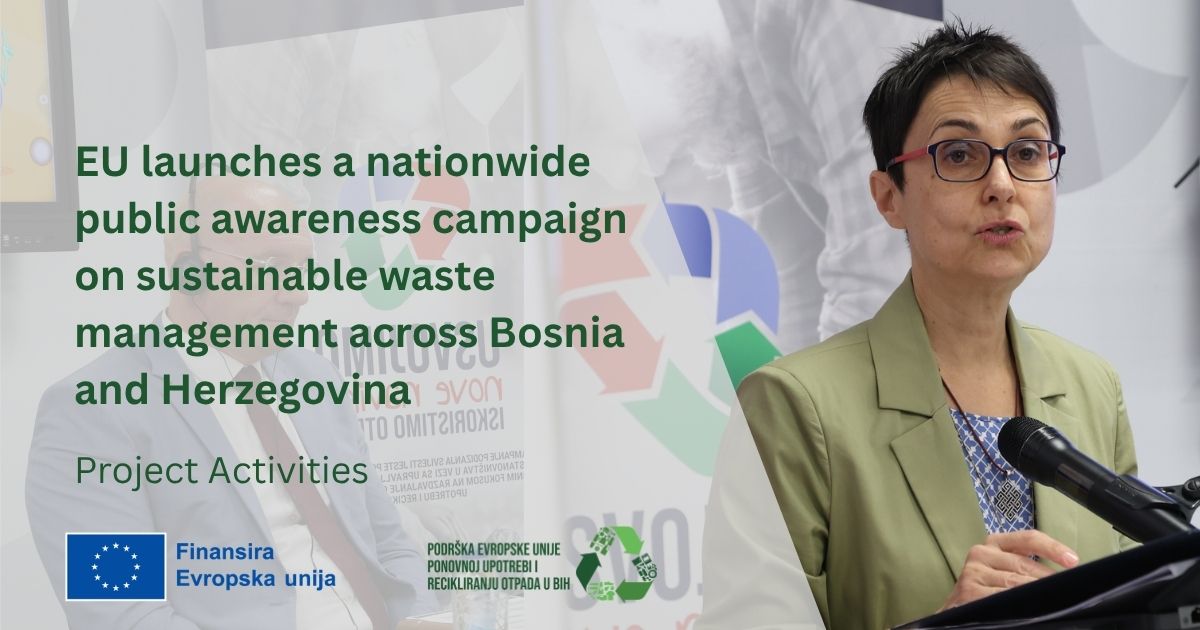
EU launches a nationwide public awareness campaign on sustainable waste management across Bosnia and Herzegovina “Let’s adopt new habits! Let’s use waste!”
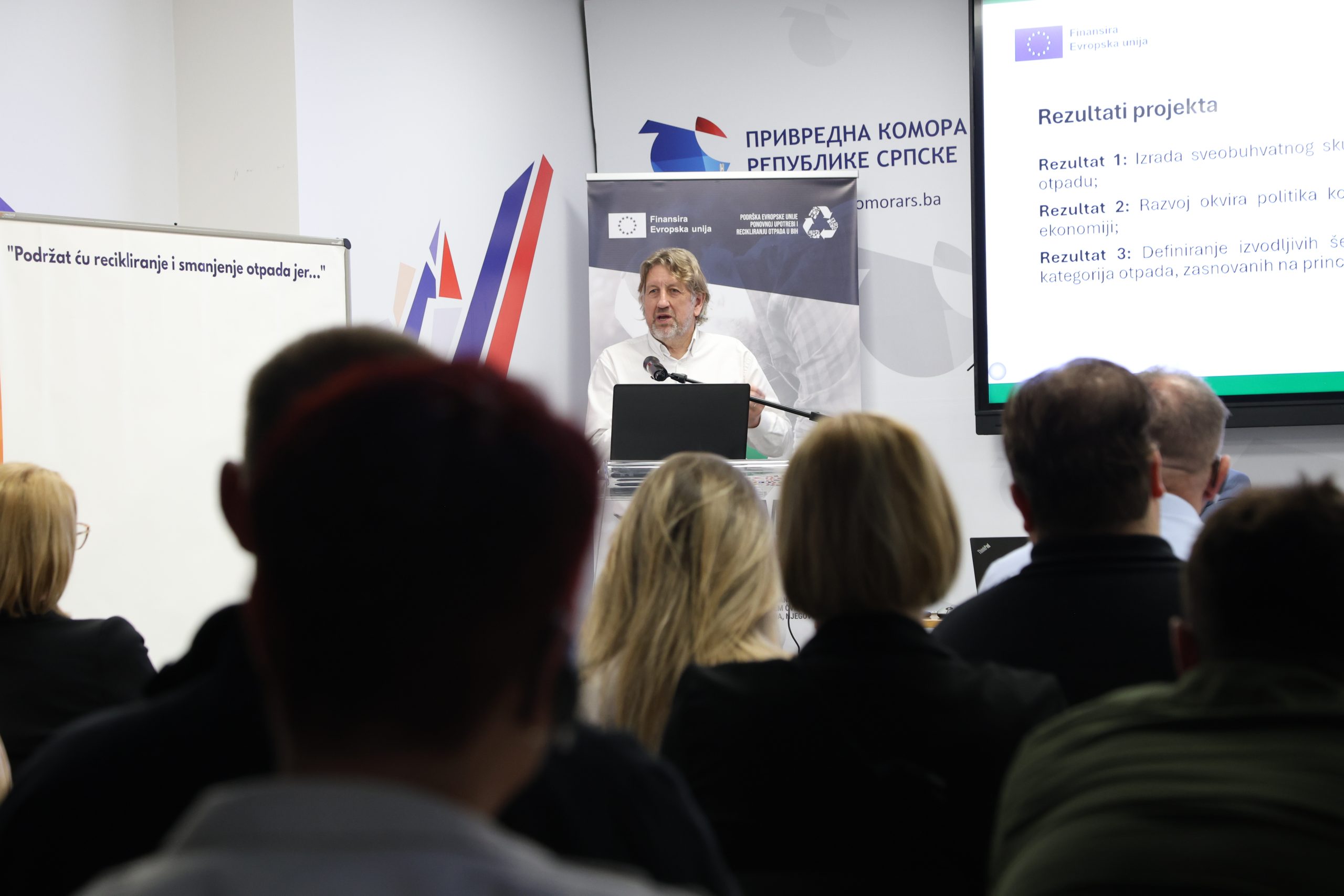
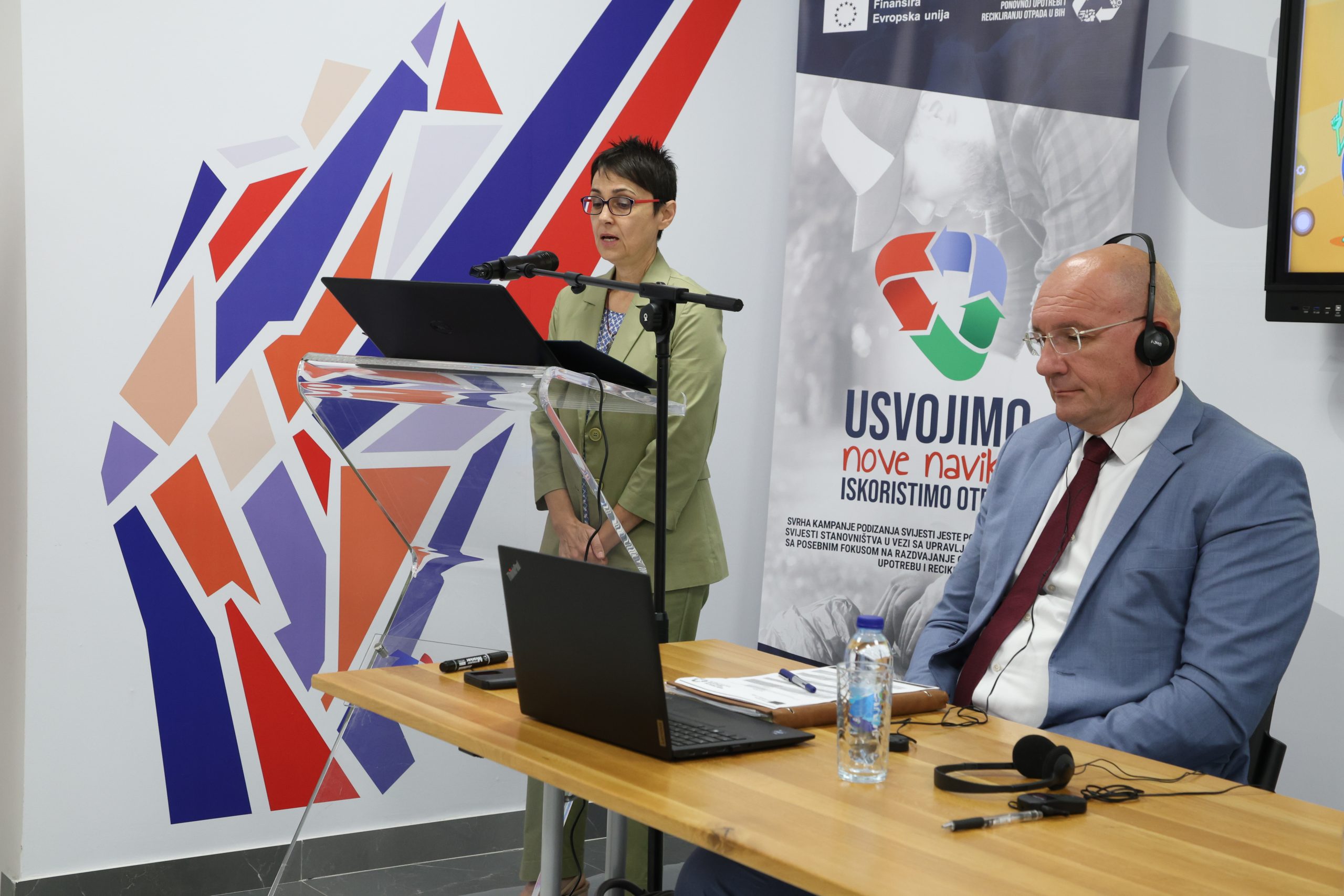
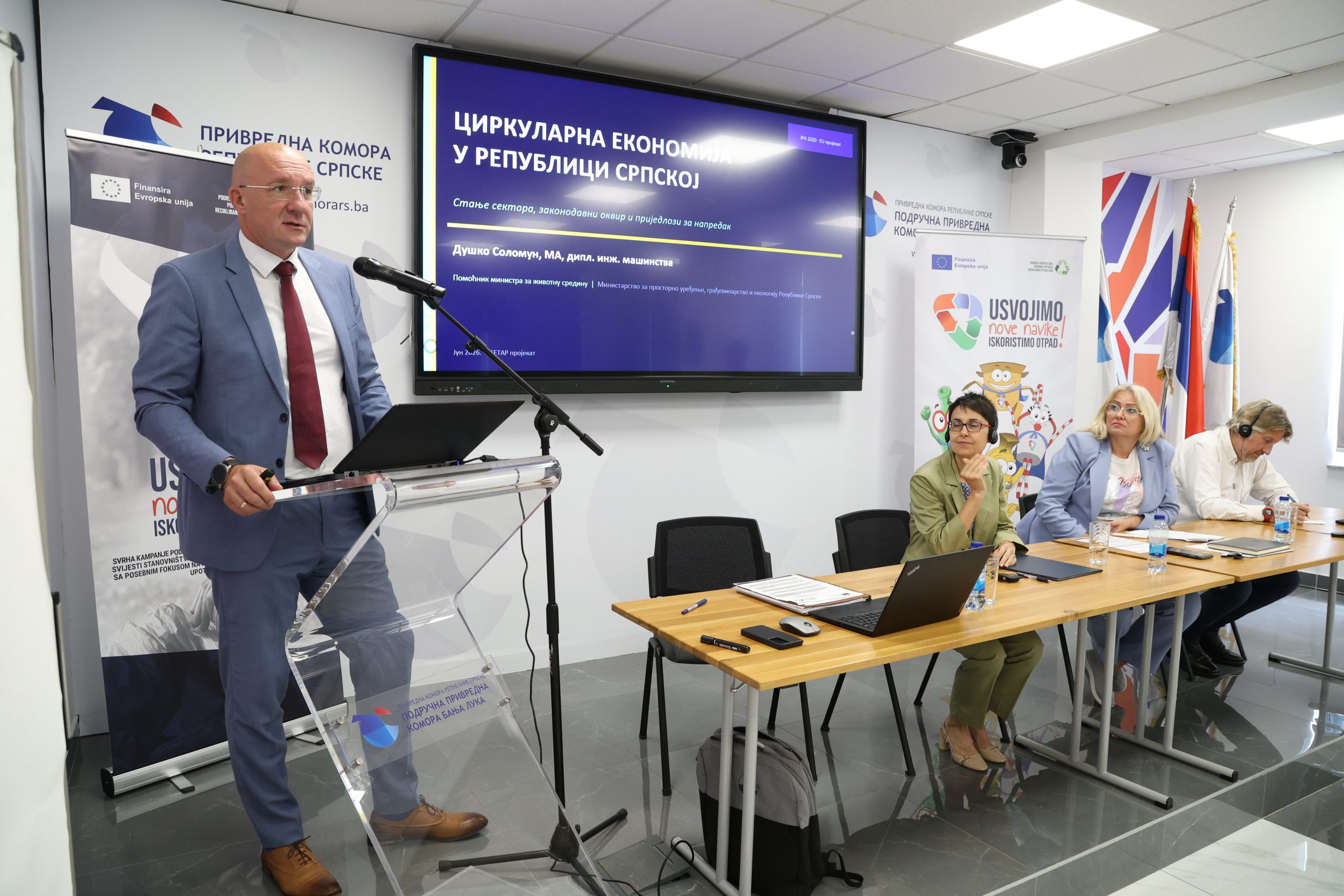
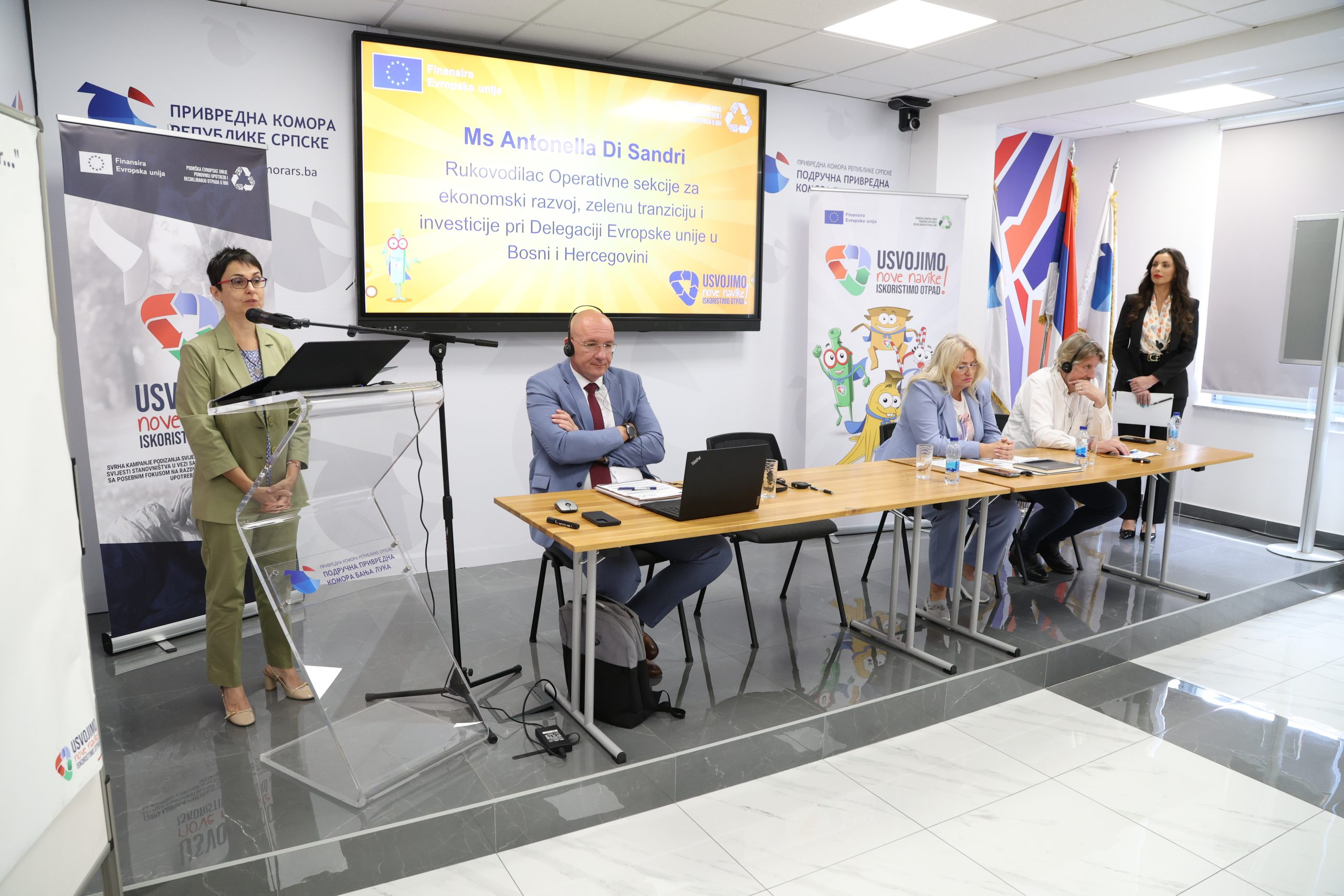
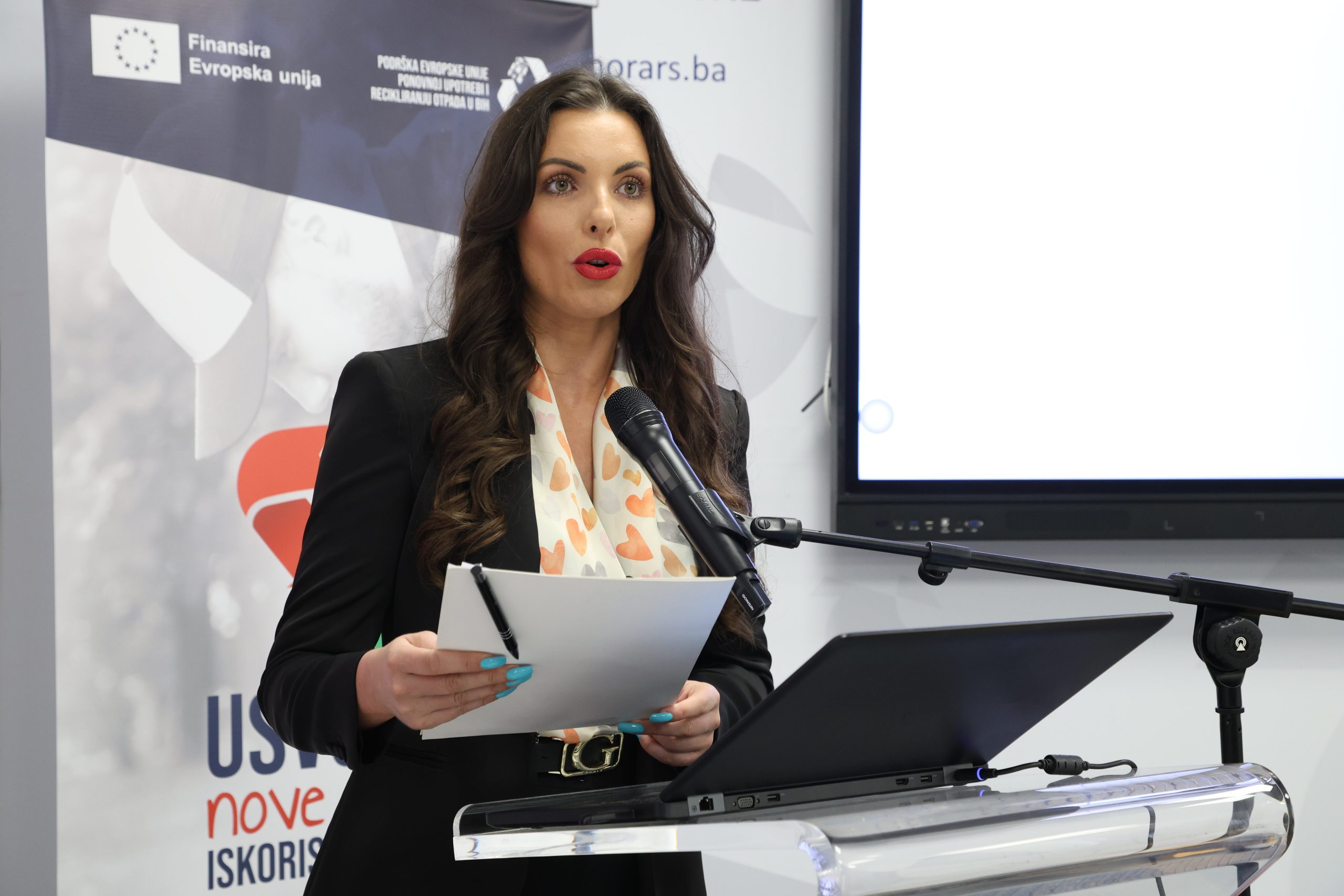
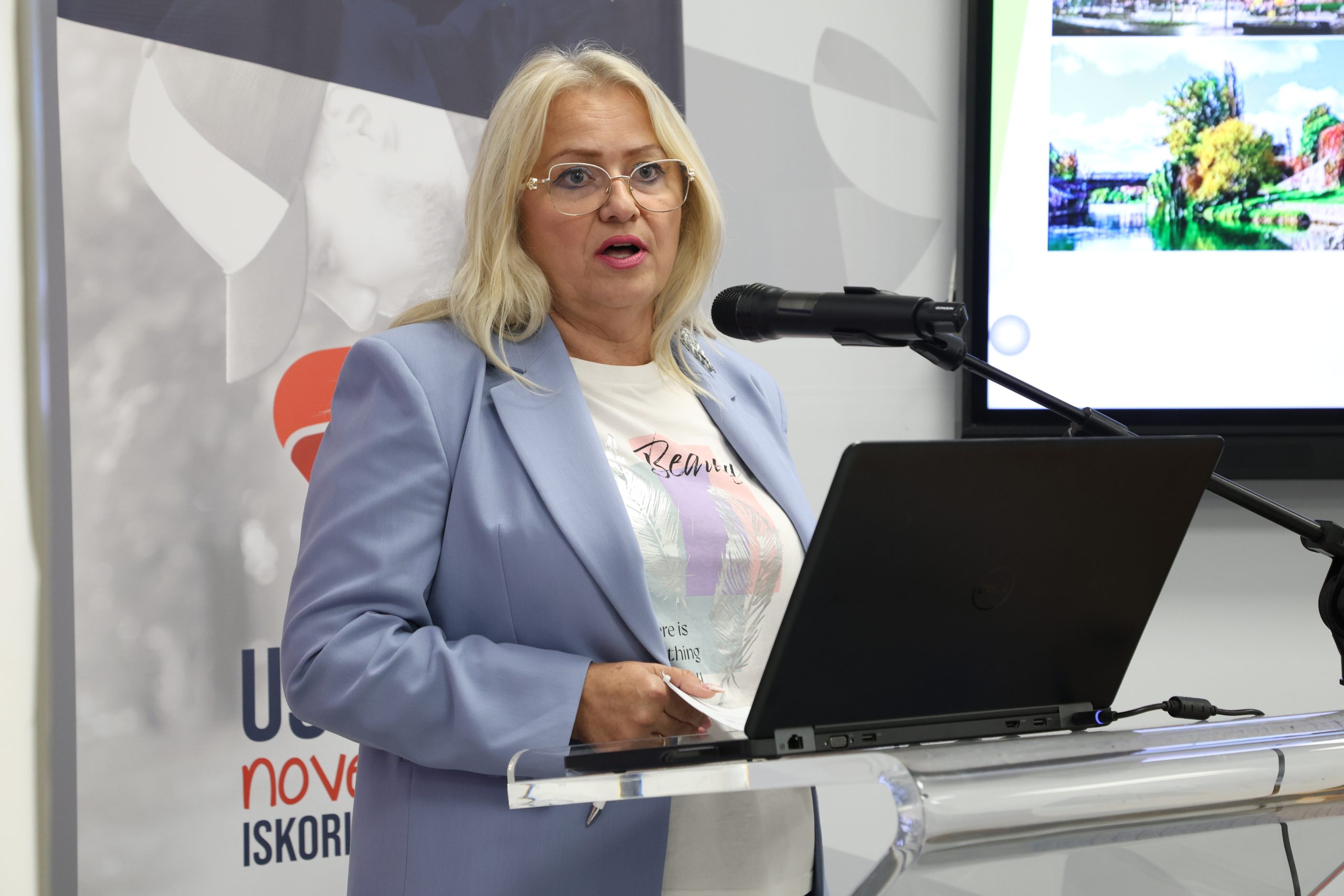
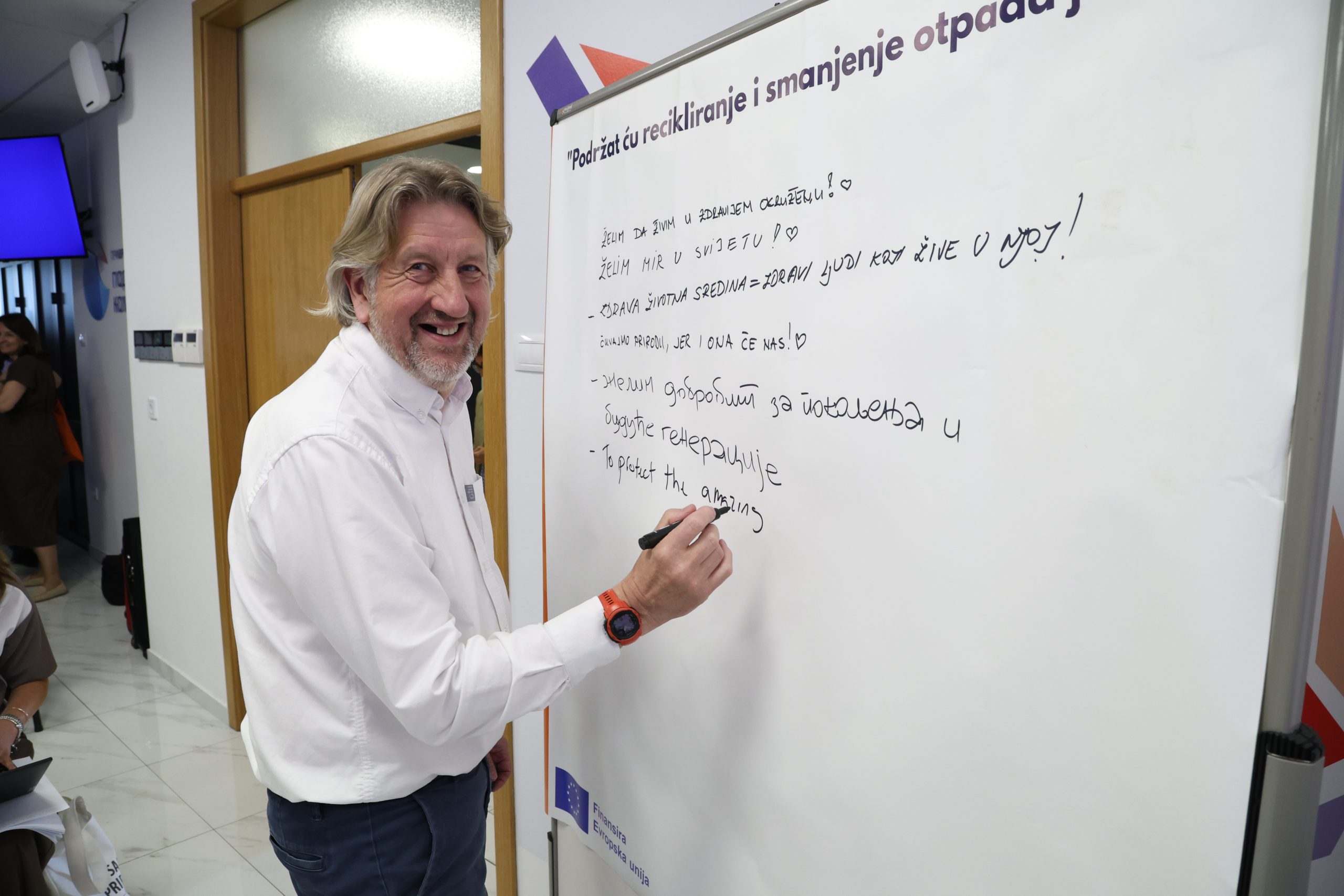
Banja Luka, 1st June 2026 – The public awareness campaign in Bosnia and Herzegovina entitled “Let’s adopt new habits! Let’s use waste!”, financed by the European Union, was presented today in Banja Luka at the Chamber of Commerce and Industry of Republika Srpska, following successeful kick-off events held in Sarajevo and Brčko. The event brought together representatives of key sector institutions, relevant stakeholders and representatives of the European Union in Bosnia and Herzegovina, who jointly expressed their support for the campaign and reaffirmed their commitment to improving sustainable waste management in Bosnia and Herzegovina.
During the event, the speakers emphasised the urgency of improving waste recovery through separation, reuse and recycling throughout Bosnia and Herzegovina, calling on institutions, the business sector, as well as the citizens to adopt new habits and contribute to a more sustainable waste management system.
“Today we continue the rollout of this public awareness campaign here in Banja Luka, following successful kick-offs in Sarajevo and Brčko. The campaign highlights how everyday choices shape our environment, health and future. With the support of the European Union, Bosnia and Herzegovina is aligning its waste management system with EU standards and moving away from the ‘take–make–dispose’ model. The European Union remains a strong partner in this process. To date, we have invested nearly 140 million EUR in environmental protection, including waste management and environmental infrastructure. However, lasting change depends on all of us, institutions, businesses and citizens alike,”
said Antonella Di Sandri, Head of Section for Economic Development, Green Transition and Investments at the Delegation of the European Union to Bosnia and Herzegovina.
The campaign is implemented within the EU-funded technical assistance project CETAP and is an integral part of the European Union’s long-lasting support to Bosnia and Herzegovina in strengthening environmental protection and waste management, in line with the EU standards.
Addressing the audience, Duško Solomun, Assistant Minister for Environmental Protection at the Ministry of Spatial Planning, Construction and Ecology, stated:
“We must jointly recognize that our natural resources are limited. That the recovery and reuse of waste materials represent a significant economic opportunity — an opportunity that reduces our dependence on primary raw materials by reintroducing waste streams into production processes as secondary raw materials.
The Government of the Republic of Srpska fully recognizes the importance of this transition and the long-term benefits it can bring. The Government of the Republic of Srpska is also aware that the transition from a linear to a circular economy is a demanding and complex process, so it is essential that this process is managed in a manner and at a pace that will not negatively impact the economy or the well-being of our citizens.
The EU’s assistance is also important in this process, which, through IPA funds and through projects such as the CETAP project, is helping us in this transition from a linear to a circular economy.”
A central feature of the promotional events is the presentation of the Eco Guardians – a team of educational and friendly characters, each representing a specific waste stream. Through clear, engaging and easy-to-understand messages, the Eco Guardians demonstrate how proper waste separation gives materials a “second life”, reinforcing the message that everyday items such as paper, glass, plastic and bio-waste are not waste, but valuable resources.
The aim of the campaign is to encourage behavioural change and inspire citizens across Bosnia and Herzegovina to adopt everyday waste separation habits and to recognise waste as a valuable resource, said Edward Scott Crossett, Team Leader of the EU-funded CETAP project.
CETAP (Circular Economy Technical Assistance Project for Improving the Recovery of Materials from Waste through Separate Collection, Reuse and Recycling) is a European Union project supporting Bosnia and Herzegovina’s transition towards sustainable waste management. The project promotes the development of new markets for waste as a resource, enhances recycling capacities and municipal services, and supports the drafting of legislation aligned with the EU Waste Package. It also provides support to competent institutions in establishing sustainable systems for the collection and treatment of specific waste streams, in line with circular economy principles.
Attachments: Brand Book – overview of the campaign’s complete visual identity, campaign logo and characters. More information about the campaign and its activities is available at: www.cetap.ba
Media contact information:
Project CETAP communications team
Email: info@cetap.ba
Phone: +387 33 563 582
CETAP Hosts Roundtables to Support BiH’s Transition to a Circular Economy
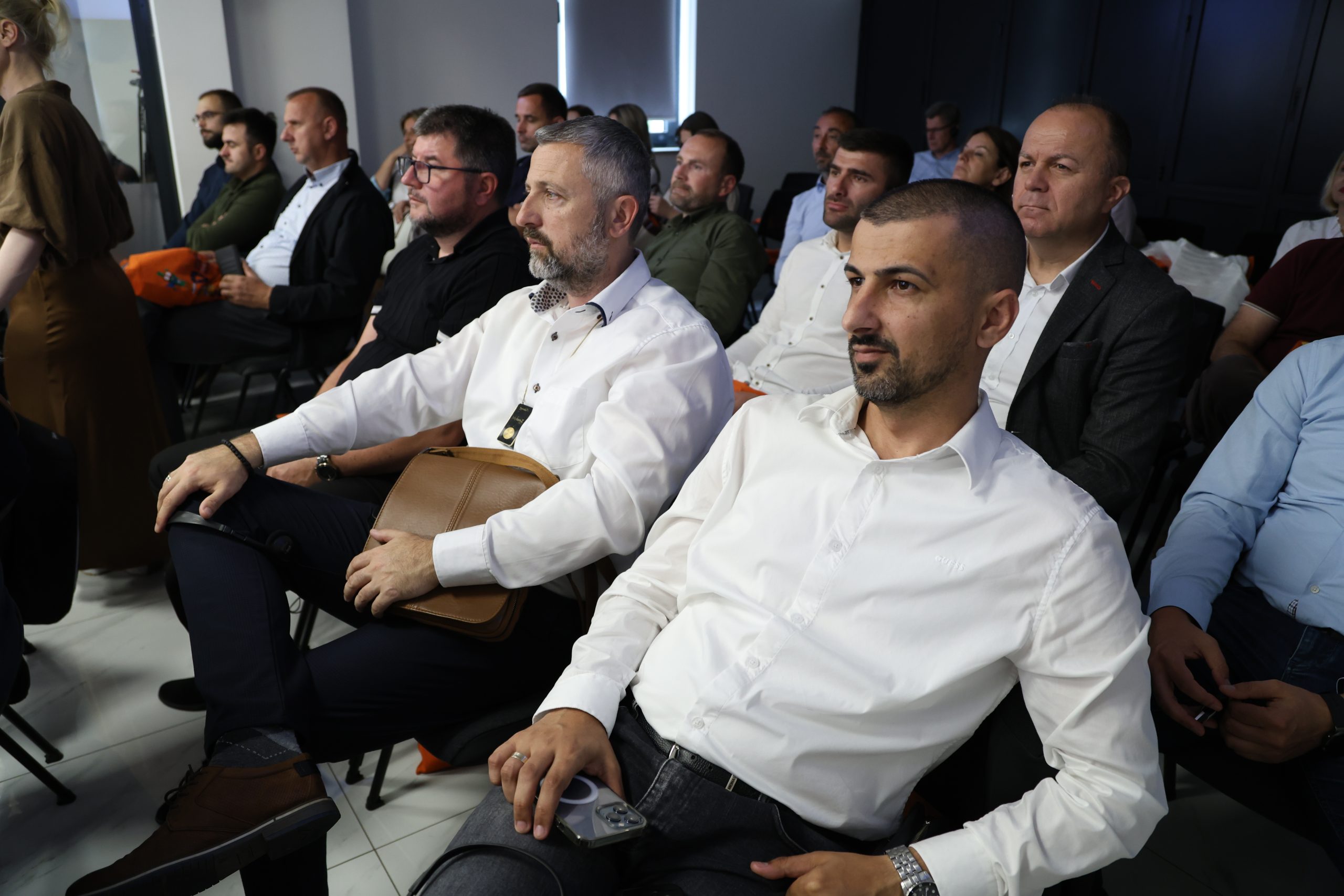
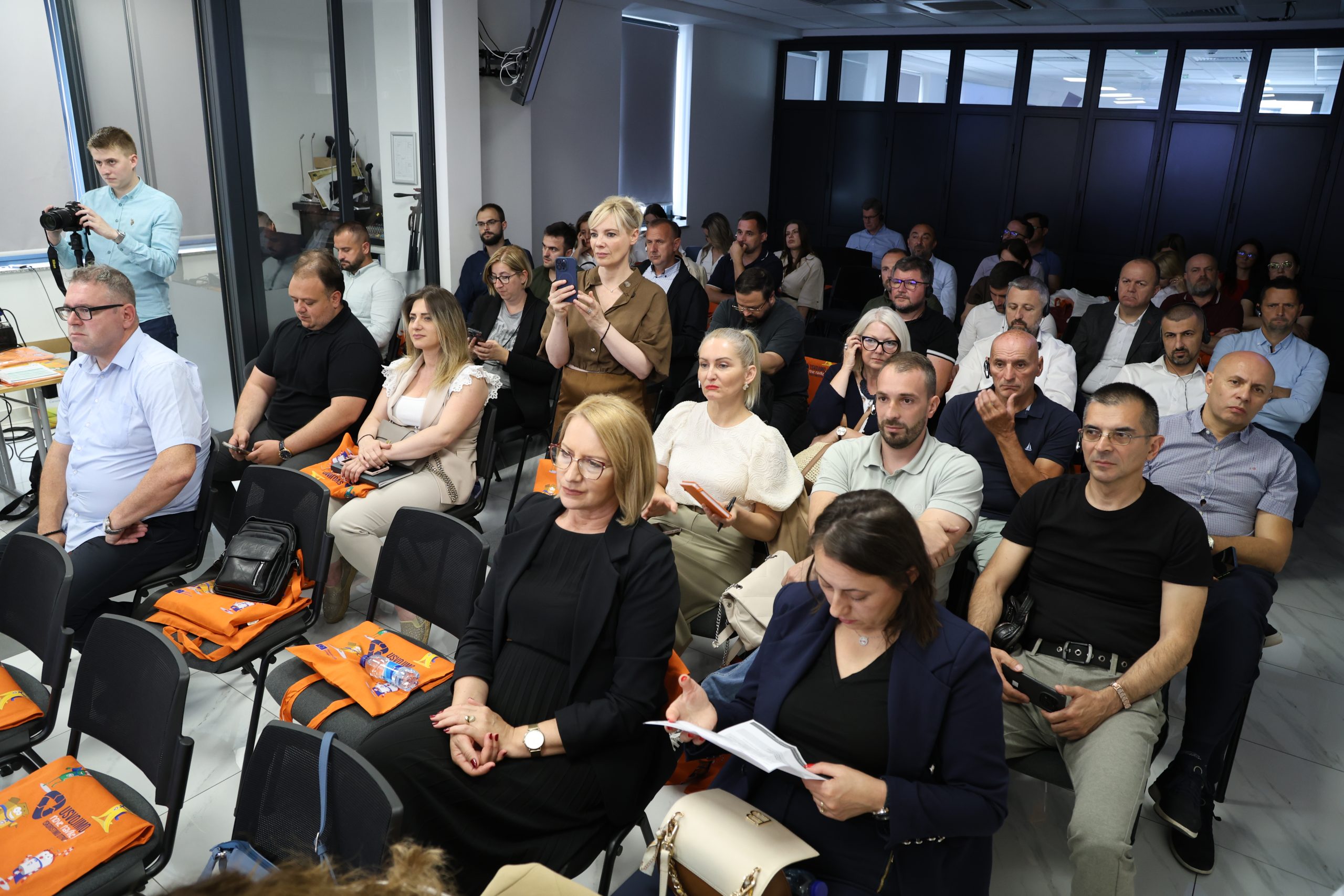
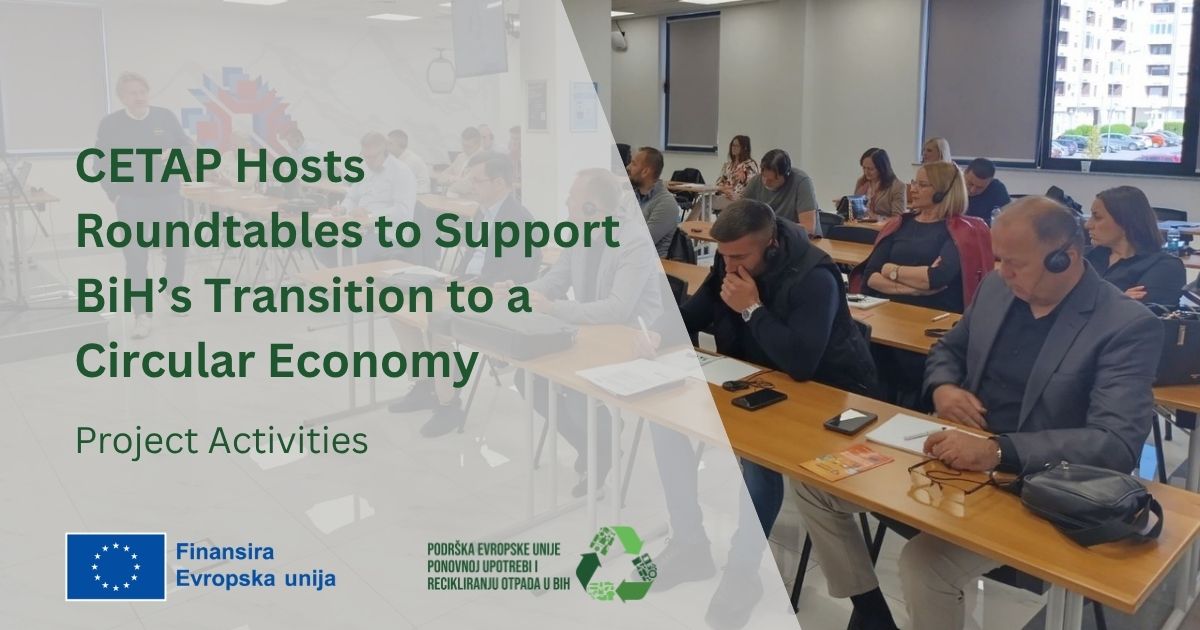
As part of the Circular Economy Technical Assistance Project in Bosnia and Herzegovina, CETAP hosted a series of roundtable events from 28–30 April 2026 in Banja Luka, Tuzla and Sarajevo, bringing together stakeholders to discuss the policy, planning and engagement mechanisms needed to support the country’s transition from a linear to a circular economy. Across the three events, participants explored how circularity can be enabled through stronger economic instruments, more ambitious waste management planning, and meaningful stakeholder engagement.
The first roundtable, held in Banja Luka at the Chamber of Commerce, focused on Policy and Economic Instrument Enablers to Facilitate Transition to Circularity. The session examined how fiscal and market-based instruments can help make circular choices more economically attractive, including VAT differentiation for repair, reuse and remanufactured goods, Extended Producer Responsibility fee modulation, taxes on virgin raw materials, subsidies for secondary materials, and the role of public procurement in creating demand for circular products.
The second roundtable also took place in Banja Luka at the Chamber of Commerce and focused on the Circular Supply Chain within a Circular Economy. Discussions also explored how EU policy architecture can support circular supply chains while avoiding unnecessary complexity, market distortion or disproportionate burdens on businesses and consumers.
The third roundtable took place in Tuzla and focused on Waste Management Planning. Participants discussed how Waste Management Plans can evolve from disposal-focused compliance documents into strategic tools for resource circulation, prevention, reuse, repair and material value retention. The event explored the need to align local and regional planning with EU circular economy frameworks, while also addressing practical delivery challenges such as infrastructure investment, data systems, separate collection, funding models, EPR revenues, digitalisation, and the role of municipalities in supporting more advanced waste and resource management systems.
The fourth roundtable, held in Sarajevo, addressed Stakeholder Engagement Mechanisms to Facilitate Transition from a Linear to a Circular Economy. The discussions focused on how public authorities, producers, SMEs, citizens, social enterprises and other actors can move beyond traditional consultation towards genuine co-creation of circular economy strategies. Participants examined how to craft successful public awareness campaign for waste management, and how these can support measurable changes in production, consumption, reuse and recycling behaviours.
Across all four roundtables, CETAP created space for professional discussion, keynote presentations and group sessions led by CETAP experts. Participants considered important questions around who should bear the costs of transition, how public authorities can balance ambition with practical delivery, how SMEs and citizens can be meaningfully involved, and which policy tools are most likely to deliver results in the short and medium term.
The roundtables highlighted that the transition to a circular economy requires more than technical waste management improvements alone. It depends on coherent policy, credible economic incentives, strong local planning, reliable data, institutional cooperation and public participation.
By connecting these themes across the three events, CETAP supported stakeholders in identifying practical pathways for strengthening circular economy implementation in Bosnia and Herzegovina and aligning national progress with EU circular economy objectives.
CETAP Training Strengthens Local Capacity for Circular Waste Collection Systems in Bosnia and Herzegovina
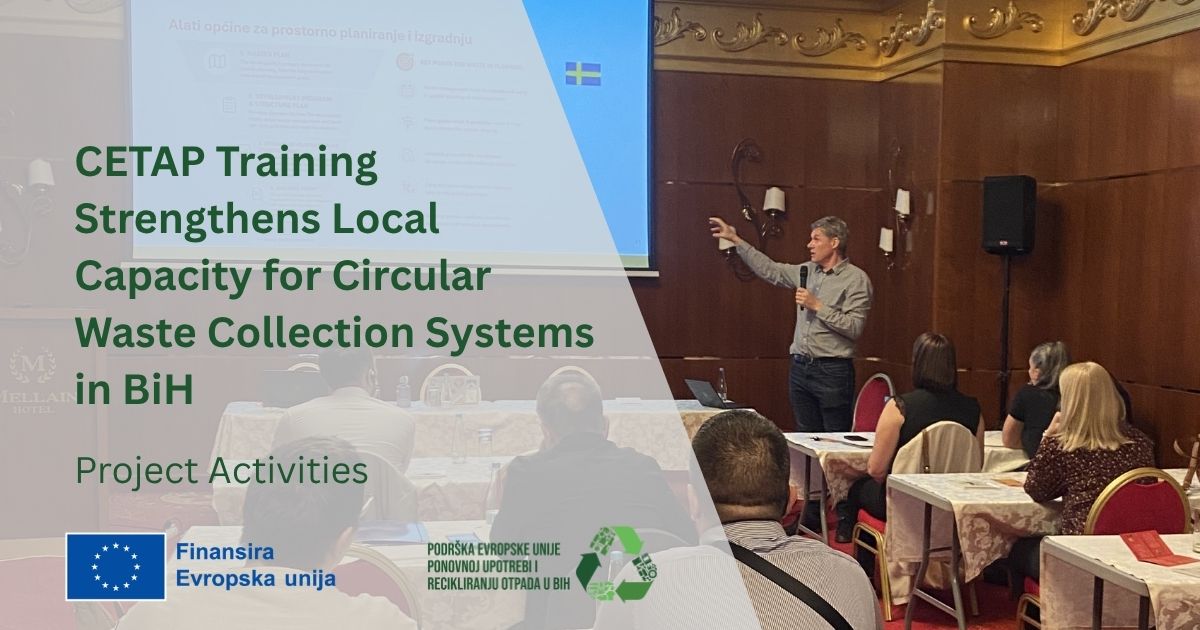
As part of the Circular Economy Technical Assistance Project in Bosnia and Herzegovina, CETAP delivered a dedicated training programme on Waste Collection Schemes, Options and Challenges from 4–8 May, bringing together representatives of local authorities, utility companies and relevant stakeholders to support the development of more effective, financially sustainable and circular-oriented waste collection systems.
The training was designed to strengthen practical knowledge around the planning, design and implementation of modern waste collection systems, with a strong focus on local application in Bosnia and Herzegovina. Across the programme, participants explored how municipalities, cantons and utility companies can move beyond traditional waste collection approaches and begin building systems that support waste prevention, separate collection, recycling and long-term circular economy outcomes.
The session opened with “Tools That Change Behaviour: Engagement Mechanisms That Deliver Real Circular Outcomes”, delivered by Scott Crossett, setting the tone for the day by highlighting the role of public engagement, communication and behaviour change in making waste systems work in practice. This was followed by technical sessions led by Harri Moora and Tomas Thernström, who introduced participants to the current waste management situation in Bosnia and Herzegovina, including collection coverage, separate collection challenges and the expectations linked to EU approximation.
A key theme of the training was that successful waste collection systems cannot rely on one single model. Participants examined the different roles of kerbside collection, communal collection systems and staffed recycling centres, and considered how each approach can be adapted for different waste fractions and target groups, including single houses, multi-family housing, rural areas and businesses. Through interactive discussions, participants mapped existing local practices and reflected on which systems are most appropriate for their own communities.
The training also placed strong emphasis on the importance of planning. Participants explored how waste collection systems need to be integrated into municipal planning processes from the earliest stages, including spatial plans, development decisions and building permits. Using examples from Sweden, the training demonstrated how waste assessments can help ensure that collection systems are properly designed before infrastructure is built, and reinforced the responsibility of municipalities to define the permitted systems and technical standards required for effective implementation.
Practical examples from Sweden and Estonia were used throughout the programme to show how different collection systems can be designed, communicated and financed in real-world settings. These examples helped participants consider how international good practice can be adapted to the Bosnia and Herzegovina context, particularly in relation to residual waste, food waste, packaging waste, bulky waste, hazardous waste, e-waste, textiles and garden waste.
By the end of the training, participants had developed a clearer understanding of how waste collection systems can be planned, financed, communicated and adapted to local needs. The training provided not only technical guidance, but also a practical framework for decision-making, helping stakeholders identify realistic improvements that can support Bosnia and Herzegovina’s transition towards a more circular economy.
Through activities such as this, CETAP continues to support institutions, municipalities, utility companies and other stakeholders in building the knowledge, systems and cooperation needed to improve waste management and align with EU circular economy objectives.
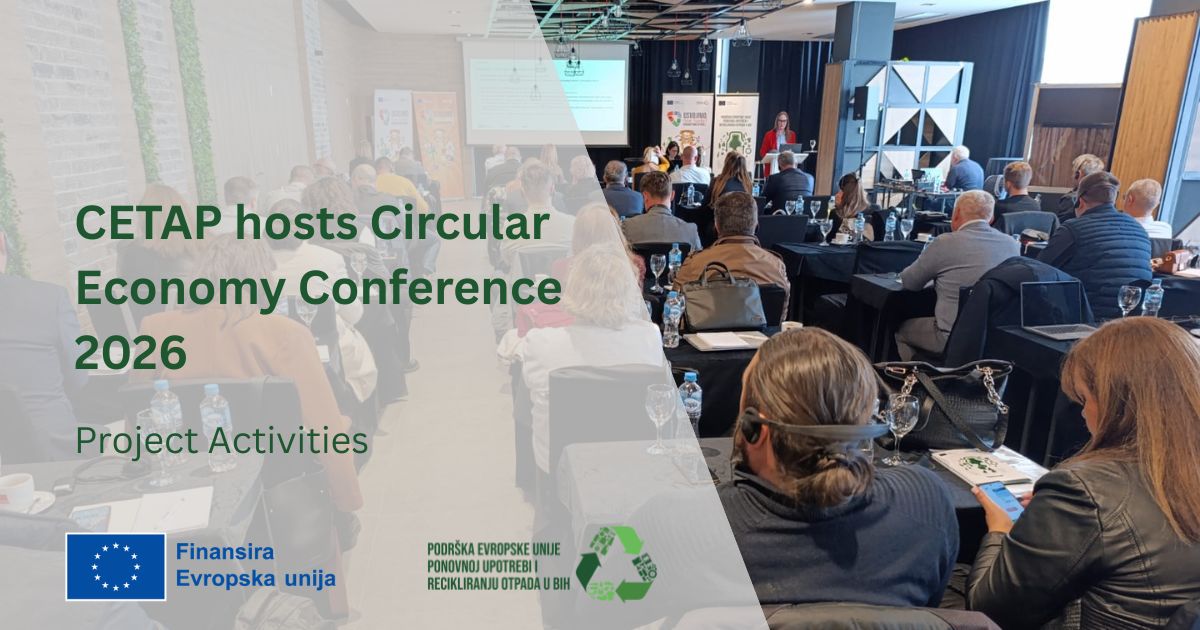
CETAP hosts Circular Economy Conference 2026
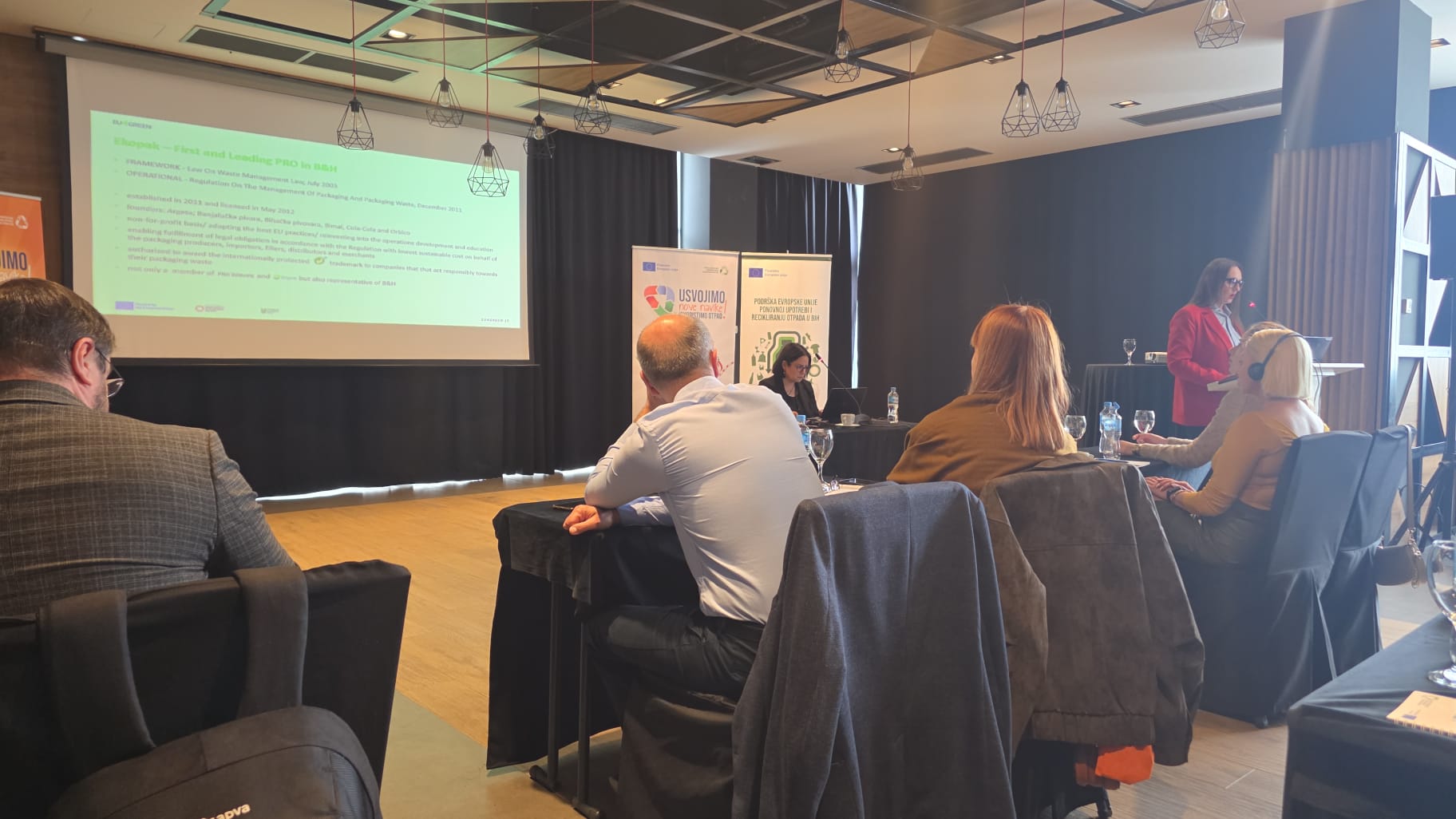
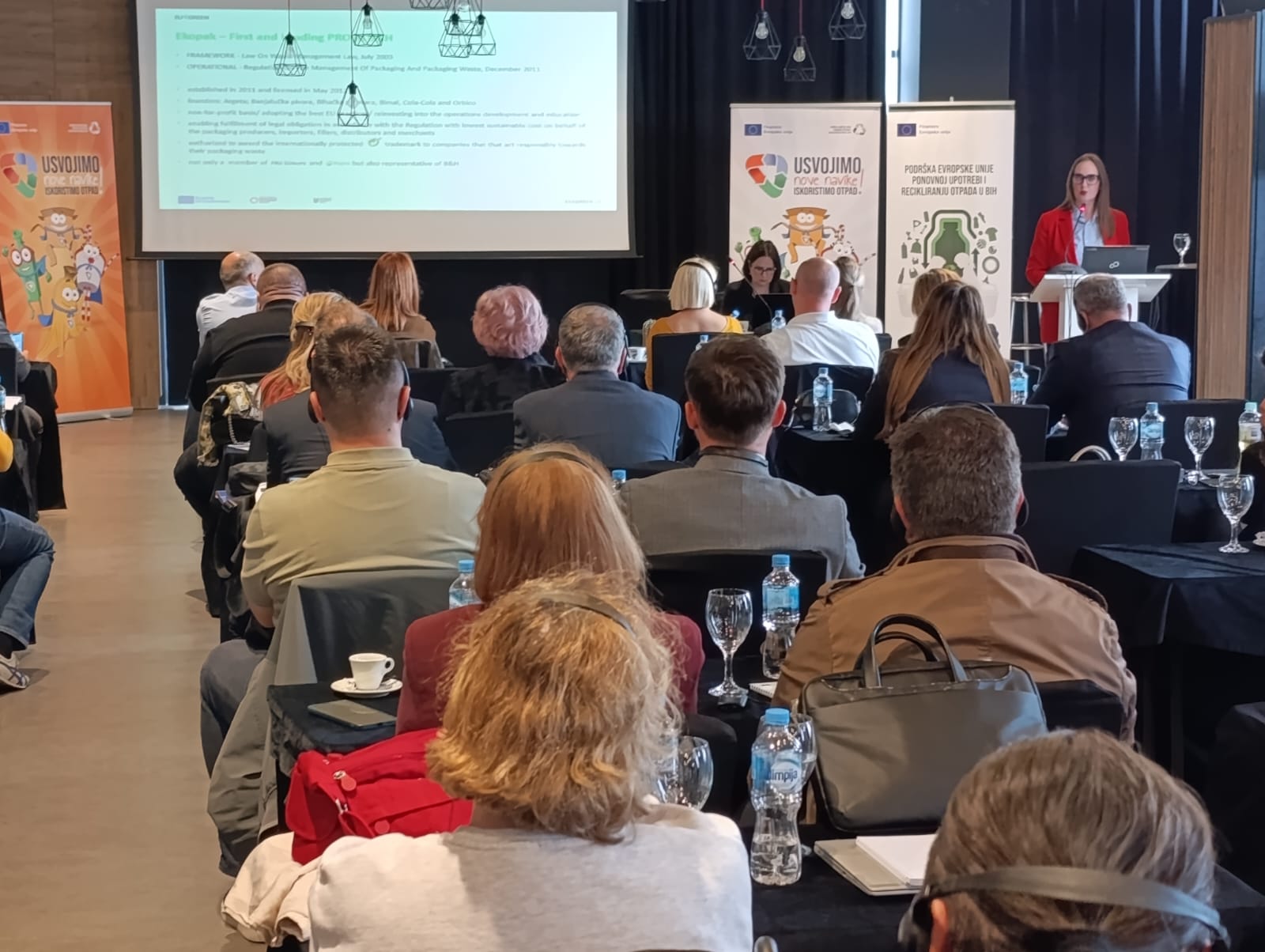
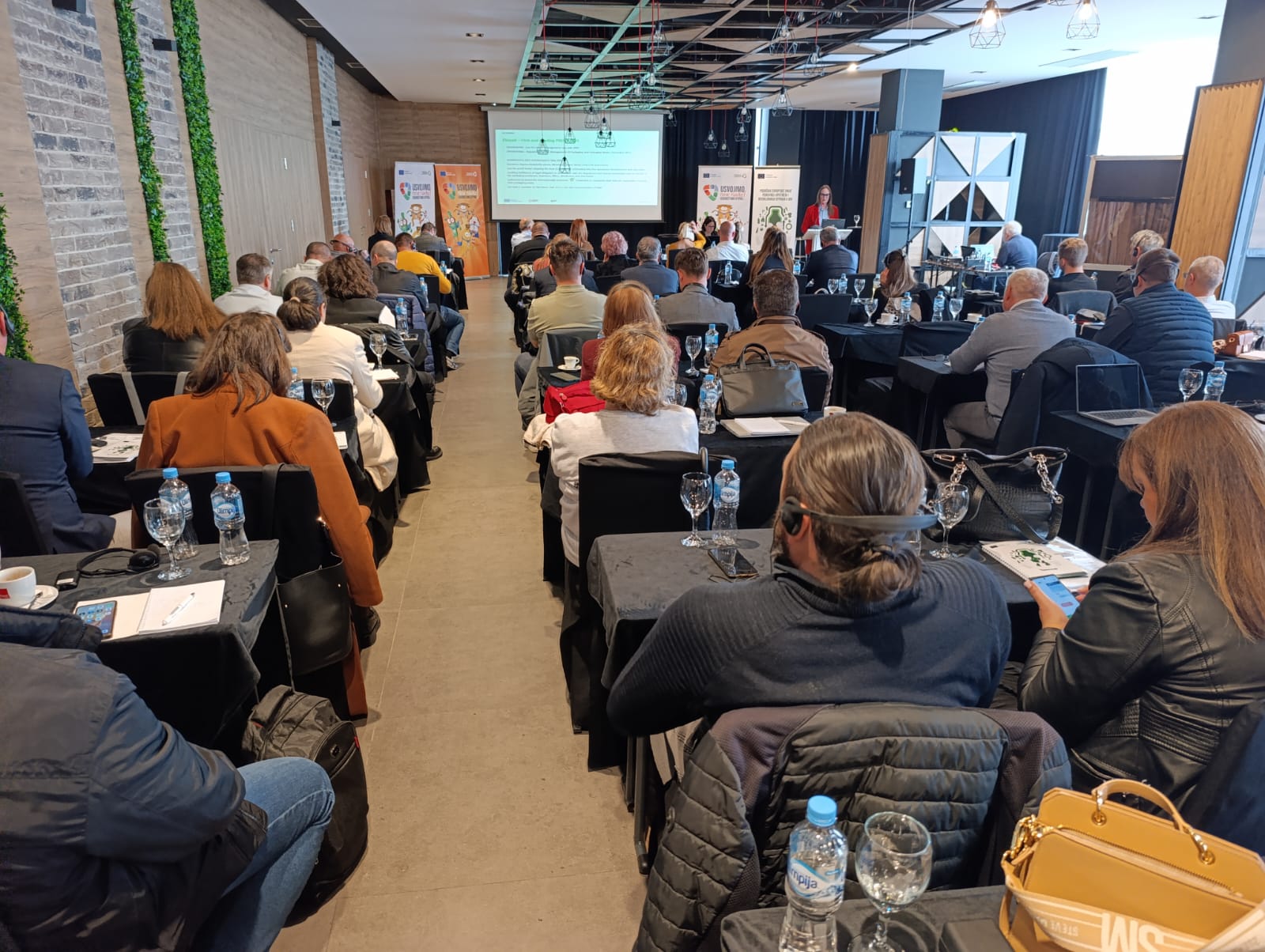
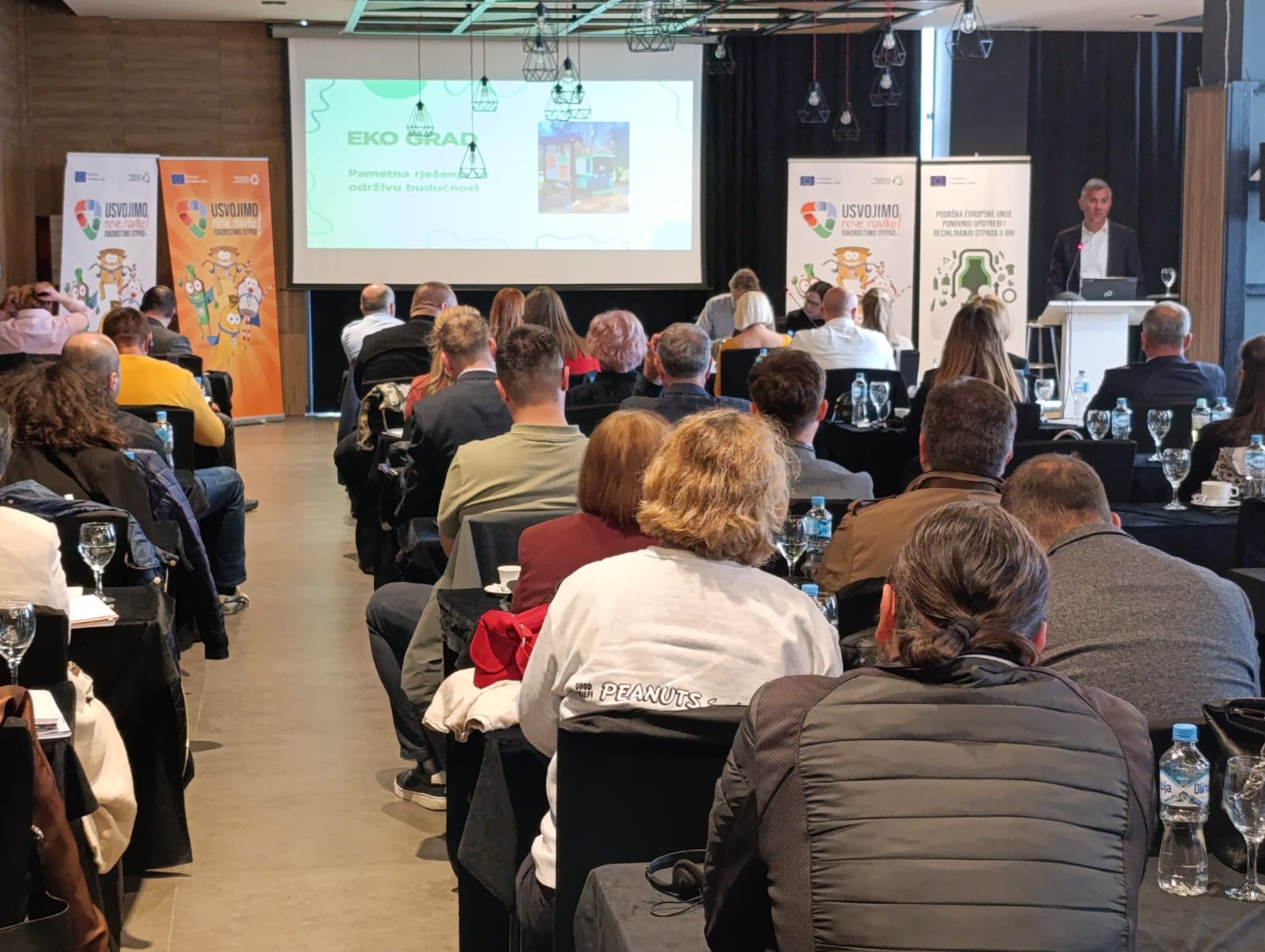
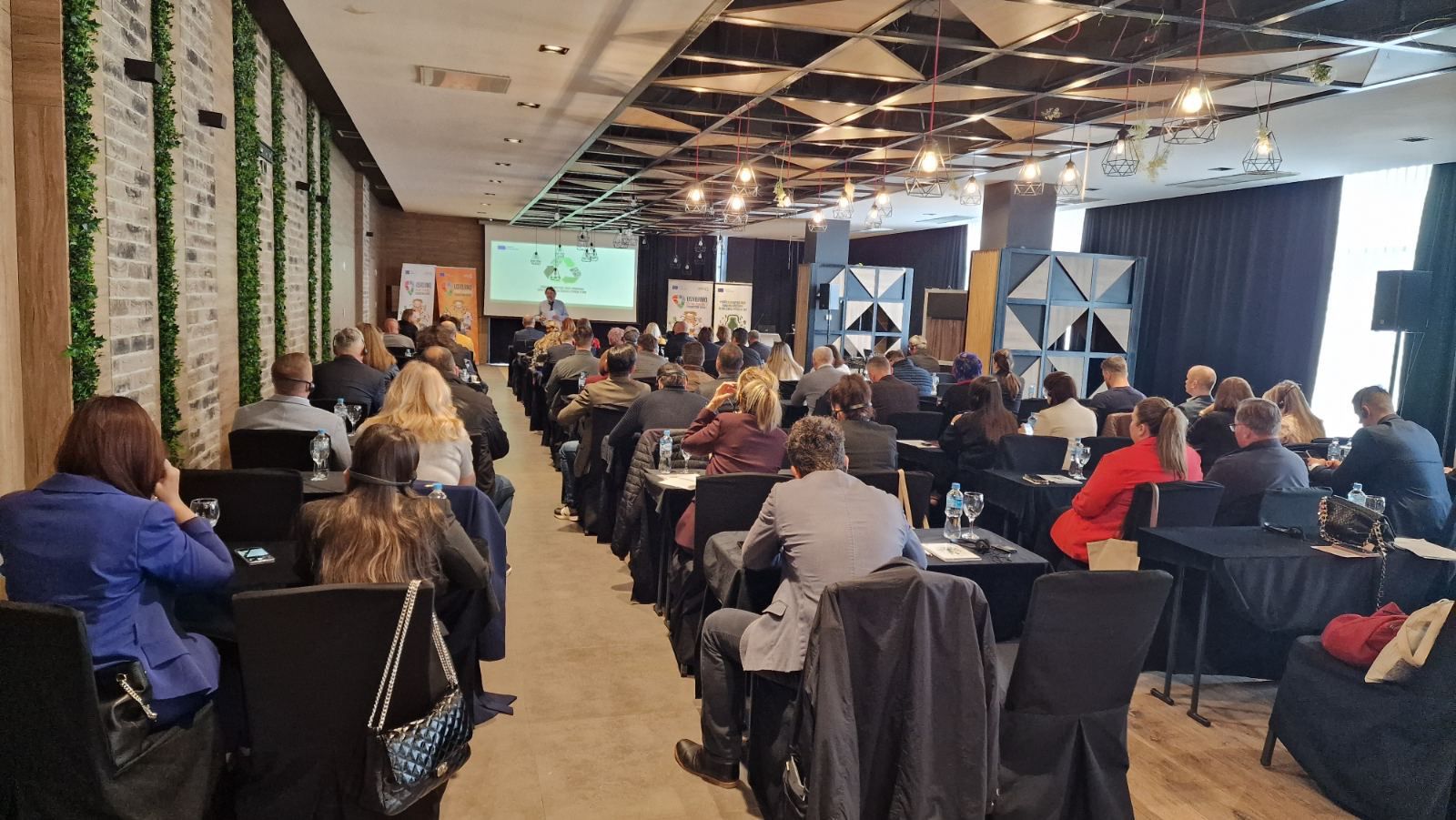
On 21 April 2026, CETAP hosted our Circular Economy Conference as part of Bosnia and Herzegovina’s sustainability journey. Bringing together industry leaders, institutions, and environmental experts from across Europe and the Western Balkans, the conference marked a pivotal moment in advancing the country’s transition from a linear to a circular economic model.
At a time when alignment with EU environmental legislation is becoming increasingly critical, the event provided a platform to move beyond theory and into action. Central to the discussions was the presentation of CETAP’s Study on the Market Potential for Circular Economy Principles in Special Waste Categories, which outlined the current state of circularity in Bosnia and Herzegovina and set out clear, actionable recommendations for progress. The study highlighted both the opportunities and structural challenges facing the country, offering a roadmap to support policy development, investment planning, and practical implementation.
From Policy to Practice
The conference programme explored key pillars of the circular transition, including EU policy frameworks, Extended Producer Responsibility (EPR), and the financial mechanisms required to support systemic change. Sessions led by international and regional experts demonstrated how legislative tools and economic incentives can be used to drive behavioural and operational change across sectors.
Crucially, the event reinforced that the circular economy is not just an environmental ambition—it is an economic opportunity. Discussions around financing models and cost-benefit dynamics made it clear that circularity can unlock efficiency gains, reduce long-term costs, and improve resilience across Bosnia and Herzegovina’s economy.
Showcasing Local Innovation
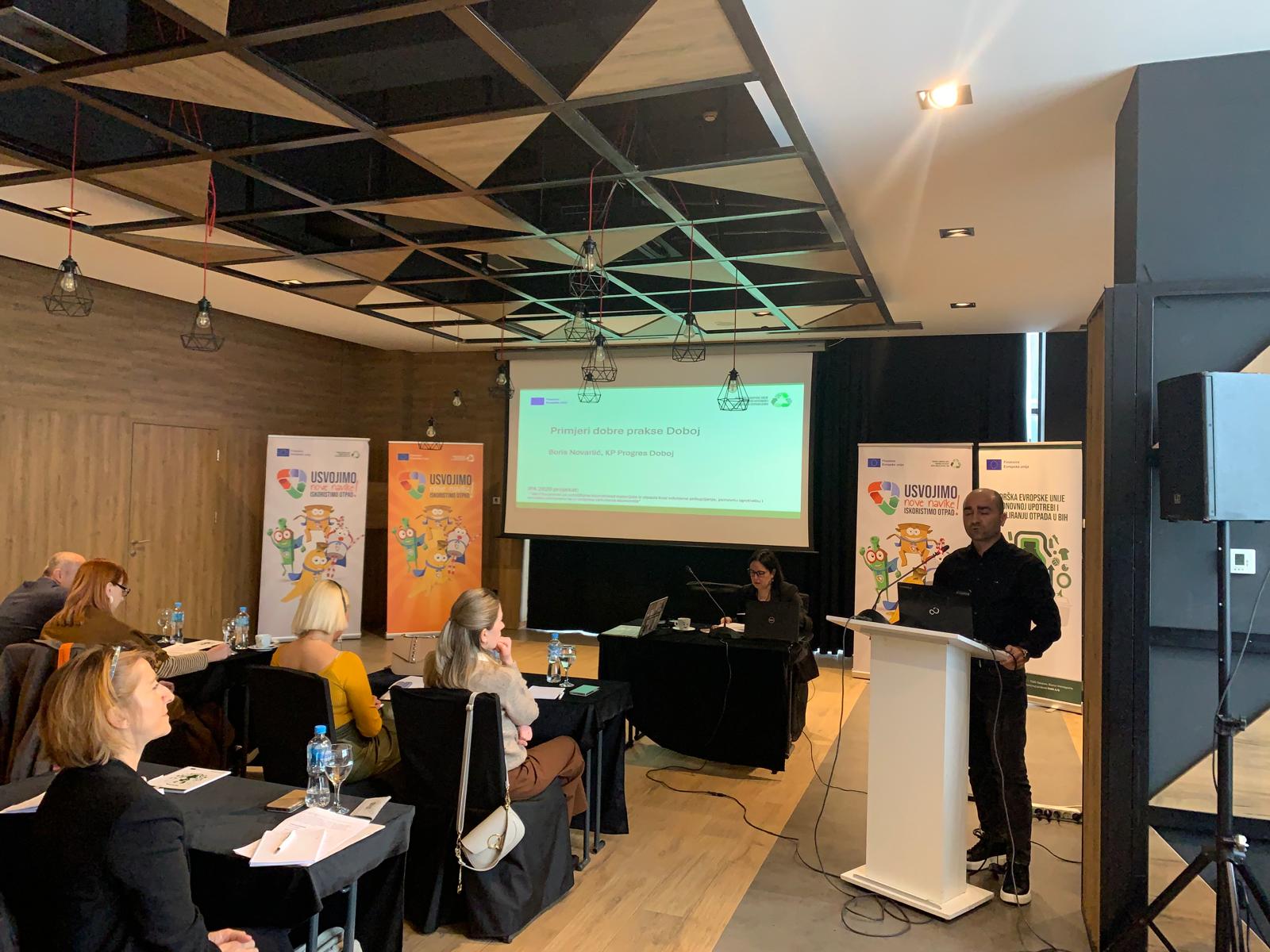
A standout feature of the event was the Best Practice Showcase, which brought the circular economy to life through real examples from Bosnian businesses. Companies from across different sectors demonstrated how they are redesigning products, rethinking processes, and reducing waste in ways that create both environmental and commercial value.
Presentations were given by Ekopak, Eko Grad and Brick.block.ba. These case studies showed that circular principles are already being successfully applied within the local context. By sharing their experiences openly, the showcase created a space for learning, collaboration, and inspiration.
Collaboration as the Catalyst
One of the strongest themes emerging from the conference was the importance of collaboration. The transition to a circular economy cannot be achieved by any single stakeholder alone. It requires coordinated action between government institutions, municipalities, businesses, financial organisations, and citizens.
The event successfully created a forum for this multi-stakeholder dialogue, enabling participants to exchange ideas, build partnerships, and contribute to shaping a shared vision for the future. From waste management planning to public awareness and behavioural change, the message was clear: progress depends on alignment, cooperation, and sustained commitment.
Looking Ahead
As Bosnia and Herzegovina continues its path towards EU integration and sustainable development, the Circular Economy Conference in Sarajevo represents an important step forward.
CETAP would like to thank all of our speakers at the conference, as well as all of the stakeholders who attended the event.