

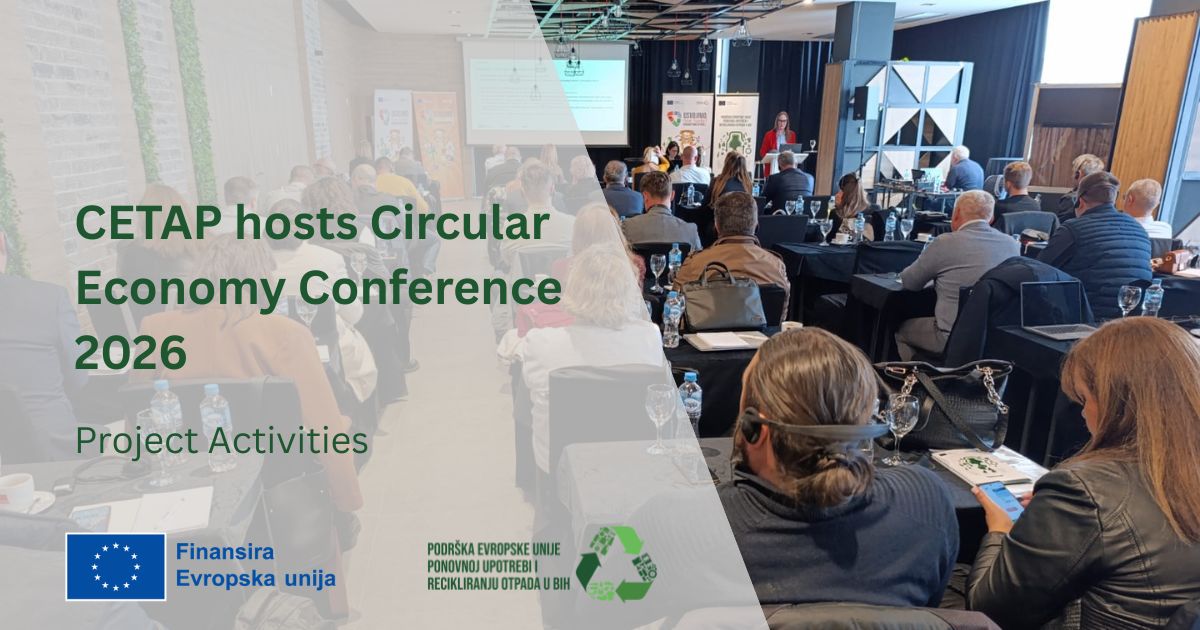
CETAP hosts Circular Economy Conference 2026
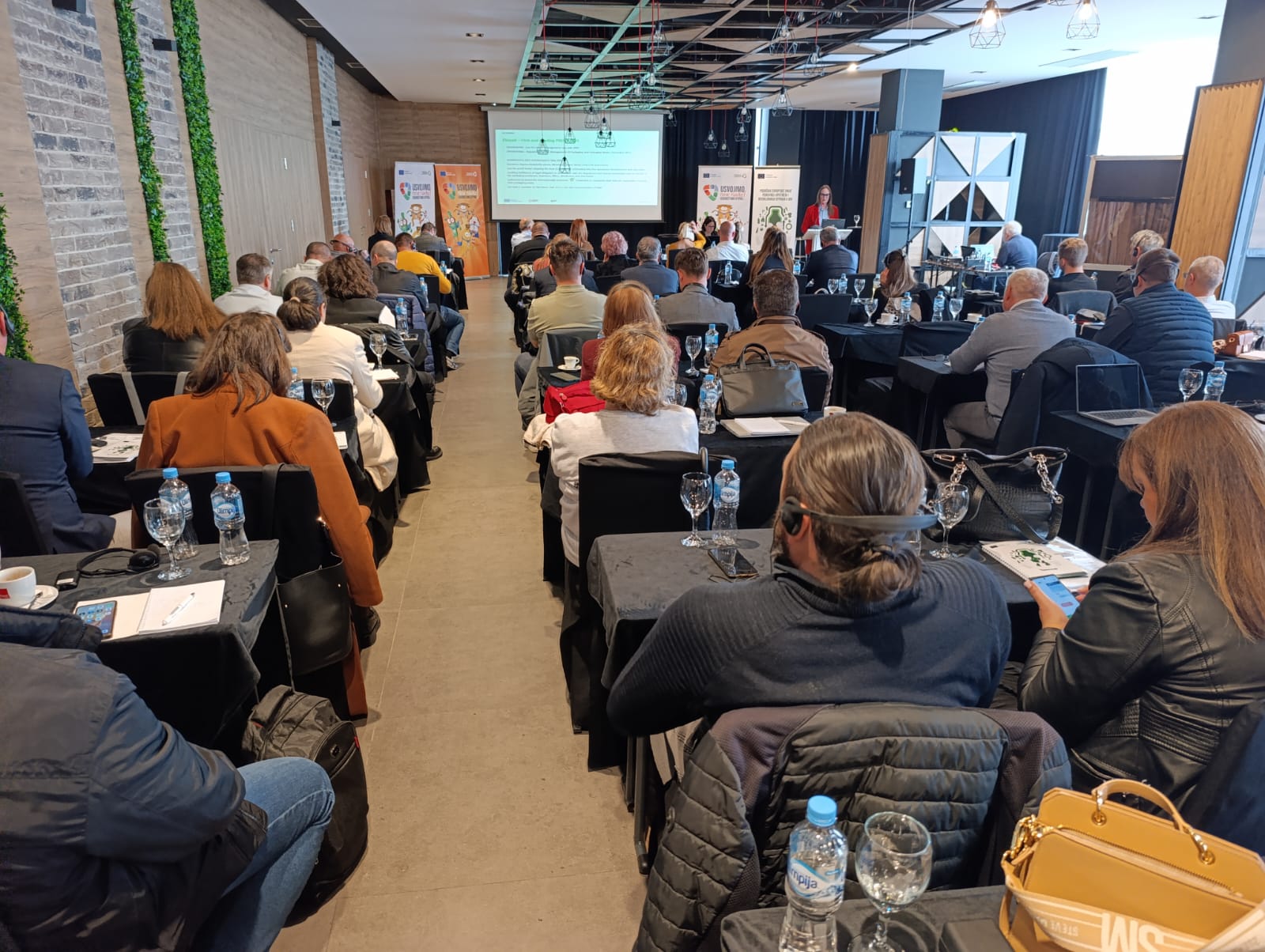
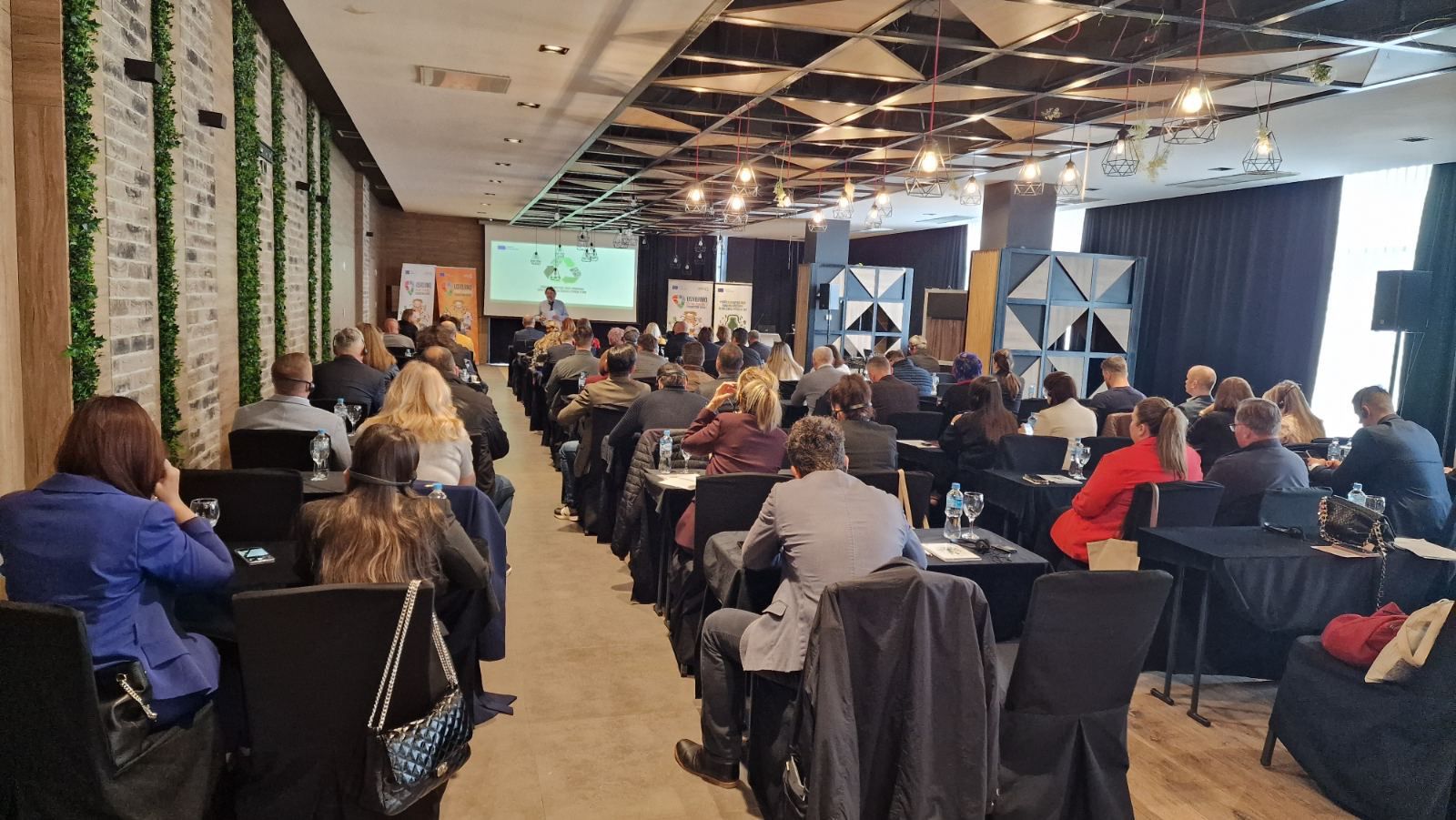
On 21 April 2026, CETAP hosted our Circular Economy Conference as part of Bosnia and Herzegovina’s sustainability journey. Bringing together industry leaders, institutions, and environmental experts from across Europe and the Western Balkans, the conference marked a pivotal moment in advancing the country’s transition from a linear to a circular economic model.
At a time when alignment with EU environmental legislation is becoming increasingly critical, the event provided a platform to move beyond theory and into action. Central to the discussions was the presentation of CETAP’s Study on the Market Potential for Circular Economy Principles in Special Waste Categories, which outlined the current state of circularity in Bosnia and Herzegovina and set out clear, actionable recommendations for progress. The study highlighted both the opportunities and structural challenges facing the country, offering a roadmap to support policy development, investment planning, and practical implementation.
From Policy to Practice
The conference programme explored key pillars of the circular transition, including EU policy frameworks, Extended Producer Responsibility (EPR), and the financial mechanisms required to support systemic change. Sessions led by international and regional experts demonstrated how legislative tools and economic incentives can be used to drive behavioural and operational change across sectors.
Crucially, the event reinforced that the circular economy is not just an environmental ambition—it is an economic opportunity. Discussions around financing models and cost-benefit dynamics made it clear that circularity can unlock efficiency gains, reduce long-term costs, and improve resilience across Bosnia and Herzegovina’s economy.
Showcasing Local Innovation
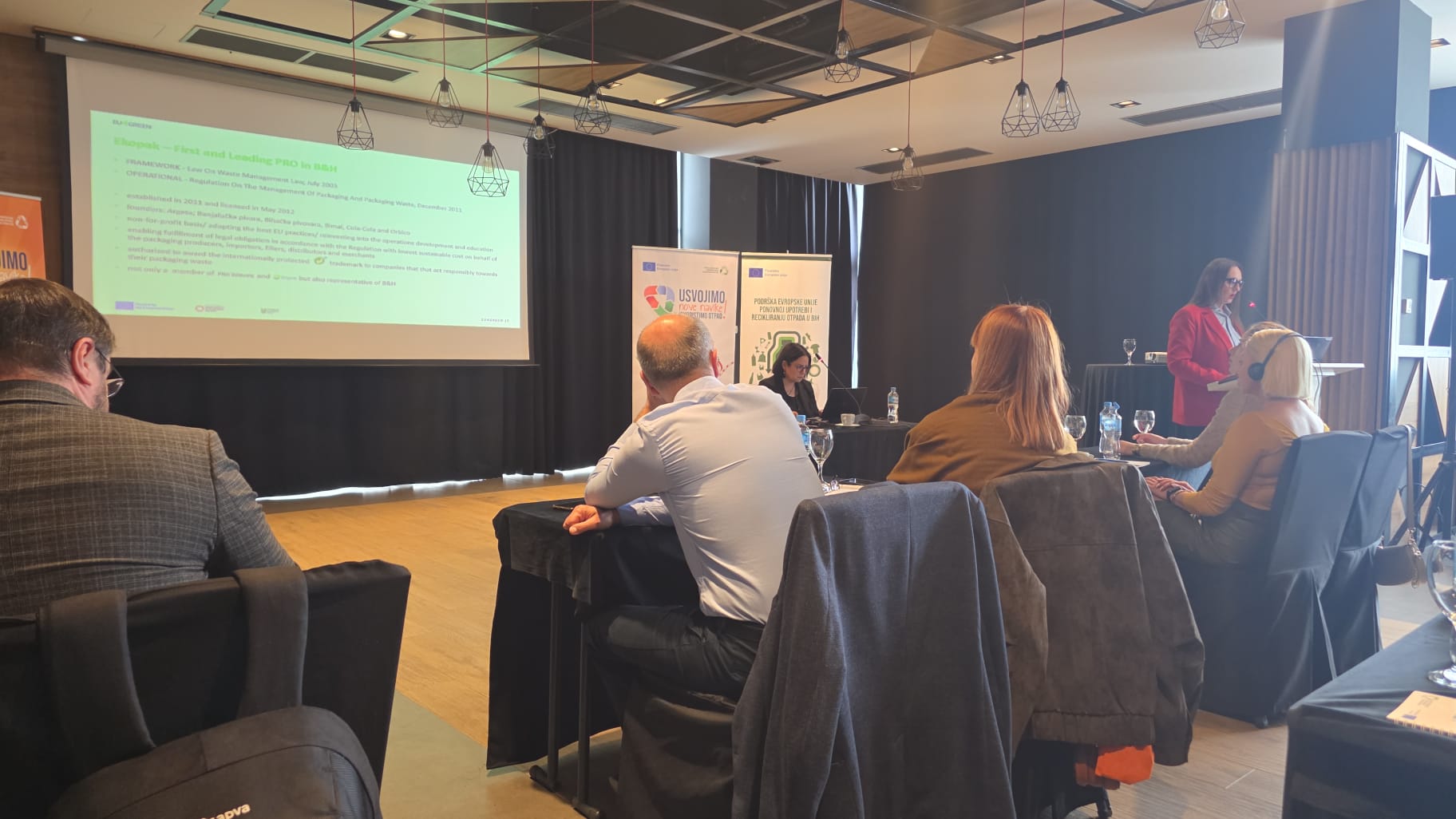
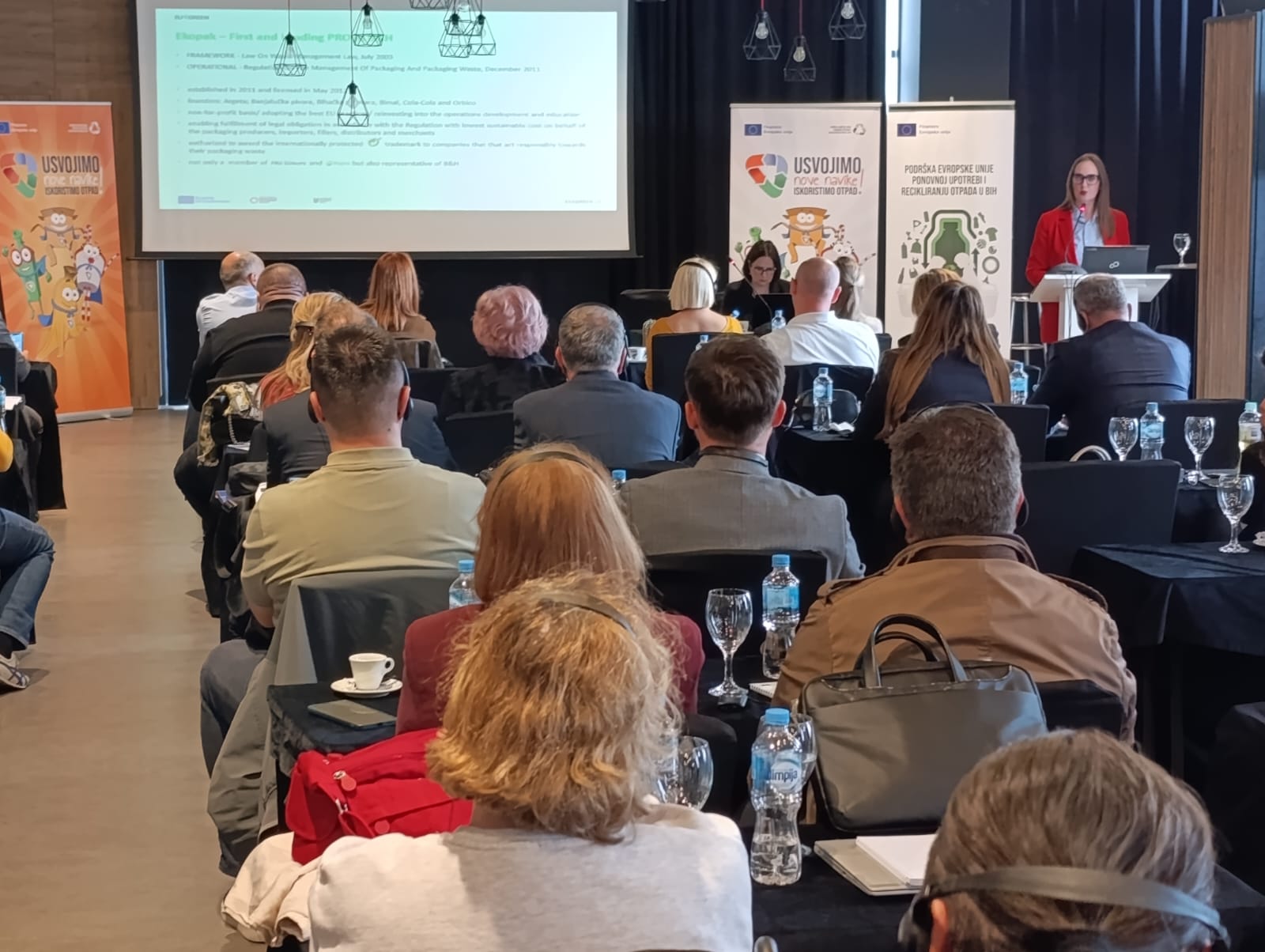
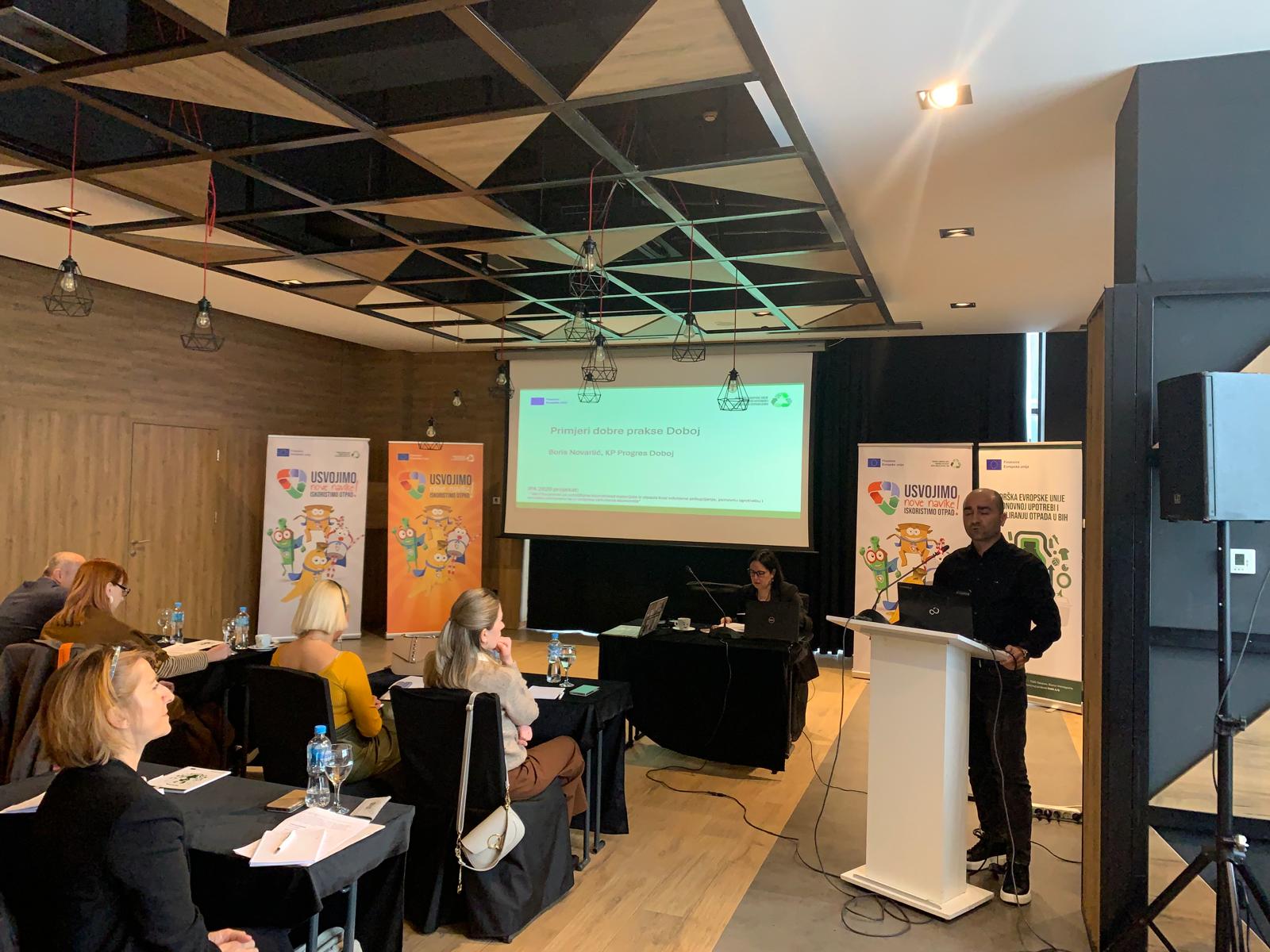
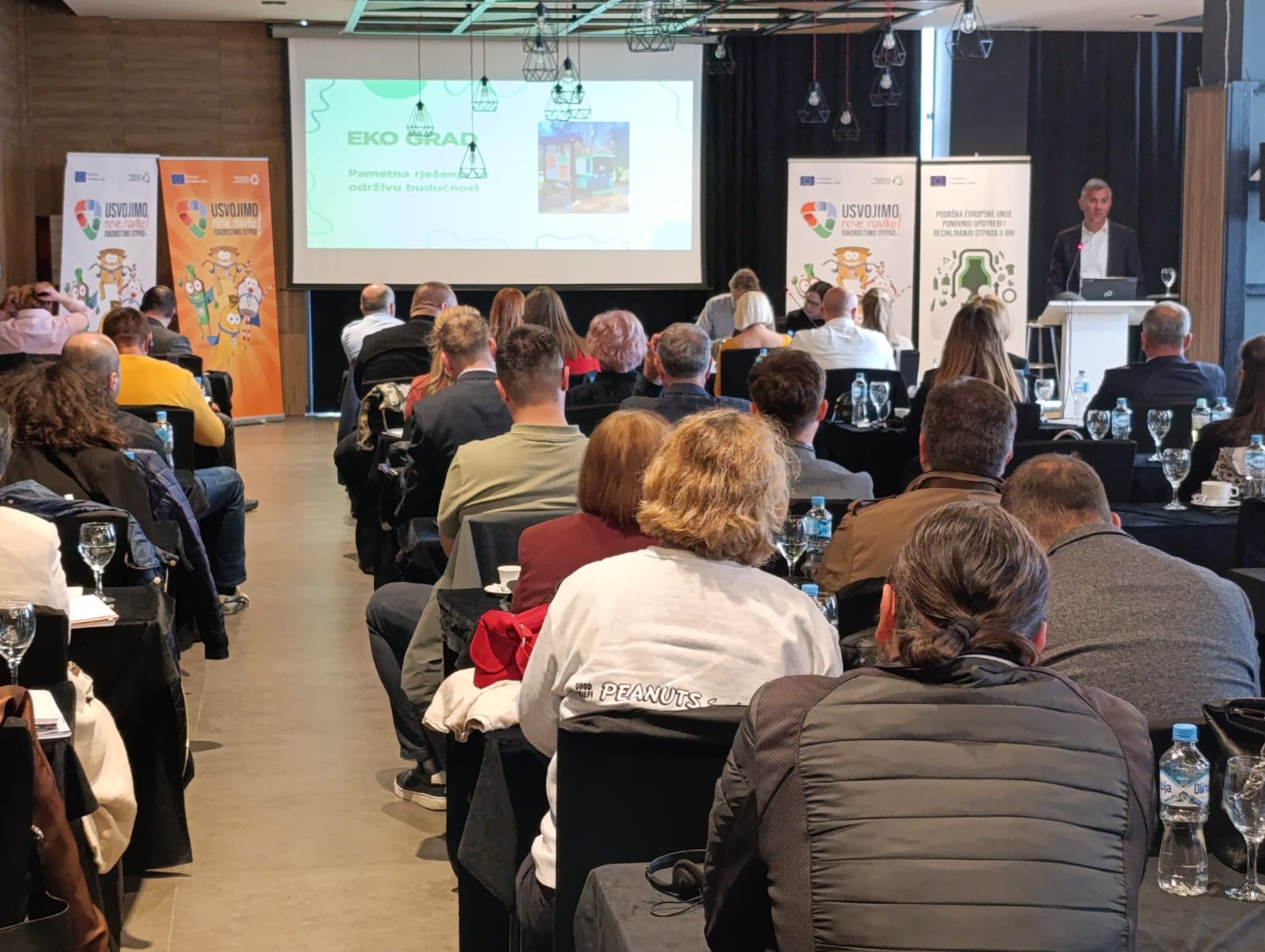
A standout feature of the event was the Best Practice Showcase, which brought the circular economy to life through real examples from Bosnian businesses. Companies from across different sectors demonstrated how they are redesigning products, rethinking processes, and reducing waste in ways that create both environmental and commercial value.
Presentations were given by Ekopak, Eko Grad and Brick.block.ba. These case studies showed that circular principles are already being successfully applied within the local context. By sharing their experiences openly, the showcase created a space for learning, collaboration, and inspiration.
Collaboration as the Catalyst
One of the strongest themes emerging from the conference was the importance of collaboration. The transition to a circular economy cannot be achieved by any single stakeholder alone. It requires coordinated action between government institutions, municipalities, businesses, financial organisations, and citizens.
The event successfully created a forum for this multi-stakeholder dialogue, enabling participants to exchange ideas, build partnerships, and contribute to shaping a shared vision for the future. From waste management planning to public awareness and behavioural change, the message was clear: progress depends on alignment, cooperation, and sustained commitment.
Looking Ahead
As Bosnia and Herzegovina continues its path towards EU integration and sustainable development, the Circular Economy Conference in Sarajevo represents an important step forward.
CETAP would like to thank all of our speakers at the conference, as well as all of the stakeholders who attended the event.

Empowering the Next Generation: Trashformers Competition Inspires Circular Thinking
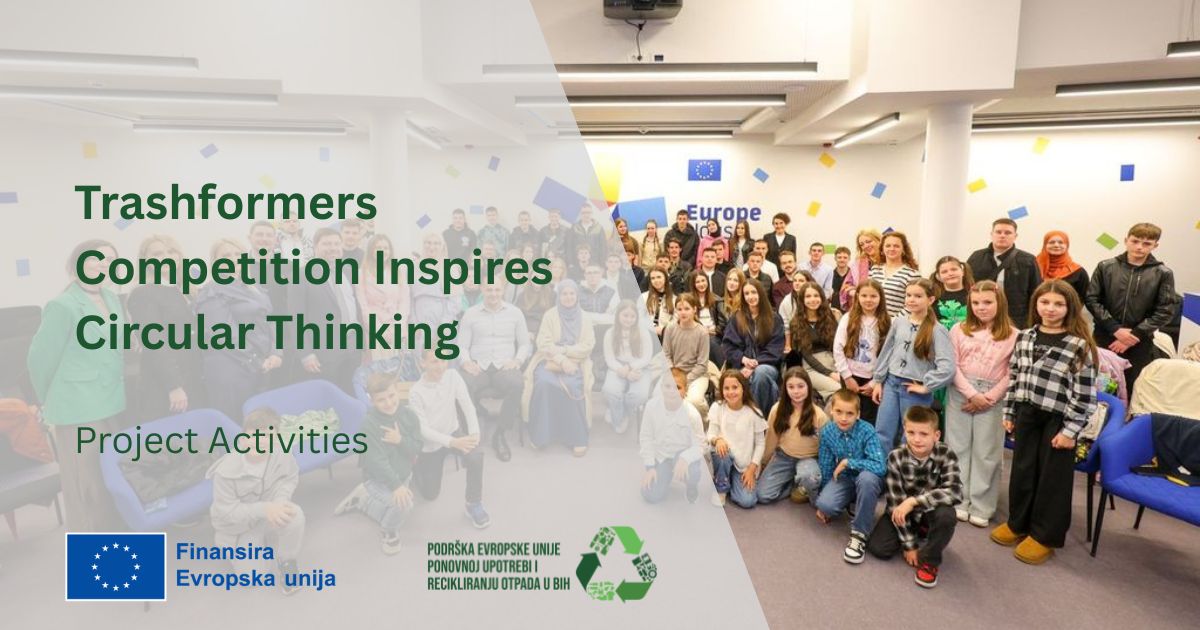
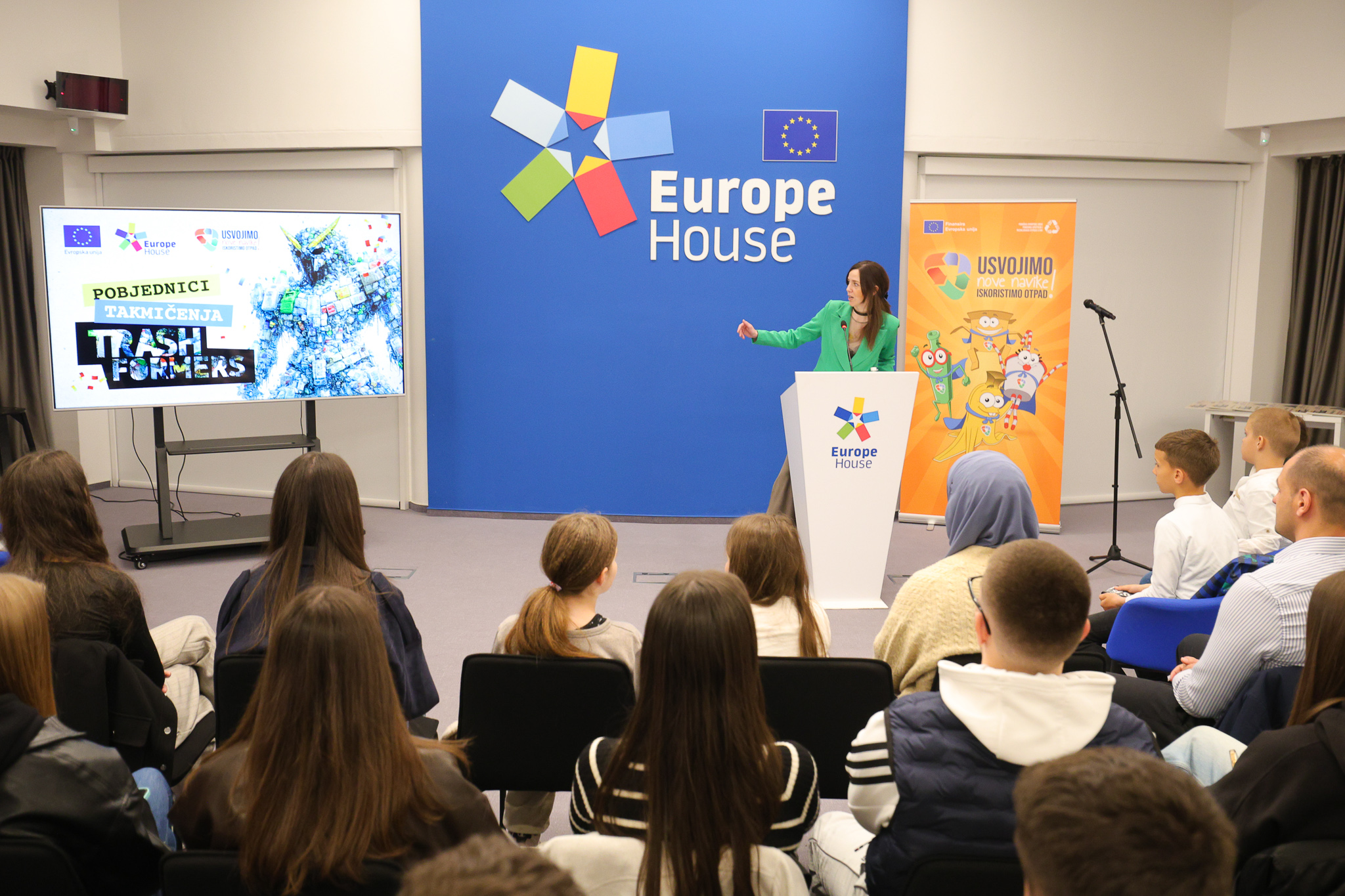
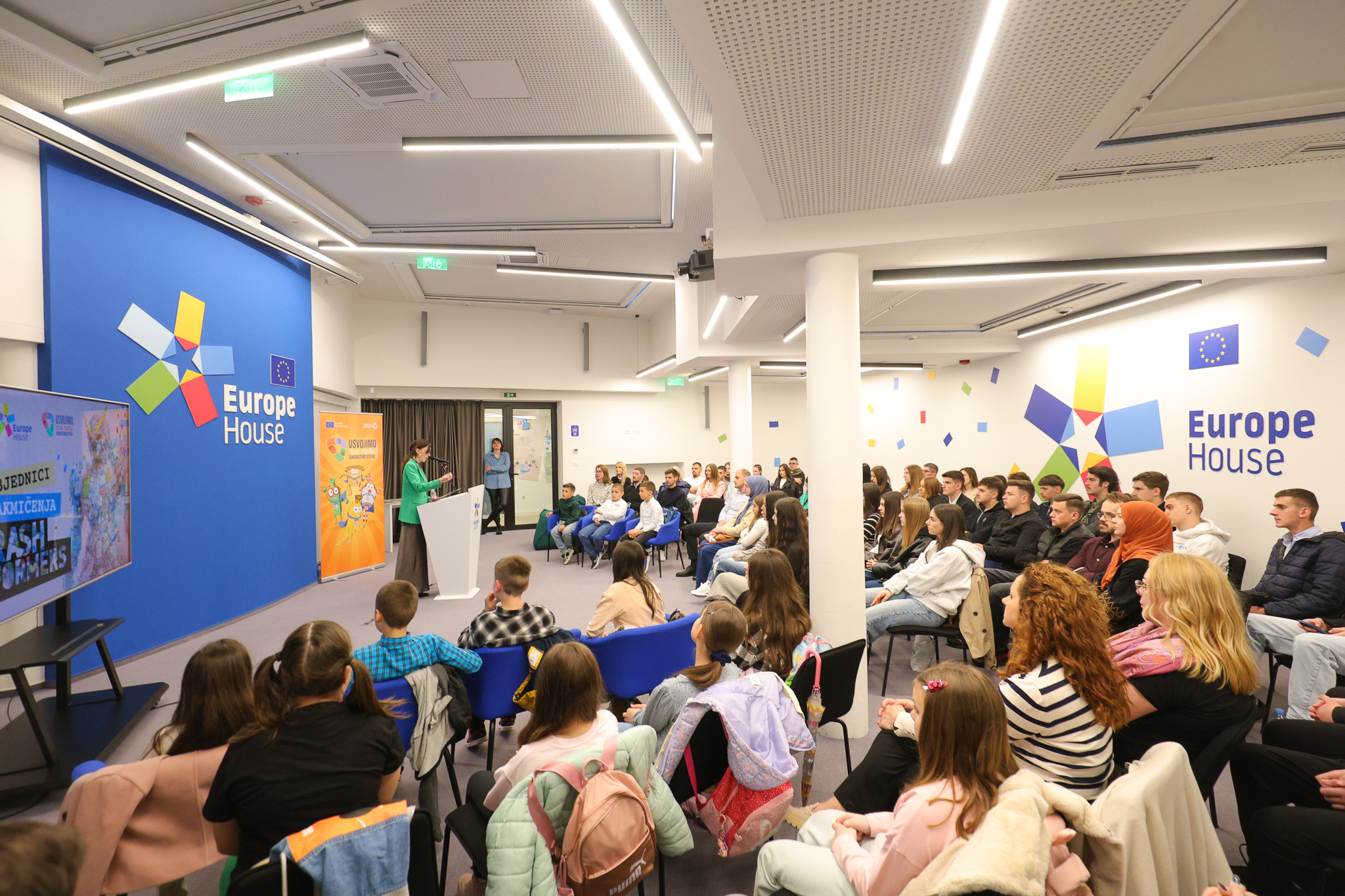
The Trashformers competition, delivered in partnership between Europe House and CETAP, has once again demonstrated the power of education in driving meaningful behavioural change. Bringing together schools from across Bosnia and Herzegovina, the initiative challenged students to develop creative, practical solutions focused on reducing waste and promoting circular economy principles within their schools and local communities.
This year’s competition saw an impressive 47 submissions from primary and secondary schools nationwide, reflecting both the growing awareness of environmental issues and the enthusiasm of young people to be part of the solution. Following a rigorous evaluation process, 20 schools were shortlisted for peer voting, culminating in the selection of six outstanding winning teams—three from primary schools and three from secondary schools. Their projects showcased not only creativity, but a clear understanding of how everyday actions can contribute to a more sustainable future.
Celebrating Innovation and Impact
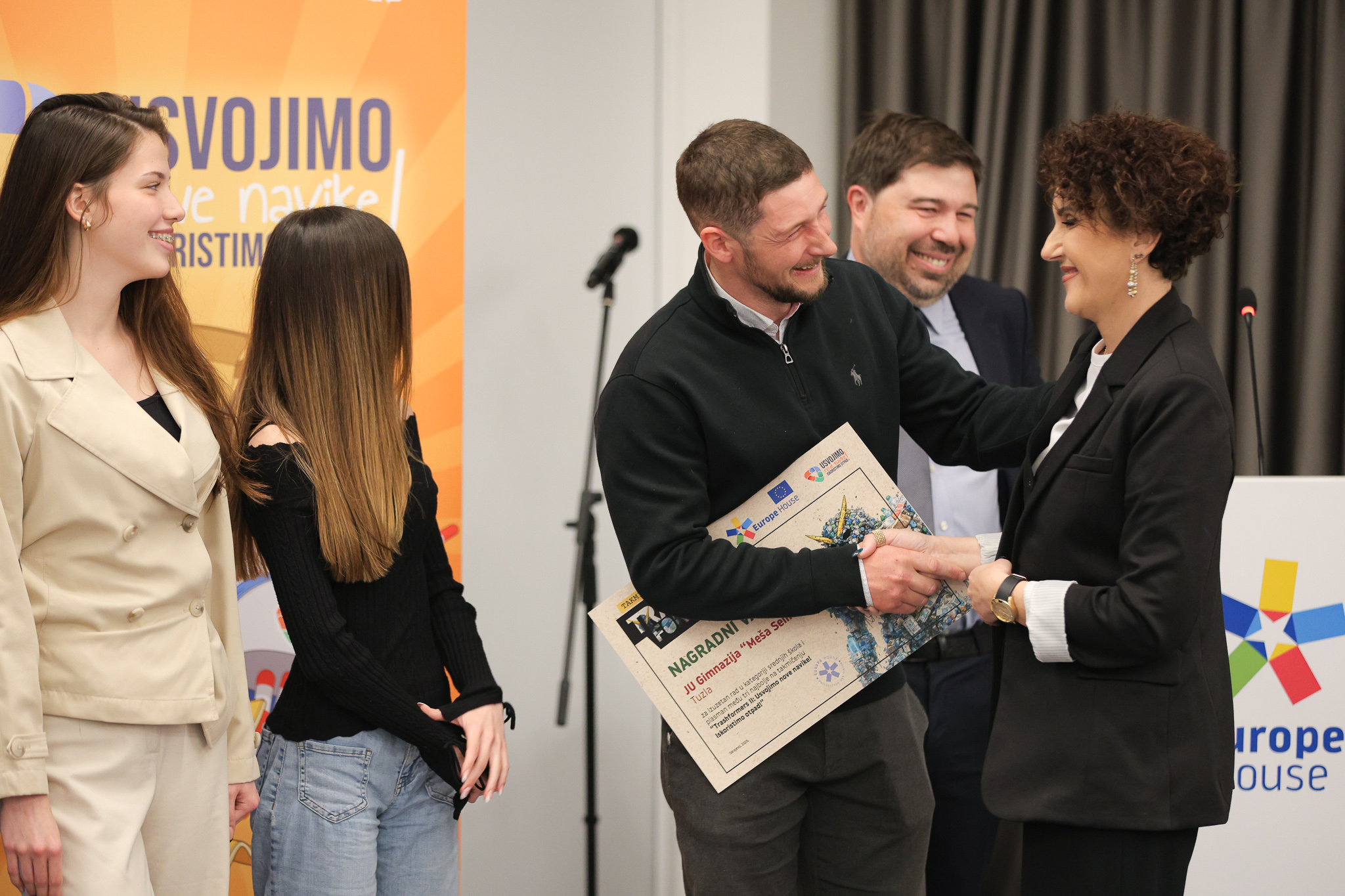
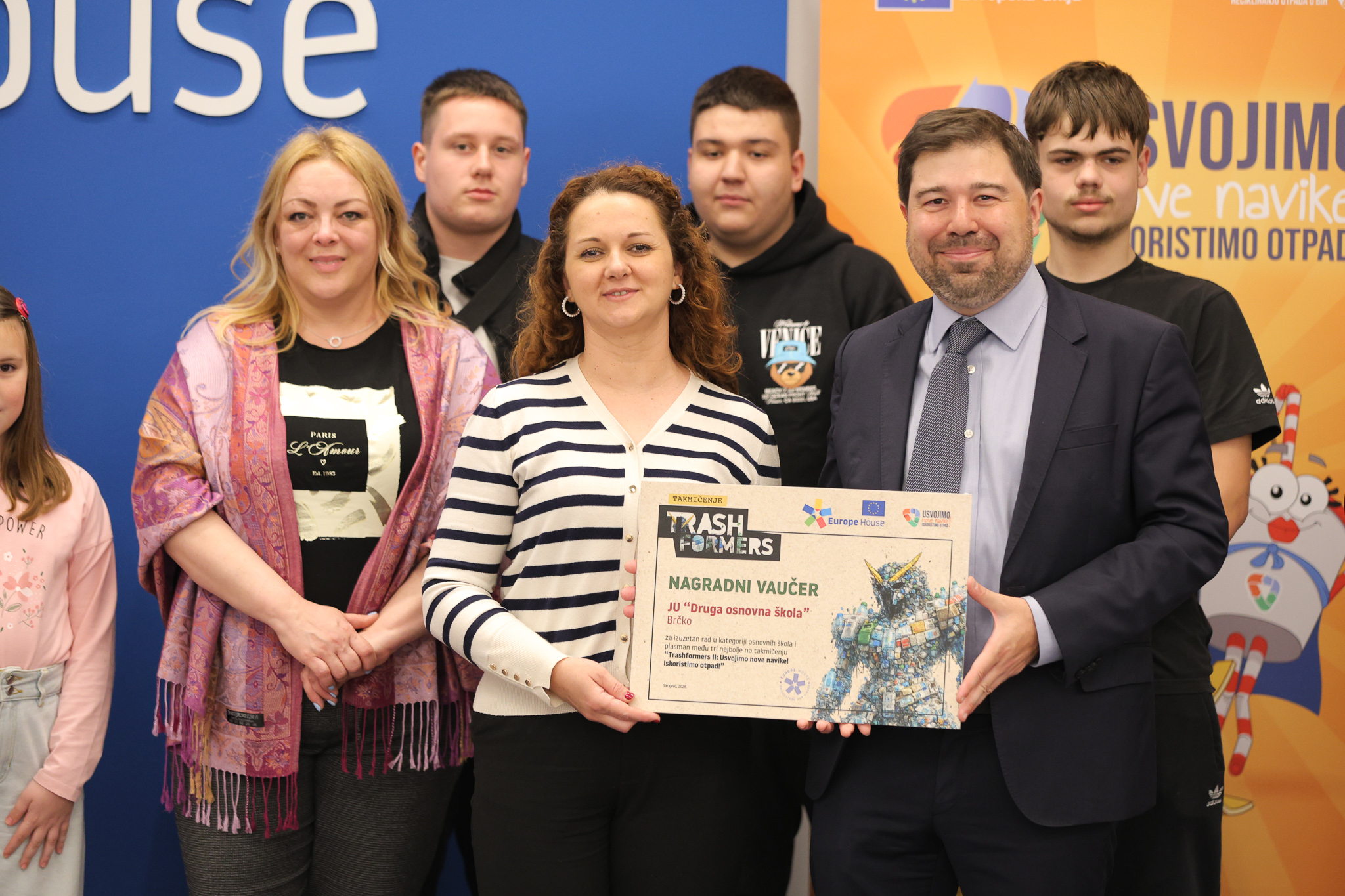
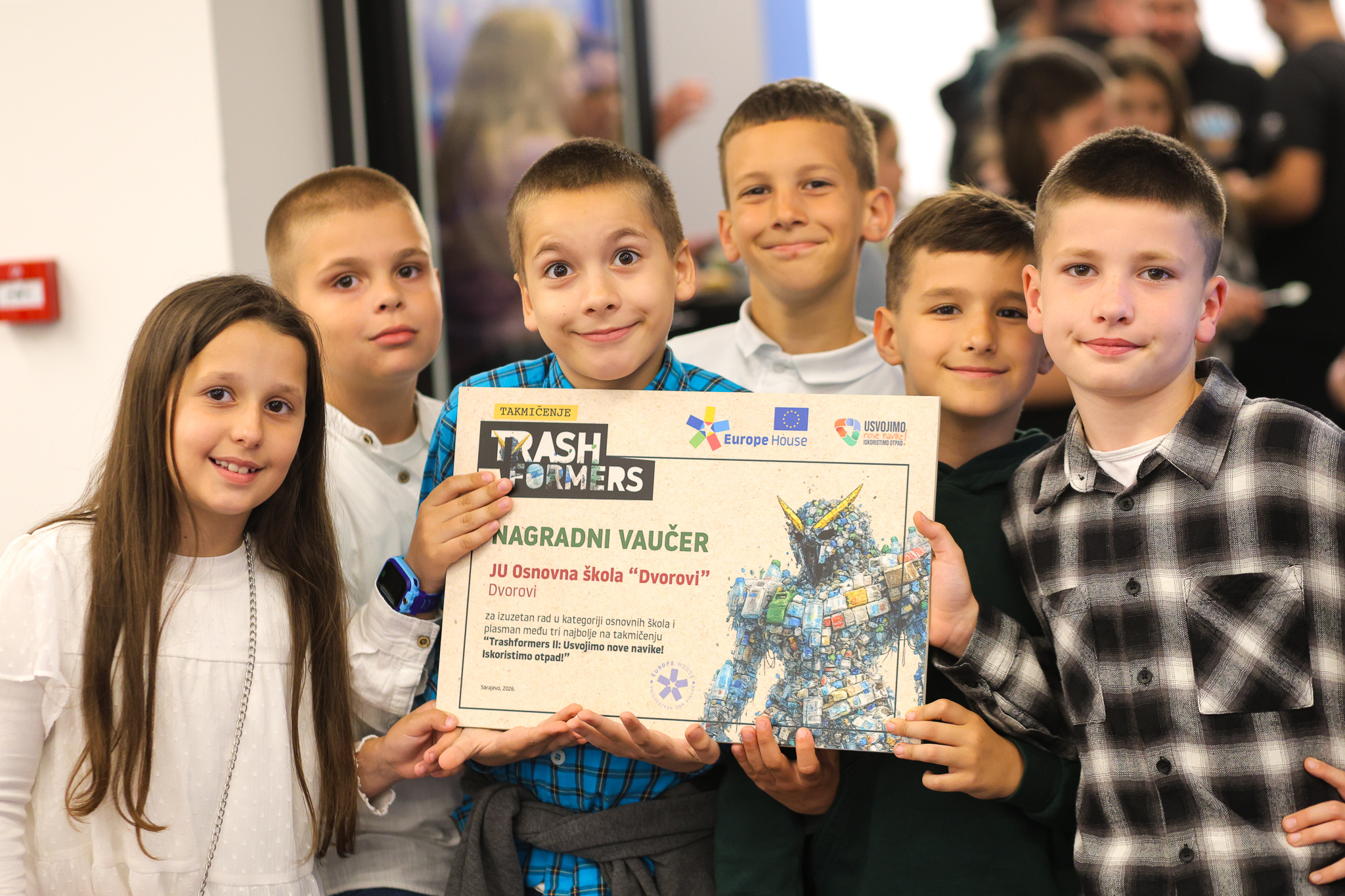
The six winning schools—Druga osnovna škola Brčko, Četvrta osnovna škola Brčko District, Osnovna škola “Dvorovi”, Gimnazija “Meša Selimović” Tuzla, Srednja škola Konjic, and Srednjoškolski centar “Nedžad Ibrišimović” Ilijaš—stood out for their ability to translate circular economy concepts into tangible, community-focused initiatives. From reuse and recycling projects to awareness campaigns and creative redesigns of waste materials, their work highlighted the diversity of approaches to sustainability already emerging across the country.
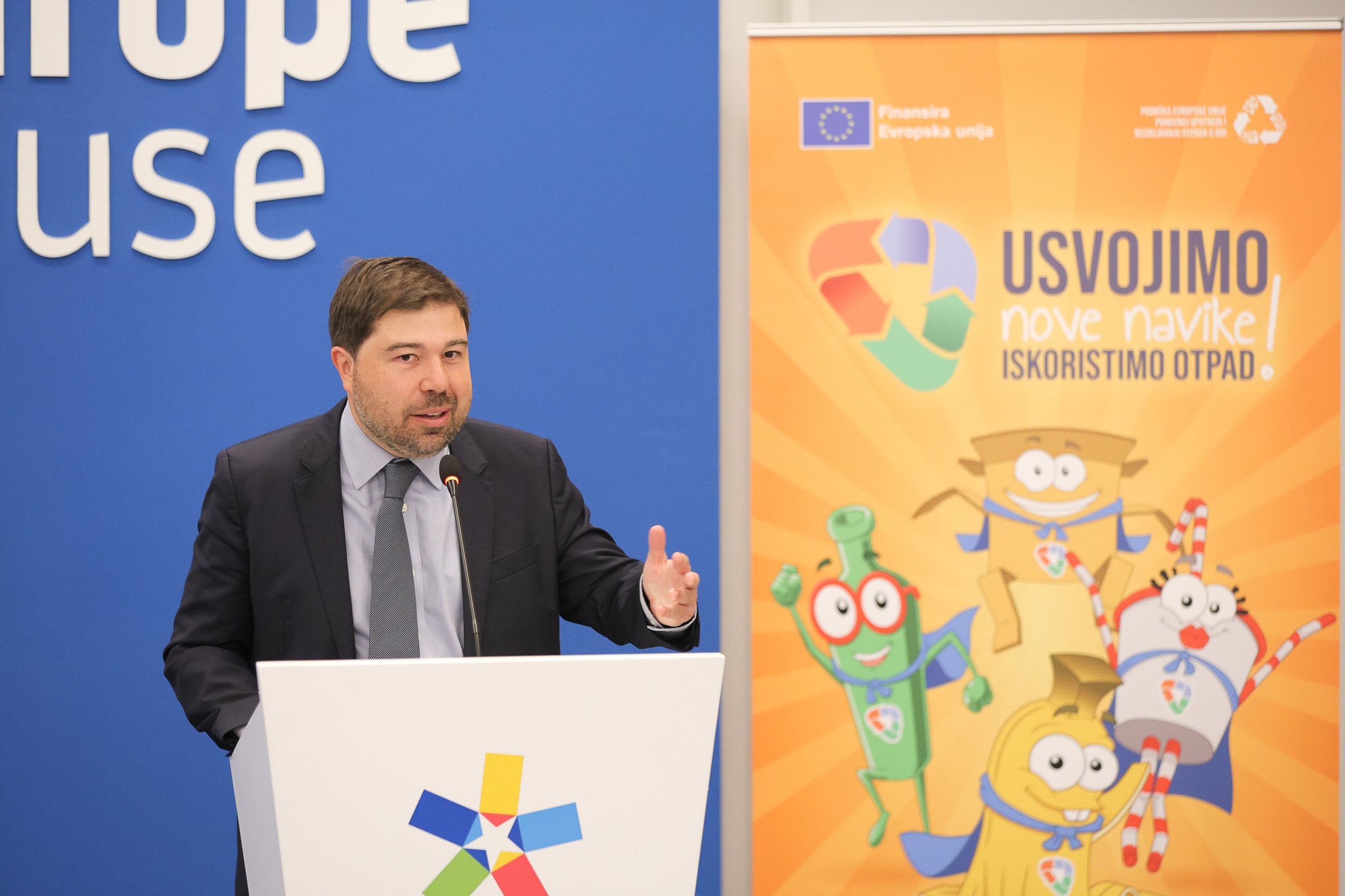
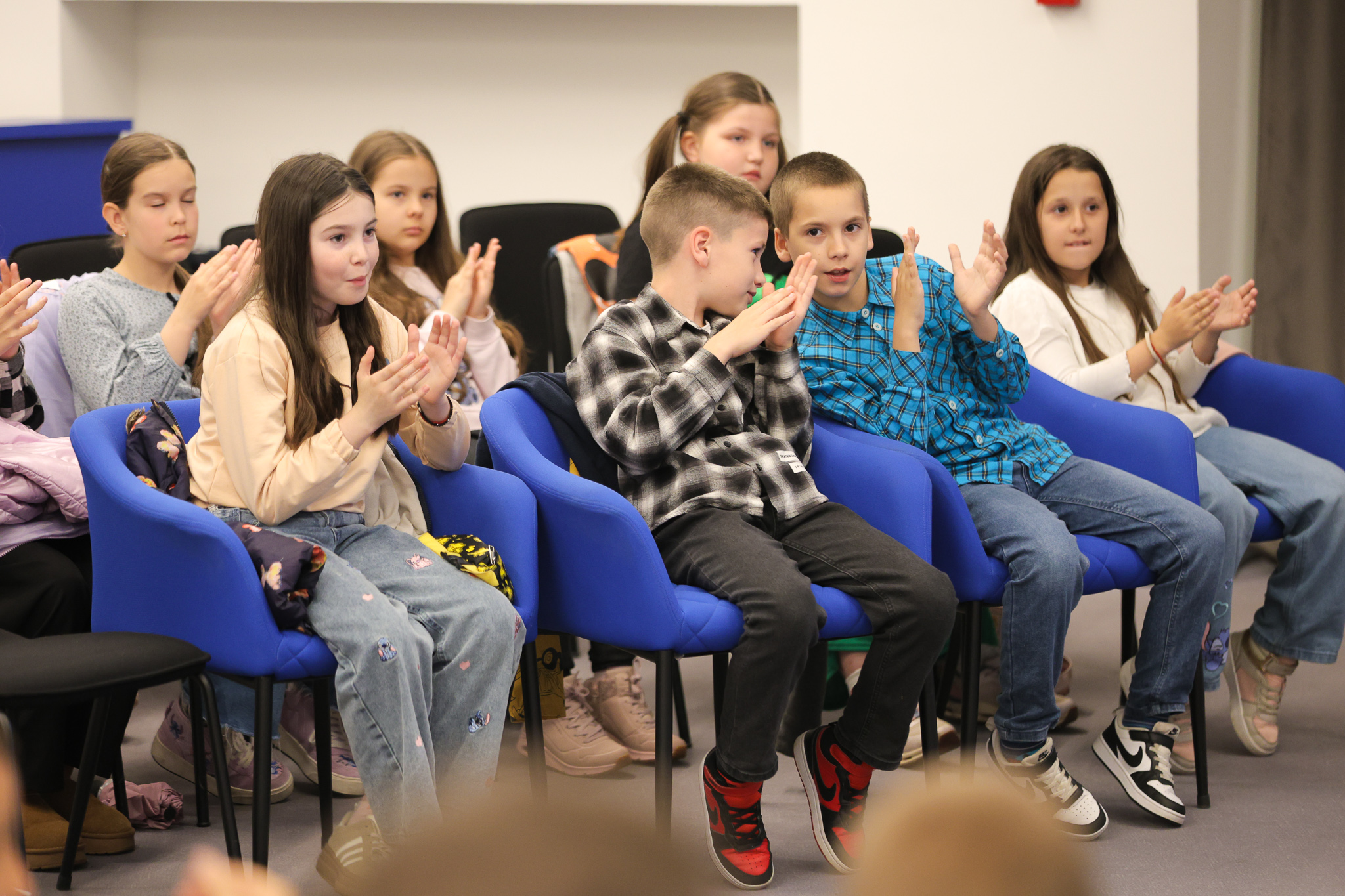
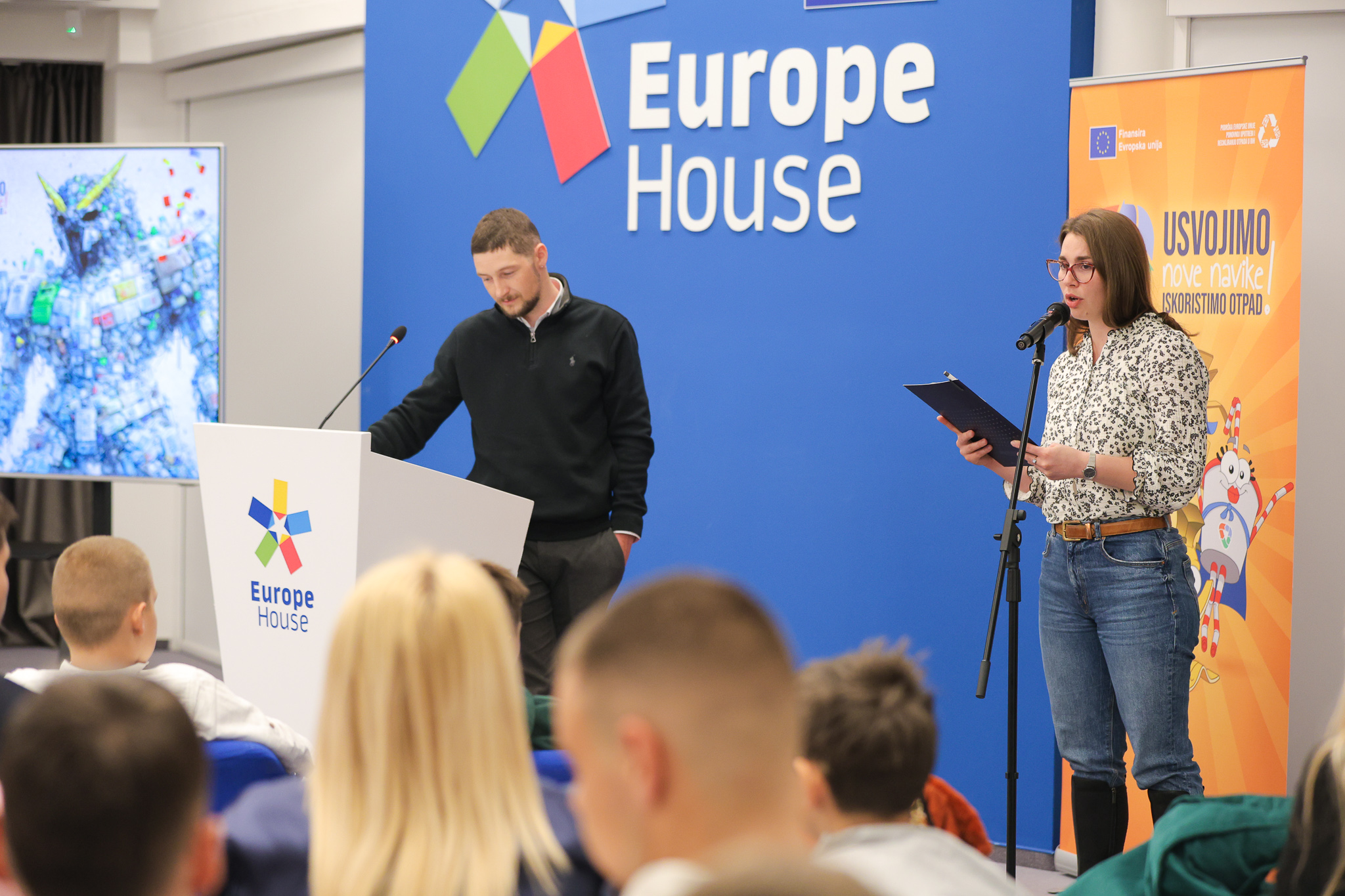
The award ceremony, hosted at Europe House in Sarajevo, brought together students, teachers, and partners to celebrate these achievements. It was a powerful reminder that when young people are given the platform and encouragement to act, they respond with energy, optimism, and innovation.
Turning Ideas into Experience
As part of their reward, each winning team will take part in an eco-excursion to a nature park within Bosnia and Herzegovina. Designed to extend learning beyond the classroom, these trips will give students the opportunity to connect directly with the natural environment they are working to protect. Each excursion includes transport, refreshments, and guided educational activities, ensuring a meaningful and memorable experience for all participants.
CETAP will fund five of the winning teams, with Europe House supporting one team as well as delivering the overall competition and award ceremony. This collaborative approach reflects a shared commitment to investing in young people as key drivers of long-term change.
Building a Lasting Legacy
Trashformers is more than a competition—it is part of a broader effort to embed circular economy thinking into everyday life across Bosnia and Herzegovina. By engaging students at an early stage, the initiative helps build the awareness, knowledge, and attitudes needed to support a long-term transition towards more sustainable behaviours.
Crucially, the competition also reinforces the importance of partnerships. By working together, CETAP and Europe House have created a platform that not only educates but inspires, ensuring that the impact of the campaign extends well beyond its immediate activities.
As these students take their ideas back into their schools and communities, they become ambassadors for change—proving that the transition to a circular economy starts with the habits we build today.
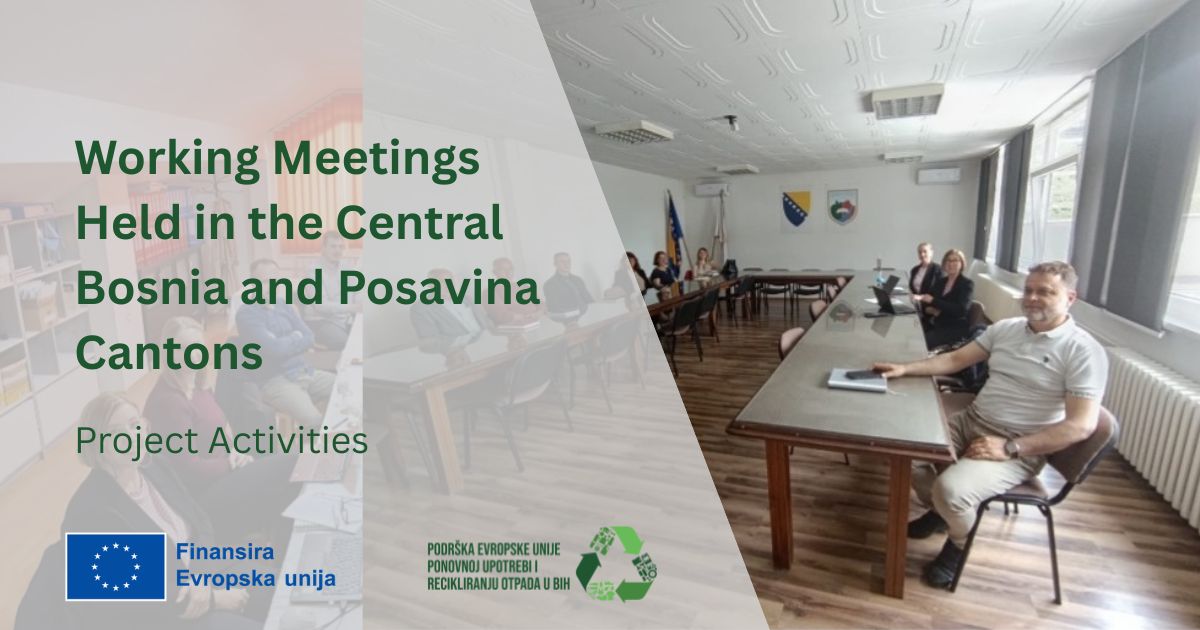
Working Meetings Held in the Central Bosnia and Posavina Cantons
Within the framework of the CETAP project (Technical Assistance for Enhanced Material Recovery from
Waste through Separate Collection, Reuse, and Recycling based on Circular Economy Principles),
working meetings were held in the municipalities of Dobretići, Travnik, and Kiseljak in the Central Bosnia
Canton, as well as in Domaljevac in the Posavina Canton.
The meetings were attended by representatives of municipalities and public utility companies,
appointed to working groups on waste management, with the aim of collecting relevant data on the
current state of waste management systems at local and cantonal levels.
The focus of the meetings was on analysing existing capacities, infrastructure, collection and disposal
systems, as well as identifying key challenges and needs within the waste management sector. The
collected information will serve as a basis for the development of municipal and cantonal waste
management plans, in line with circular economy principles and applicable legal frameworks.
The CETAP project aims to improve waste management systems by strengthening institutional
capacities, enhancing planning processes, and introducing modern solutions in the field of
environmental protection.
These meetings represent an important step towards the preparation of high-quality and
implementable planning documents that will contribute to more efficient and sustainable waste
management across the Federation of Bosnia and Herzegovina.