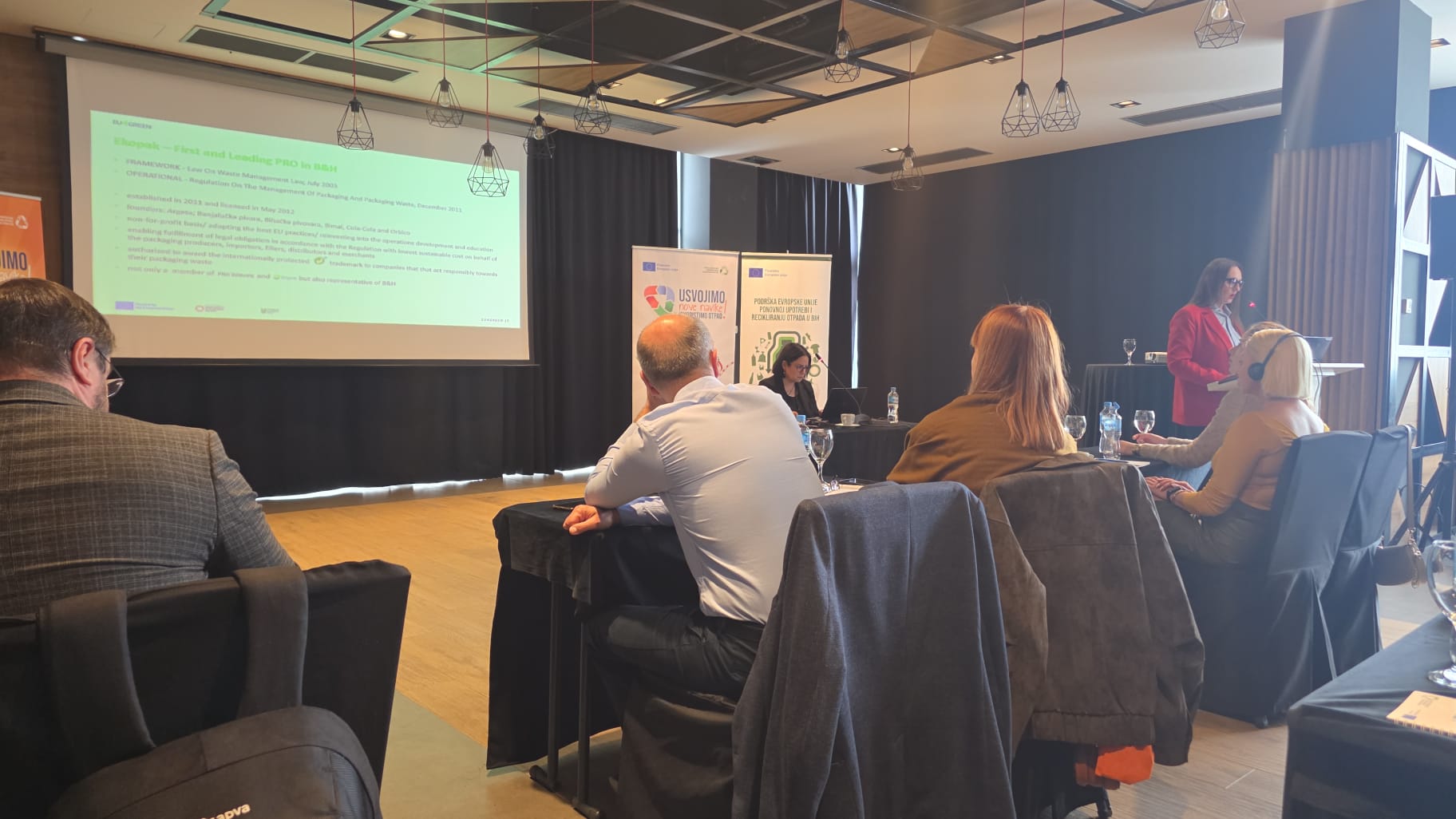
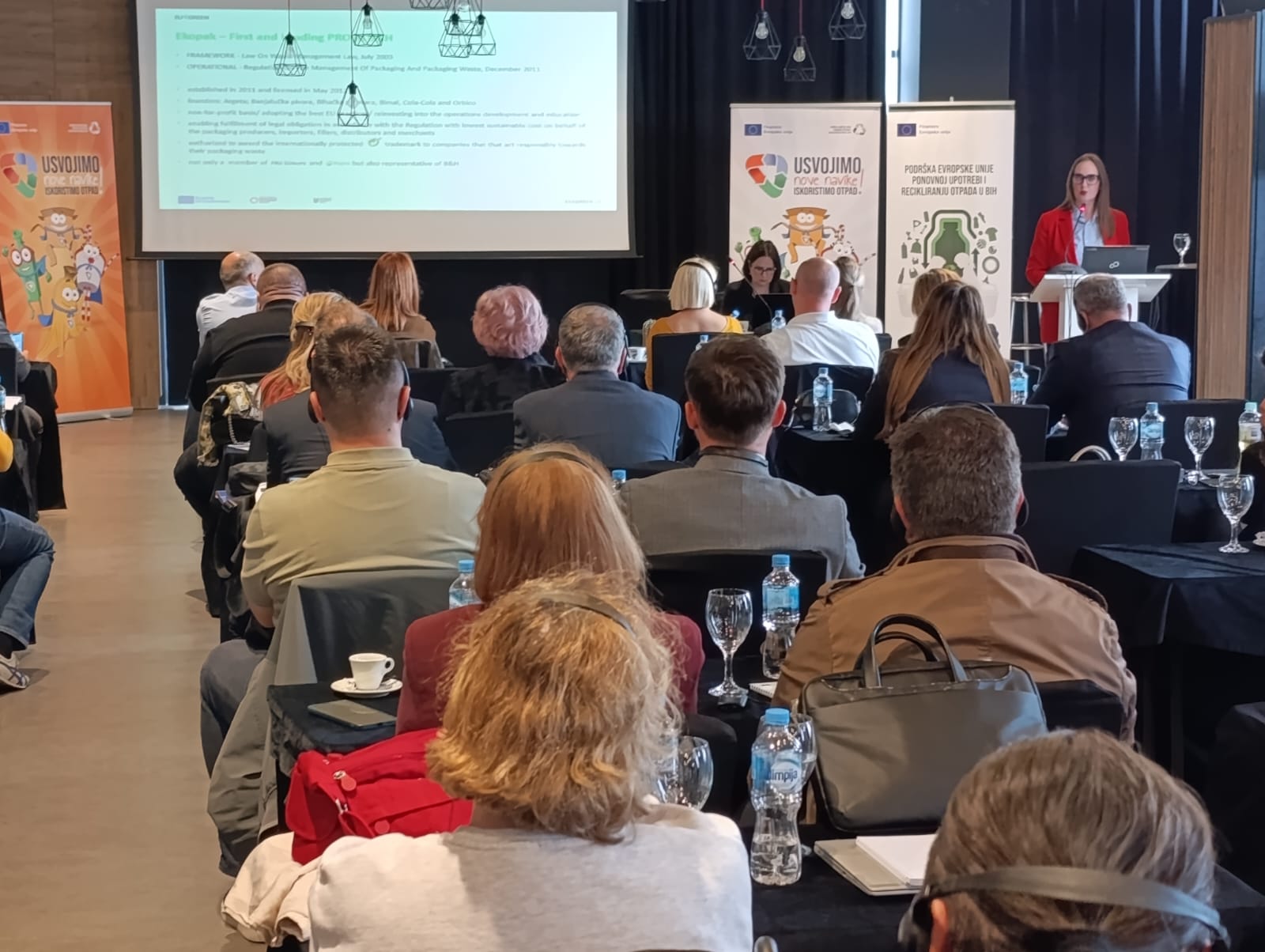
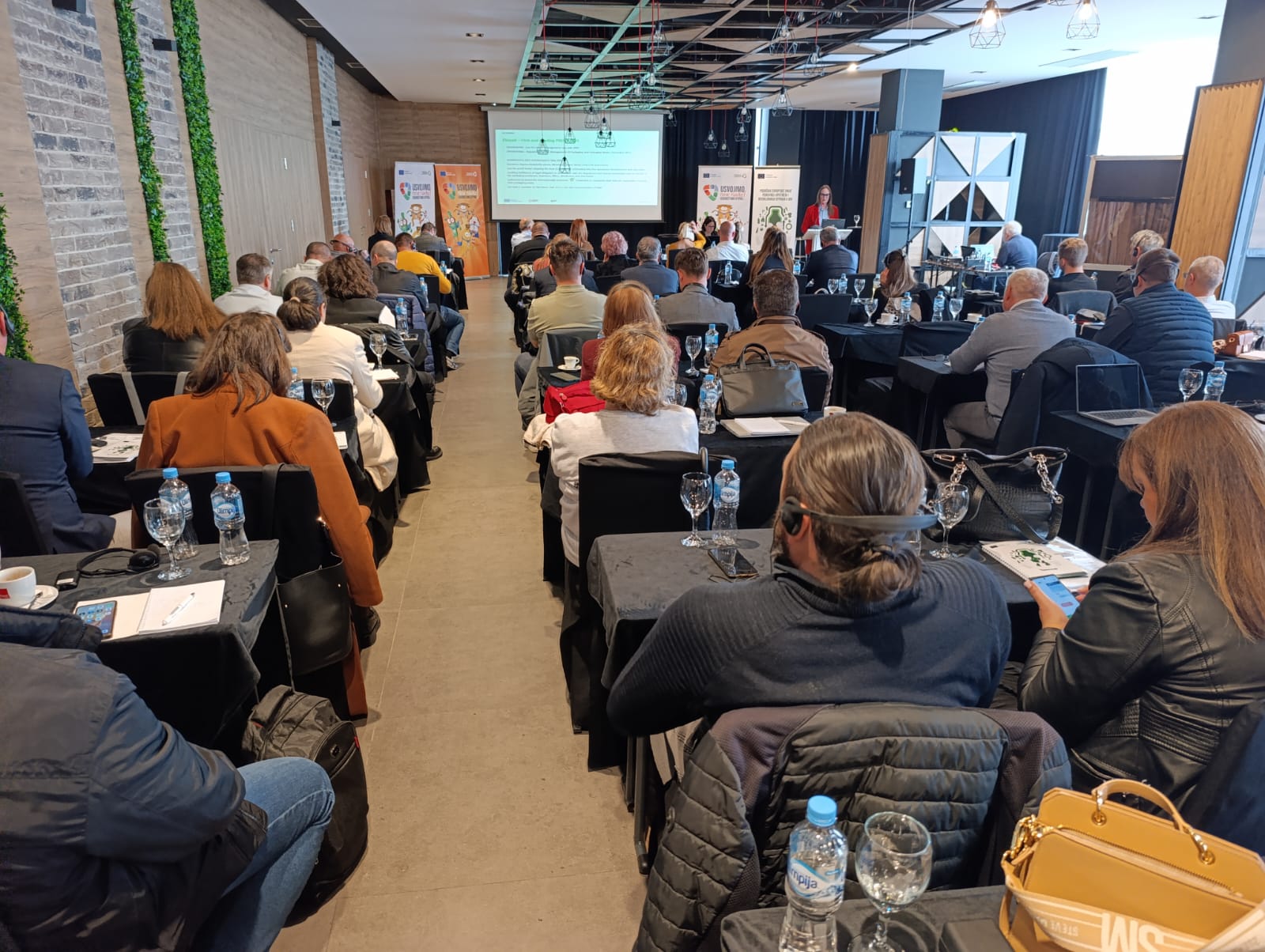
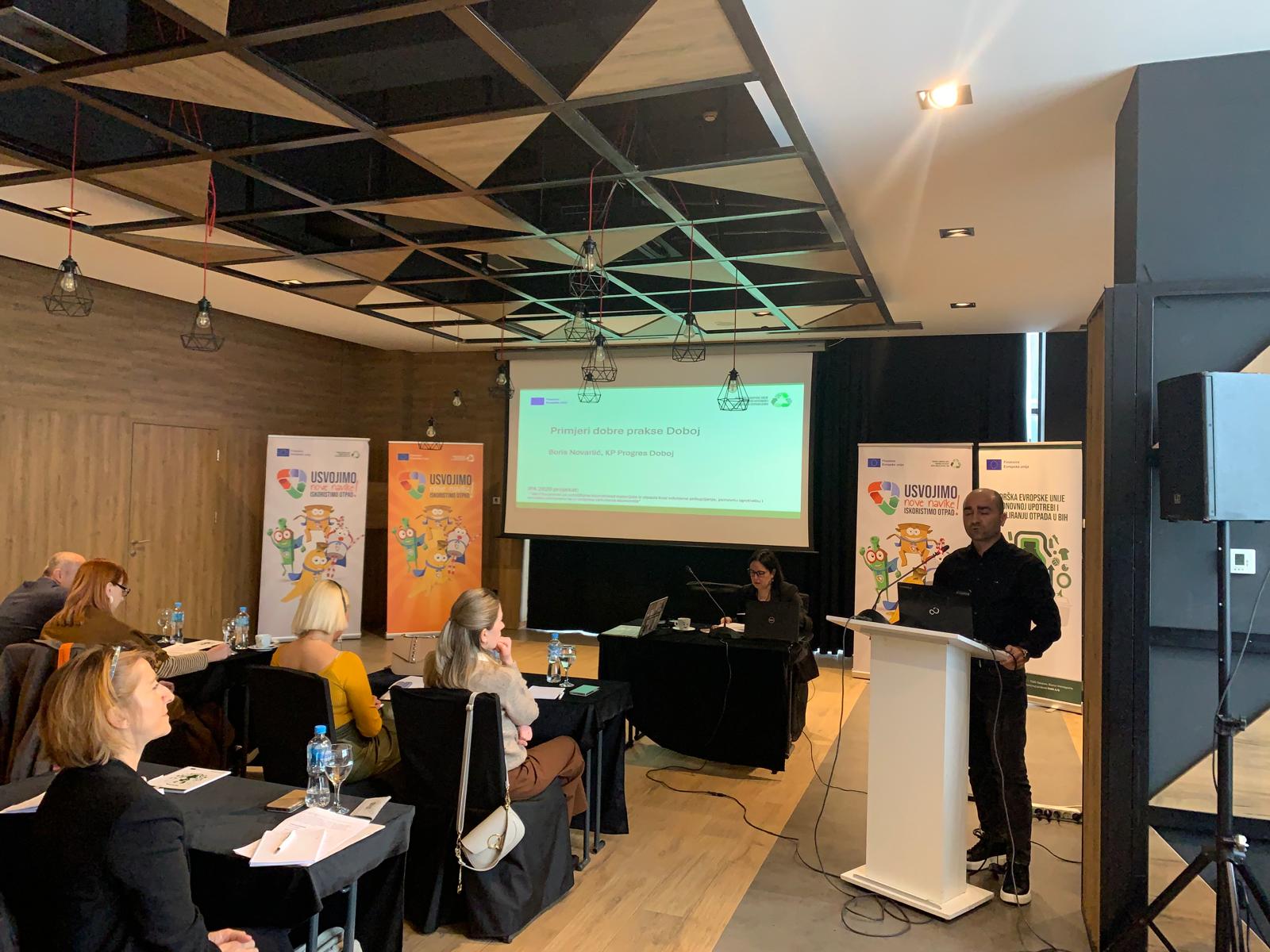
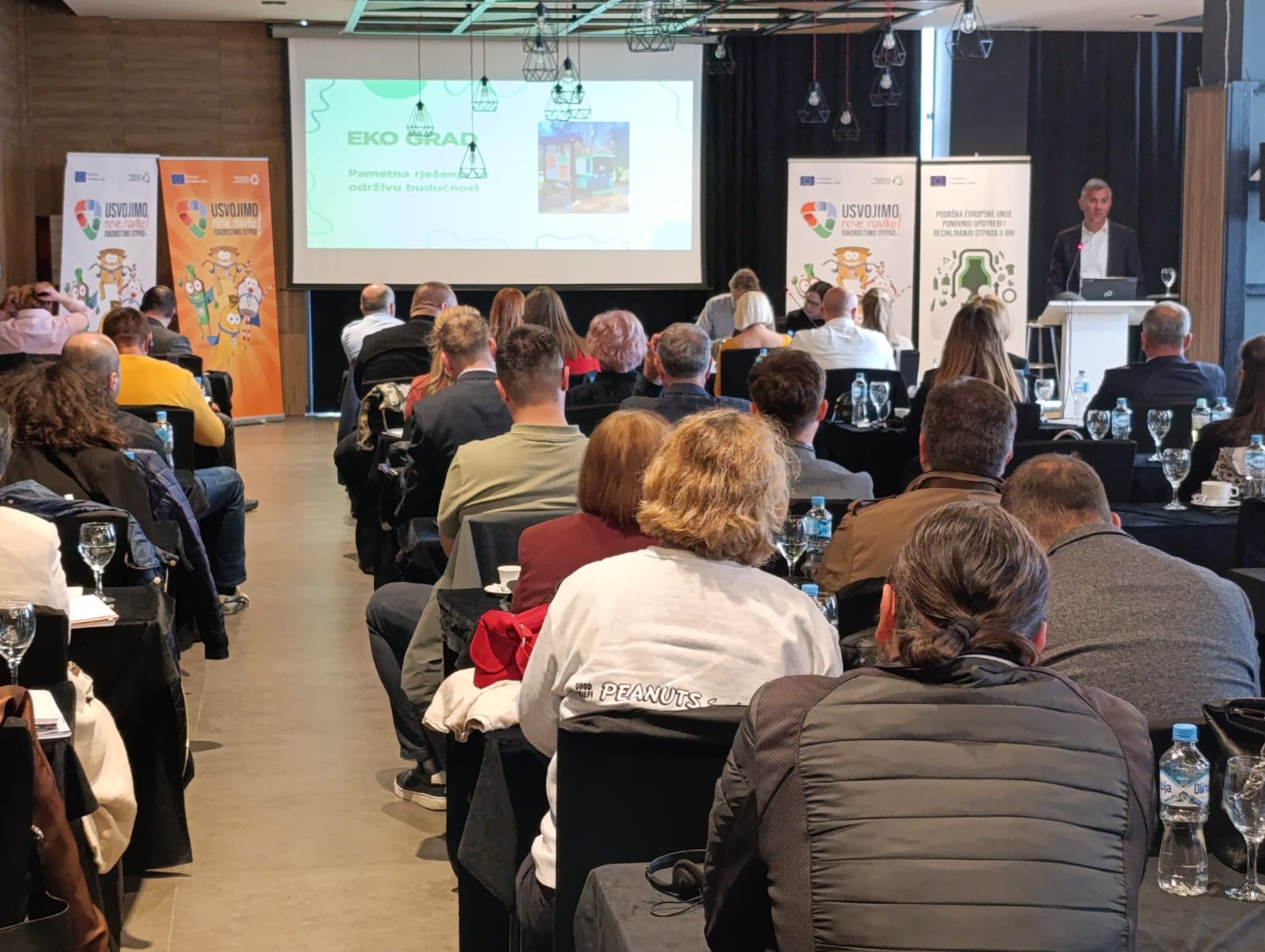
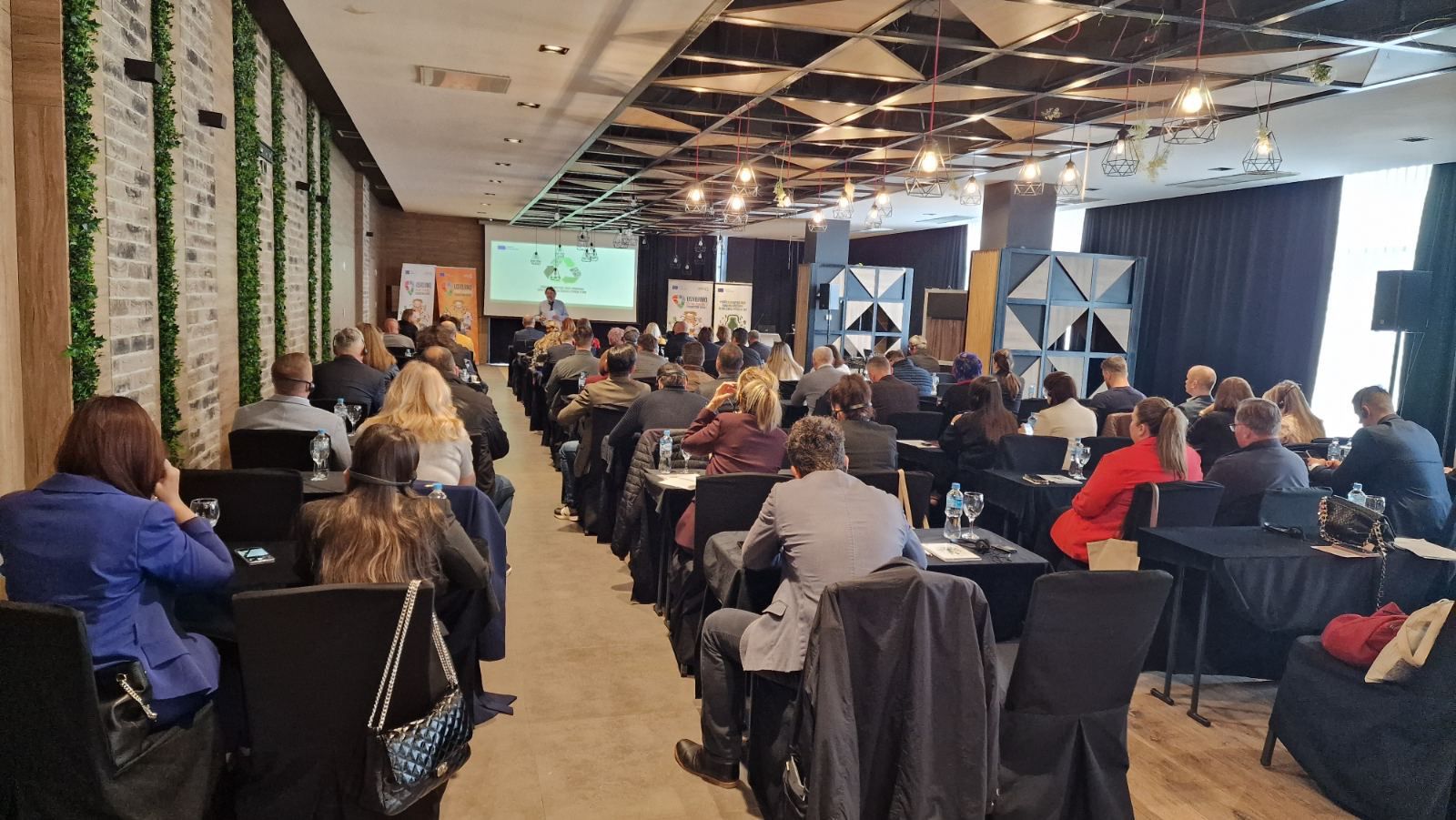
On 21 April 2026, CETAP hosted our Circular Economy Conference as part of Bosnia and Herzegovina’s sustainability journey. Bringing together industry leaders, institutions, and environmental experts from across Europe and the Western Balkans, the conference marked a pivotal moment in advancing the country’s transition from a linear to a circular economic model.
At a time when alignment with EU environmental legislation is becoming increasingly critical, the event provided a platform to move beyond theory and into action. Central to the discussions was the presentation of CETAP’s Study on the Market Potential for Circular Economy Principles in Special Waste Categories, which outlined the current state of circularity in Bosnia and Herzegovina and set out clear, actionable recommendations for progress. The study highlighted both the opportunities and structural challenges facing the country, offering a roadmap to support policy development, investment planning, and practical implementation.
From Policy to Practice
The conference programme explored key pillars of the circular transition, including EU policy frameworks, Extended Producer Responsibility (EPR), and the financial mechanisms required to support systemic change. Sessions led by international and regional experts demonstrated how legislative tools and economic incentives can be used to drive behavioural and operational change across sectors.
Crucially, the event reinforced that the circular economy is not just an environmental ambition—it is an economic opportunity. Discussions around financing models and cost-benefit dynamics made it clear that circularity can unlock efficiency gains, reduce long-term costs, and improve resilience across Bosnia and Herzegovina’s economy.
Showcasing Local Innovation
A standout feature of the event was the Best Practice Showcase, which brought the circular economy to life through real examples from Bosnian businesses. Companies from across different sectors demonstrated how they are redesigning products, rethinking processes, and reducing waste in ways that create both environmental and commercial value.
Presentations were given by Ekopak, Eko Grad and Brick.block.ba. These case studies showed that circular principles are already being successfully applied within the local context. By sharing their experiences openly, the showcase created a space for learning, collaboration, and inspiration.
Collaboration as the Catalyst
One of the strongest themes emerging from the conference was the importance of collaboration. The transition to a circular economy cannot be achieved by any single stakeholder alone. It requires coordinated action between government institutions, municipalities, businesses, financial organisations, and citizens.
The event successfully created a forum for this multi-stakeholder dialogue, enabling participants to exchange ideas, build partnerships, and contribute to shaping a shared vision for the future. From waste management planning to public awareness and behavioural change, the message was clear: progress depends on alignment, cooperation, and sustained commitment.
Looking Ahead
As Bosnia and Herzegovina continues its path towards EU integration and sustainable development, the Circular Economy Conference in Sarajevo represents an important step forward.
CETAP would like to thank all of our speakers at the conference, as well as all of the stakeholders who attended the event.