From bottles to new habits: the story behind BiH’s reciklomat machines
What happens when recycling becomes something people can do on their way through their city, with a clear benefit for taking part? In Bosnia and Herzegovina, Ekograd’s reciklomat machines offer one answer. Three years after introducing its smart reverse vending machines, the company says they have registered approximately 20 million returned bottles.
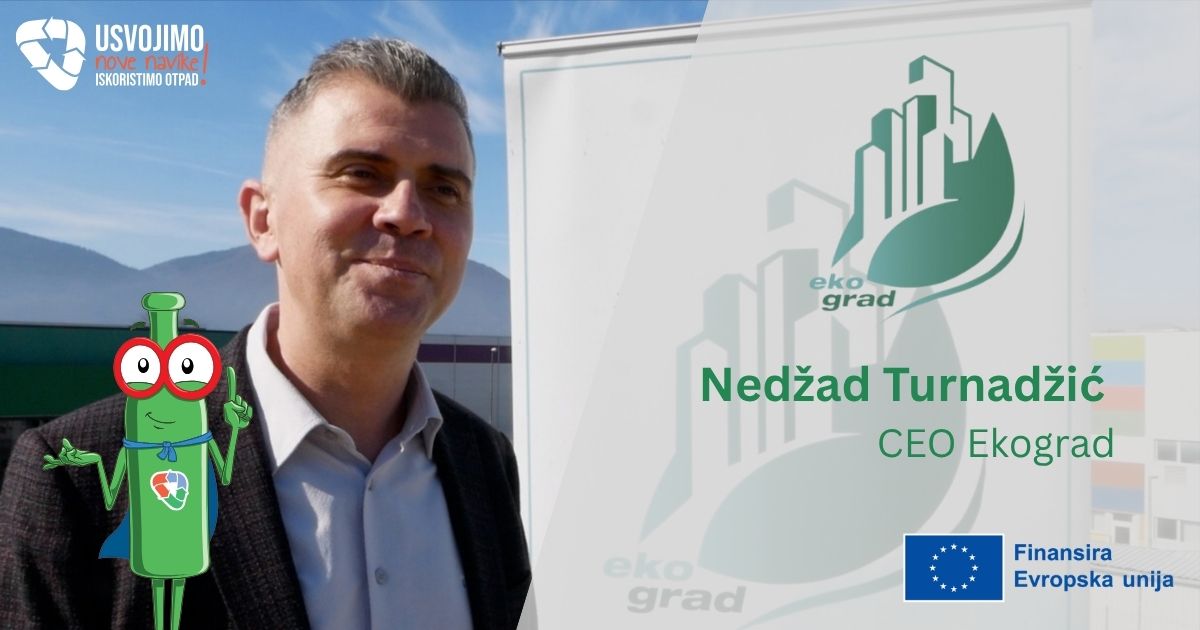
In an interview about the project, Nedžad Turnadžić, CEO of Ekograd, explains that the machines began with an ambition to protect the environment and improve the places people share. With no deposit return system in BiH, the company developed its own way to reward people for returning used packaging through a range of benefits.
The response, Nedžad says, was strong from the outset and has continued. The registered total covers containers recognised by the machines. Ekograd believes the actual number returned may be higher, as some people deposit items without selecting a benefit. The machines collect plastic, glass and aluminium packaging, helping to keep valuable material in circulation.
A new habit starts young
For Ekograd, one of the most encouraging results is about more than volume. The representative describes nursery and school groups visiting the machines regularly, sometimes arriving together by bus or minibus. Teachers use the visits to explain recycling, show children how the reciklomats work and make the activity part of a lesson.
Children can see the link between an item they have used and the action of returning it. In the interview, Ekograd identifies this younger generation as central to the project’s purpose. The company also describes users of many ages, from pupils to pensioners, taking part.
Partnership makes the system work
Ekograd describes Sarajevo’s public utility company RAD as a strategic partner from the beginning. The interview acknowledges that practical cooperation takes time, while emphasising how the partners’ different strengths help the project move forward.
The company wants more public institutions, businesses and other partners to join it so that returning packaging becomes convenient for more people. It says its machines are technically ready to support a future deposit return system, in which people would receive money for eligible packaging, once the necessary legal framework is in place.
Ekograd is also considering ways to process collected plastic and make products from recycled material. Those remain ambitions for the future.
A practical example of circular change
The reciklomat story illustrates the aim of CETAP’s public awareness campaign, “Let’s adopt new habits! Let’s use waste!” The machines give people a practical way to act on that message. Ekograd’s reported collection total points to participation at scale, while the school visits show how returning packaging can also become a lesson that children carry home.
Ekograd’s wider hope is for recycling to become a normal responsibility, supported by collection points people can readily use. Its experience over three years suggests that people will take part when given the opportunity.
The approximately 20 million figure is Ekograd’s estimate of containers registered by its machines, as stated in the interview.
Watch the Interview below: