As part of CETAP’s public-awareness campaign, “Let’s adopt new habits. Let’s use waste.”, a material destined for disposal was transformed into a couture dress and showcased on one of Bosnia and Herzegovina’s most prominent cultural stages: the Sarajevo Film Festival.
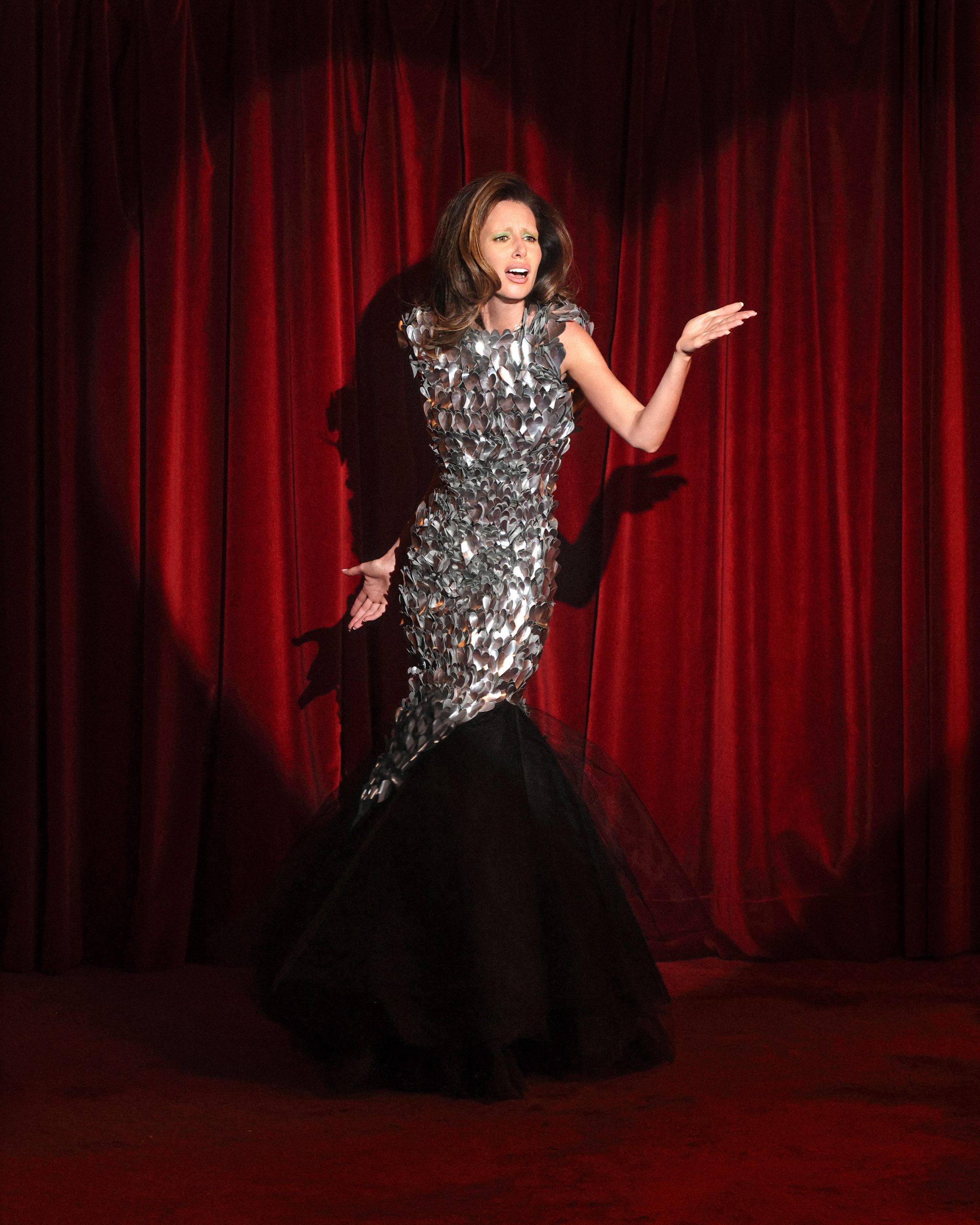
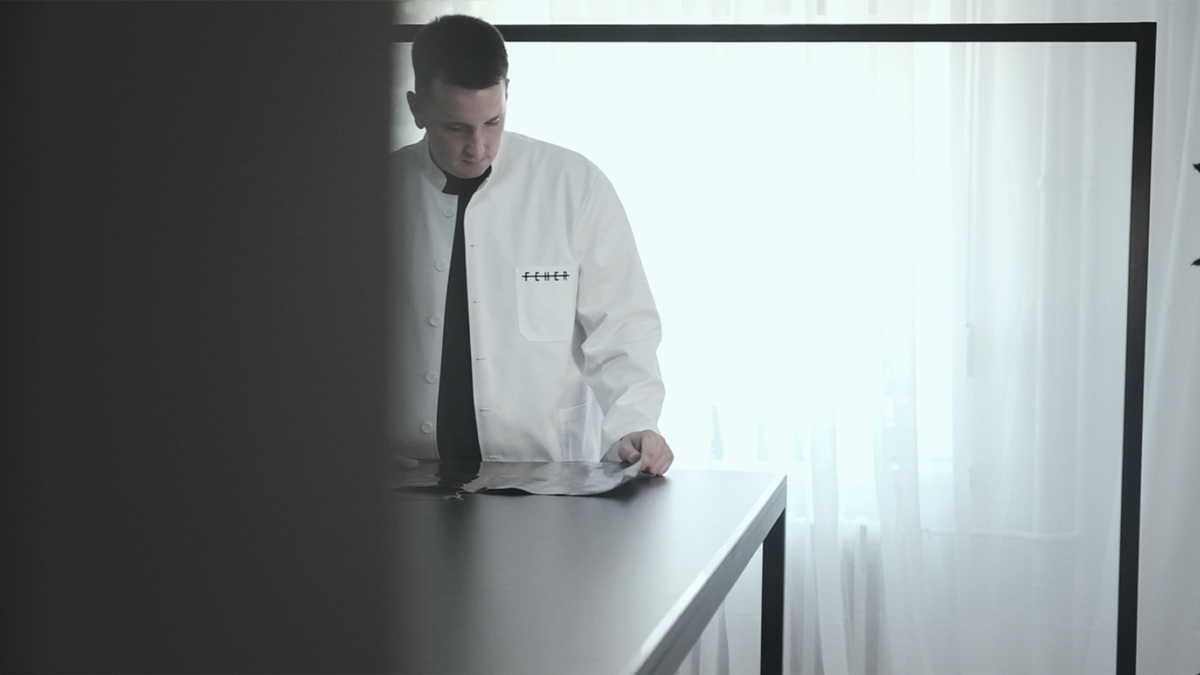
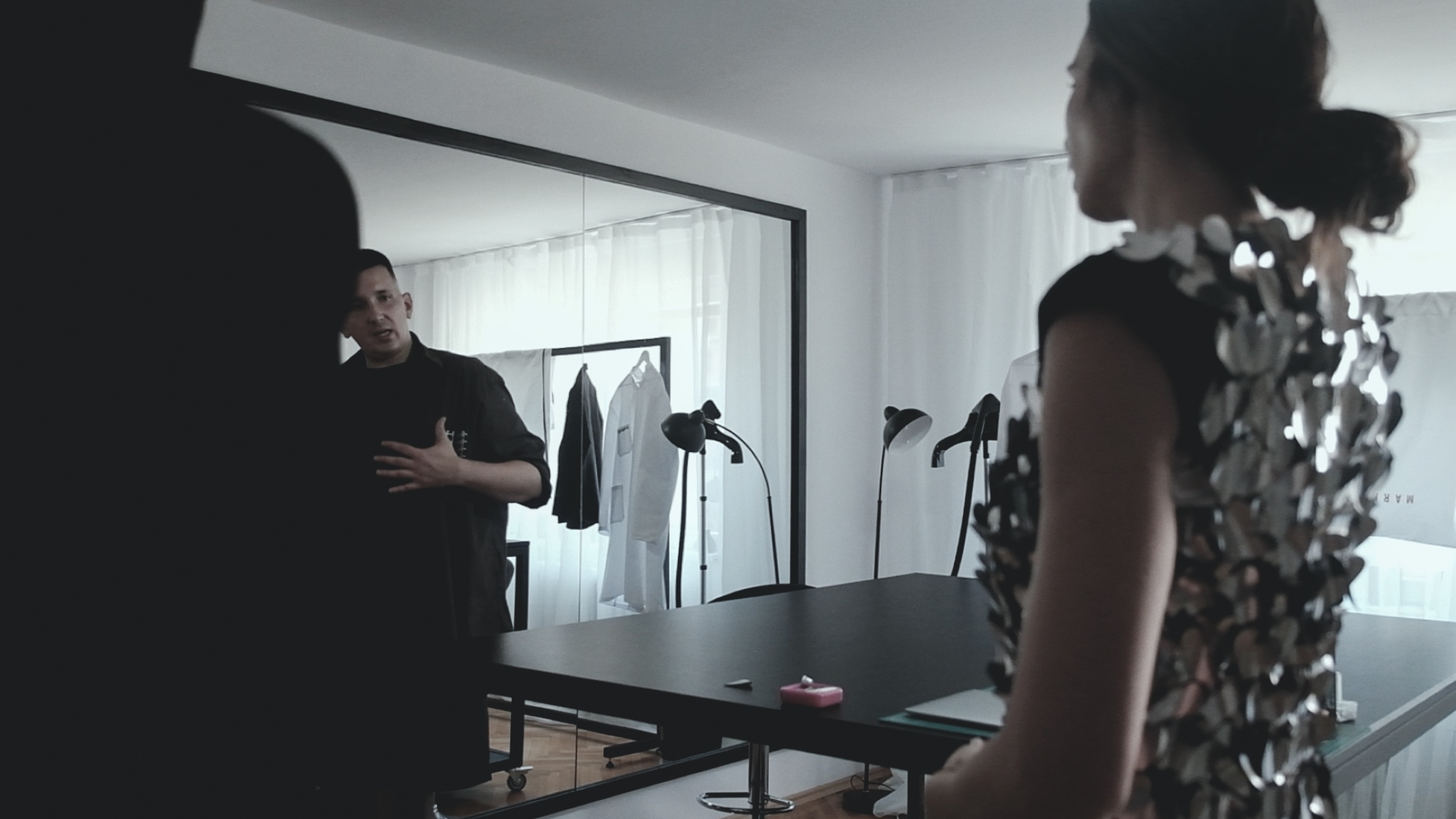
Worn on the red carpet by model Sarah Čerkez, the striking creation by designer Marko Feher, produced in collaboration with Eterna, demonstrated a central message of CETAP’s campaign: what we perceive as waste can still have value.
Turning the campaign message into something tangible
The “Let’s adopt new habits. Let’s use waste.” campaign aims to encourage people across Bosnia and Herzegovina to reconsider their relationship with waste. Instead of viewing discarded materials solely as something to be thrown away, the campaign promotes reuse, recycling and more responsible consumption.
For this initiative, the campaign message was brought to life through fashion and design.
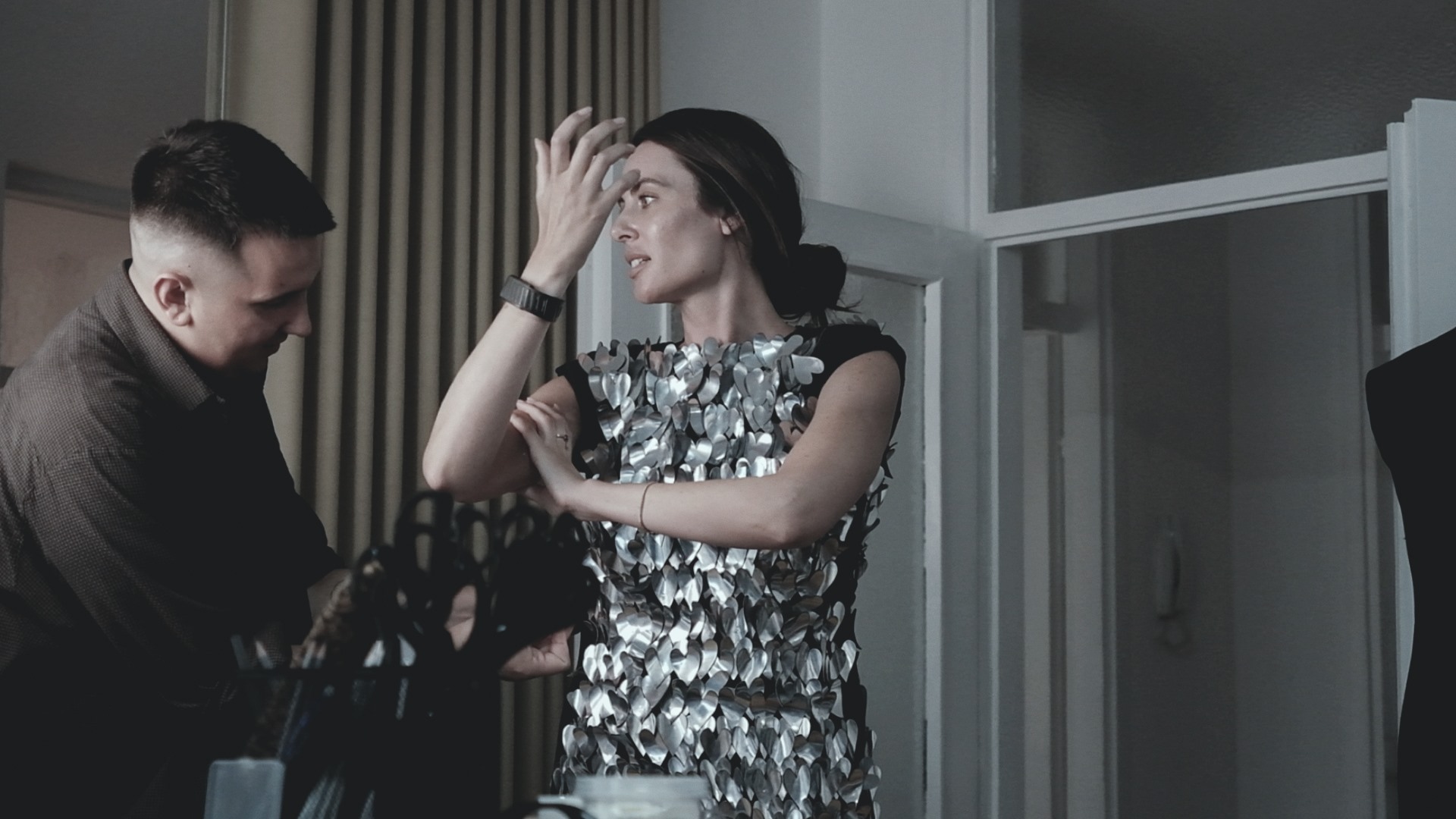
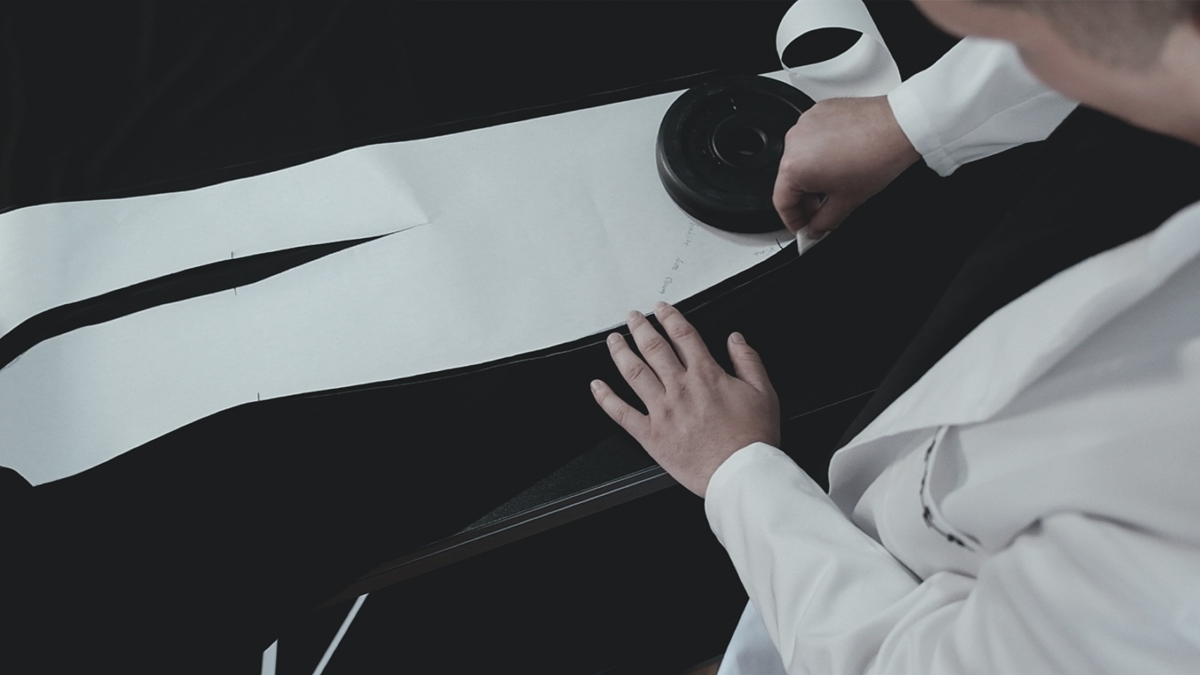
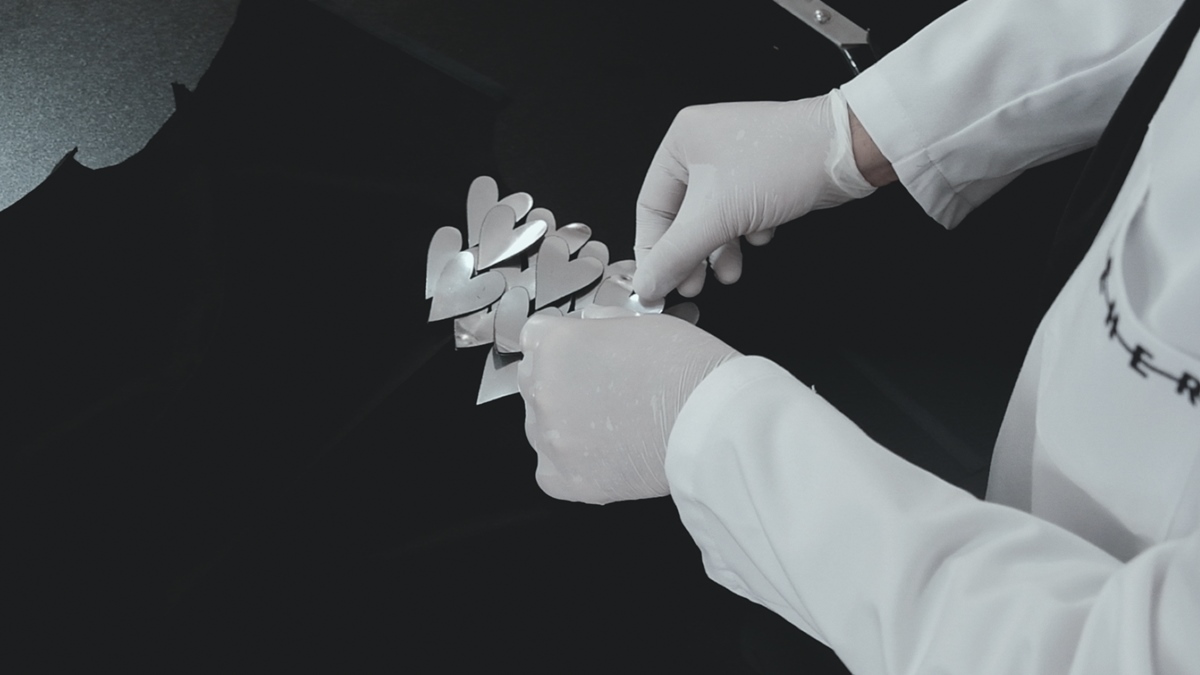
As featured on Vogue Adria, approximately two and a half metres of damaged faux leather had originally been destined for disposal. Rather than allowing the material to become waste, it was laser-cut into around 2,000 individual heart-shaped pieces.
The pieces were carefully positioned to make maximum use of the available surface before being assembled into the dress’s intricate metallic bodice. The finished creation combined these repurposed elements with a dramatic black skirt, transforming a damaged material into a distinctive couture garment.
Presented on the Sarajevo Film Festival red carpet, the dress became more than a fashion statement. It offered a highly visible example of how creativity and innovation can change our perception of waste.
Waste can become a resource
In a linear economy, materials are produced, used and then discarded. Products that are damaged, left over or no longer suitable for their original purpose can quickly be classified as waste, even when they retain the potential to be used again.
The CETAP campaign encourages a different way of thinking. Before throwing something away, we should ask whether it can be repaired, reused, recycled or transformed into something new.
The dress worn by Sarah Čerkez illustrates this shift in perspective. The damaged faux leather did not need to be returned to its original purpose to retain value. Through imaginative design and precise production techniques, it was given an entirely new function.
While one dress cannot resolve the wider environmental challenges associated with waste or the fashion industry, it can communicate an important principle: materials do not necessarily lose their value simply because they are no longer suitable for their first intended use.
Using creativity to inspire new habits
The transition to a circular economy requires more than new legislation, technologies and waste-management infrastructure. It also depends on changing everyday attitudes and behaviours.
Creative initiatives can make this change feel relevant and achievable. By presenting repurposed waste as part of a couture creation, the project transformed the concept of circularity from an abstract idea into something visible, memorable and inspiring.
Showcasing the dress at Sarajevo Film Festival also enabled the CETAP campaign to reach audiences beyond traditional environmental discussions. It demonstrated that sustainability and creativity can work together—and that reusing existing materials does not have to mean compromising on beauty, quality or ambition.
Instead, limitations can become a source of inspiration. Materials that appear damaged, unwanted or unusable can encourage designers, businesses and individuals to experiment with new techniques and possibilities.
Changing how Bosnia and Herzegovina perceives waste
The “Let’s adopt new habits. Let’s use waste.” campaign supports CETAP’s wider work to encourage more sustainable waste practices and advance Bosnia and Herzegovina’s transition towards a circular economy.
This transition begins with recognising that waste is often a resource in the wrong place. The same principle demonstrated through the Sarajevo Film Festival dress can be applied to packaging, furniture, textiles, construction materials, electrical equipment and many other products used in everyday life.
By keeping materials in use for longer, we can reduce the consumption of new resources, prevent avoidable waste and lessen the pressure placed on our environment.
The transformation of damaged faux leather into a red-carpet couture creation showed what can happen when we look at waste differently. A material destined for disposal became one of the most distinctive designs at Sarajevo Film Festival—and a powerful expression of CETAP’s campaign message.
Let’s adopt new habits. Let’s use waste.